
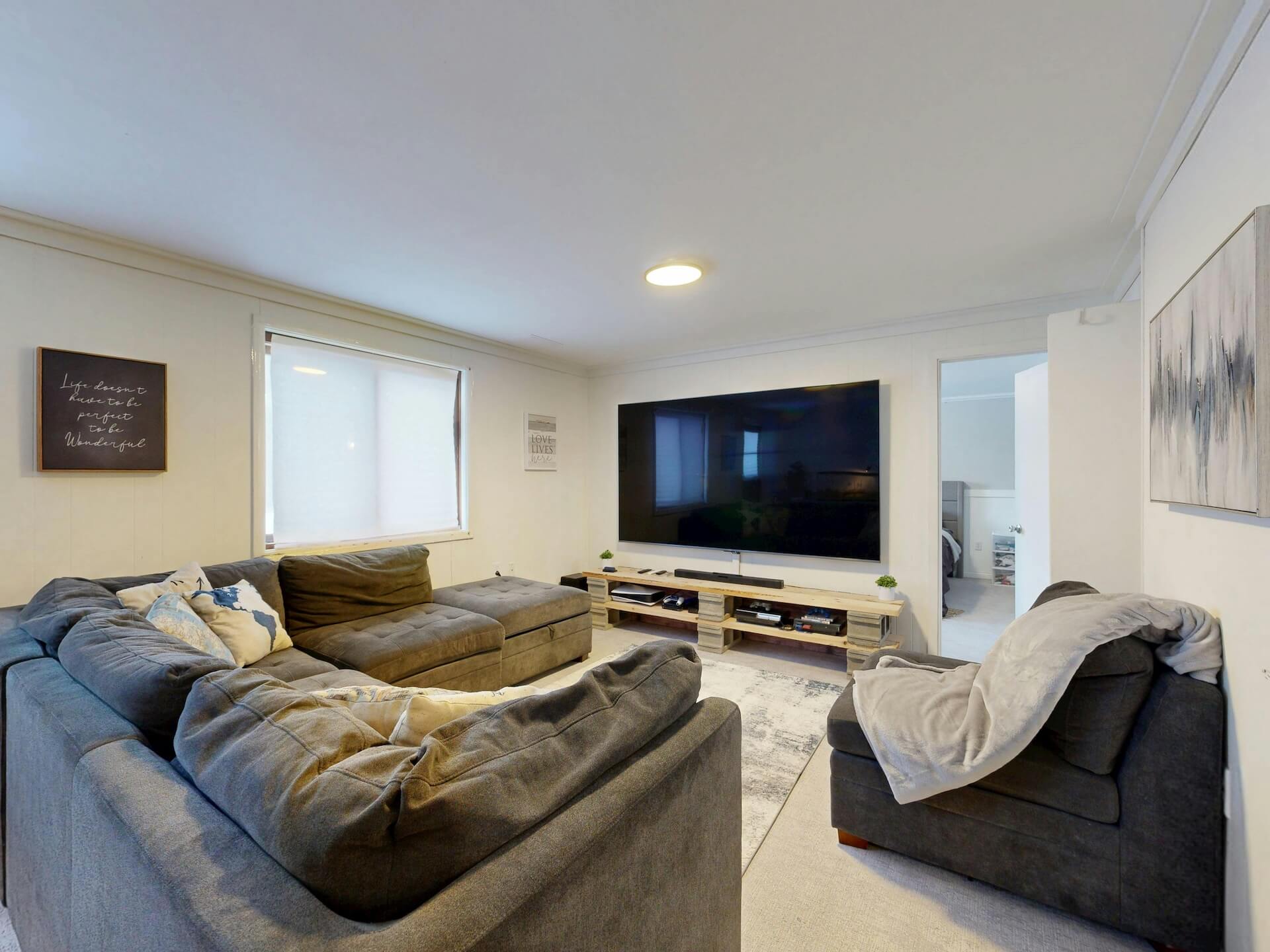
7 Best Modular Entertainment Center Systems for Storage
Upgrade your living space with our top 7 modular entertainment centers. Discover flexible, stylish storage solutions designed to organize your media gear easily.
Finding the right entertainment center is about more than just holding a television; it is about reclaiming your living room from the chaos of daily life. These seven modular systems offer the flexibility to grow alongside your family while keeping your most-used items accessible yet organized. By choosing a modular approach, you can tailor your storage to fit your unique floor plan and lifestyle needs perfectly.
IKEA Besta: The Ultimate Modular Customization


If you live in a small apartment or a home with an awkward layout, the IKEA Besta is often the first place to look. It is essentially a giant Lego set for adults, allowing you to mix and match frames, doors, and drawers to fit exactly into your available wall space.
The primary trade-off here is the assembly time and the material quality. While the particleboard construction is durable enough for most households, it requires careful handling during the build to ensure the hinges align perfectly.
For the price, you simply cannot beat the sheer number of configuration options. Bottom line: Choose Besta if you want maximum utility and customization on a strict budget.
Pottery Barn Sausalito: Modern Rustic Storage

When you want your media console to feel like a piece of heirloom furniture rather than a utility box, the Sausalito line is a top contender. Its warm, weathered wood finish brings a grounded, cozy aesthetic to family rooms that need to feel inviting rather than clinical.
These units are significantly heavier and more robust than flat-pack alternatives, which makes them a great choice for homeowners who plan to stay in one place for a long time. However, the modularity is more limited compared to pure "grid" systems.
You are paying for the aesthetic and the solid construction, which means you have less flexibility to expand later. Bottom line: Invest in Sausalito if you prioritize warmth and durability over infinite modularity.
West Elm Mid-Century Media: Sleek Versatility

Mid-century modern design remains a favorite because it keeps rooms feeling open and airy, which is vital for smaller living areas. The West Elm media systems often feature tapered legs and clean lines that lift the unit off the floor, creating the illusion of more space.
These pieces are excellent for those who want a "curated" look without having to design a custom wall unit from scratch. The storage is usually a mix of open shelving for electronics and closed cabinets for hiding away gaming controllers or spare cables.
Keep in mind that the open-back designs, while stylish, require you to be very diligent about cable management. Bottom line: Opt for this style if you want a sophisticated, clutter-free look that emphasizes floor space.
Crate & Barrel Tate: Minimalist Modular Design
The Tate collection is designed for the homeowner who wants their storage to fade into the background. With its low-profile silhouette and seamless hardware, it is perfect for rooms where you don’t want the media console to be the focal point of the decor.
The modular components are highly functional, focusing on deep drawers that can hold everything from board games to extra blankets. It avoids the "office furniture" look that often plagues modular systems.
Because the design is so minimalist, it can be unforgiving if your household is prone to piling up clutter. Bottom line: Select the Tate if you value clean lines and high-quality finishes over complex, multi-tiered shelving.
Wayfair Mercury Row: Budget-Friendly Flexibility
Mercury Row is a fantastic option for renters or young families who need functional storage without a high price tag. These systems often come in versatile, neutral palettes that can adapt to different interior styles as your tastes evolve.
While the materials might not be as high-end as boutique brands, the designs are surprisingly clever, often incorporating hidden storage and adjustable shelving. They are easy to move if you relocate frequently.
Be sure to check the weight limits on the shelves, as these are generally designed for media components rather than heavy book collections. Bottom line: Mercury Row is the practical choice for renters who need a quick, stylish storage fix.
Ballard Designs Tuscan: Classic Modular Style
If your home leans toward a traditional or farmhouse aesthetic, the Tuscan modular system offers a built-in look without the cost of a carpenter. It uses a series of piers and bridges that allow you to frame your television in a way that feels intentional and permanent.
This is a heavy-duty option that works best in larger living rooms or dedicated media spaces. It provides an immense amount of storage, making it ideal for families who need to tuck away a large collection of DVDs, toys, or electronics.
Because of the scale, this system is a significant commitment. Bottom line: Choose the Tuscan system if you want the "built-in" look and have the wall space to support a large, permanent installation.
Room & Board Slim: Industrial Steel Precision
The Slim collection is a masterclass in efficiency, utilizing thin steel frames that are incredibly strong despite their delicate appearance. This is the ultimate choice for a modern, industrial-inspired home where you want to maximize storage without visual weight.
The steel construction is virtually indestructible compared to wood or particleboard. It is a fantastic long-term investment that will survive moves, kids, and pets with ease.
The trade-off is the price point, which is higher due to the materials and manufacturing quality. Bottom line: Invest in the Slim series if you want a "forever piece" that offers industrial-grade strength.
How to Measure Your Space for Modular Units
Before you buy, clear your wall and measure the width, height, and depth of the available area. Always account for baseboards, electrical outlets, and light switches that might interfere with flush-mounted units.
- Width: Ensure you leave at least 2–3 inches of "breathing room" on either side of the unit.
- Depth: Measure the clearance in front of the unit to ensure you have enough floor space for walking.
- Height: If you have low ceilings or pendant lights, check the vertical clearance to avoid a cramped look.
If you are placing a TV on the unit, remember that eye level while seated is the optimal height for the center of the screen. Bottom line: Measure twice, and then use painter’s tape on the floor to visualize the footprint before you hit "order."
Balancing Open Shelving With Closed Cabinets
A common mistake is choosing too much open shelving, which can quickly turn into a visual mess. Use open shelves for items you use daily or decorative pieces you love, and reserve closed cabinets for the "ugly" stuff like power strips and game controllers.
- Open Shelves: Use these for books, plants, or a few carefully curated art pieces.
- Closed Cabinets: These are essential for hiding cords, remote controls, and miscellaneous household clutter.
A good rule of thumb is a 70/30 split: 70% closed storage to keep the room feeling calm, and 30% open storage for personality. Bottom line: If you have kids or pets, lean toward more closed storage to keep small items out of reach.
Tips for Organizing Cables in Modular Systems
Cable management is the secret to making an inexpensive modular unit look like a custom installation. Use Velcro ties to bundle cords together behind the unit, and use adhesive clips to run them along the back edge of the shelving.
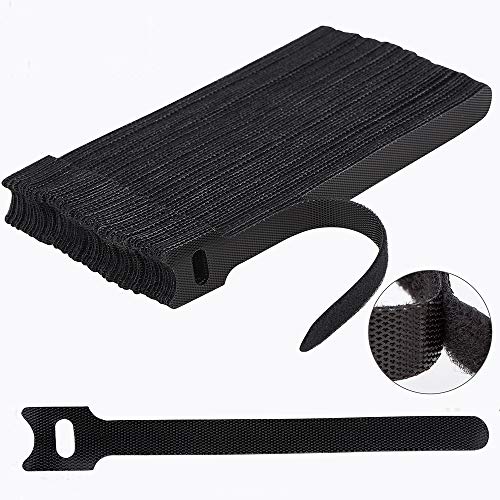
- Power Strips: Mount power strips to the back or underside of the console to keep them off the floor.
- Cable Sleeves: Use fabric or plastic sleeves to group multiple cords into one tidy line.
- Access: Ensure your modular unit has pre-drilled holes or removable back panels for easy access to plugs.
Don’t let a tangle of wires ruin the look of your new furniture. Bottom line: Spend an extra hour during setup to manage your cables; it makes cleaning easier and keeps the area looking professional.
Selecting a modular entertainment center is an investment in your home’s daily flow and organization. By focusing on your specific storage needs and the reality of your household, you can find a system that balances style with genuine utility. Remember that the best choice is the one that makes your daily routine simpler, not the one that looks the most like a magazine cover.
