

7 Best Lithium Batteries For Smoke Detectors That Last
Discover the 7 best lithium batteries for smoke detectors. Learn which reliable, long-lasting options ensure your home stays protected for years to come.
We have all experienced that sudden, piercing chirp in the middle of the night that signals a dying smoke detector battery. Choosing the right power source is a small but vital investment in your family’s safety and your own peace of mind. By switching to lithium, you can move away from the frustration of frequent replacements and ensure your home stays protected for the long haul.
Energizer Ultimate Lithium 9V: Best Overall Pick


If you are tired of climbing onto a step stool every six months to swap out batteries, this is the industry standard for a reason. These batteries are designed to last up to ten years in many smoke detectors, making them a "set it and forget it" solution for busy households.
They perform exceptionally well in high-drain devices, but their real strength is their sheer longevity in low-drain safety equipment. While the upfront cost is higher than standard alkaline packs, you save money by not having to replace them nearly as often.
The bottom line is that these are the most reliable choice for the average homeowner who wants to minimize maintenance. If you live in a multi-story house where reaching ceiling detectors is a chore, this is your best investment.
Duracell Ultra Lithium 9V: For Extreme Temps
Power your everyday devices with Duracell Coppertop 9V batteries. Enjoy dependable, long-lasting performance guaranteed for 5 years in storage.

Does your home have a garage, attic, or uninsulated basement where smoke detectors are installed? Standard batteries often struggle when temperatures fluctuate wildly, leading to premature failure or "false chirps" during cold snaps.
Duracell’s lithium chemistry is engineered to maintain a steady voltage even when the mercury drops or spikes. This makes them the ideal choice for outbuildings, sheds, or older homes with poor insulation where the environment isn’t climate-controlled.
While they are premium-priced, the reliability in harsh conditions is unmatched. Choose these if your detectors are located in challenging environments where standard batteries might give up the ghost early.
Ultralife U9VL-J-P: Best for Long-Term Value

You might recognize this brand from professional fire safety installations because it is the gold standard for long-life smoke alarms. These are specifically built to last up to a decade, matching the lifespan of the smoke detector units themselves.
For homeowners who want to synchronize their battery replacement schedule with the replacement of the alarm units, this is the most logical choice. It eliminates the guesswork of remembering which battery was installed when.
The trade-off is that they can be harder to find in local big-box stores compared to major consumer brands. If you are comfortable ordering online, the long-term value and reduced waste make this a smart, sustainable choice.
EBL 9V Lithium Battery: Best Rechargeable Option
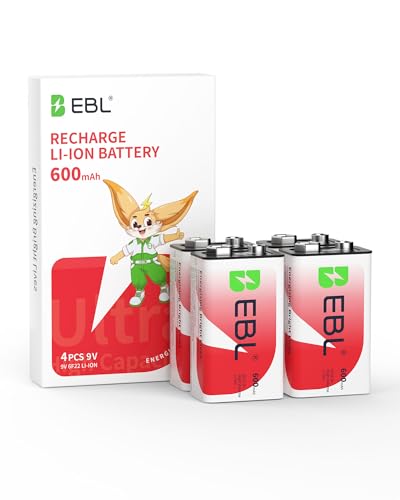
For those who live in apartments or smaller homes and are looking to reduce waste, rechargeable lithium batteries offer a different approach. While most fire safety experts recommend non-rechargeable batteries for primary smoke alarms, these are excellent for secondary devices.
If you have a high-traffic home where you frequently use 9V batteries for other household items, having a rechargeable set on hand is very convenient. You can rotate them out and keep a fresh one ready to go at all times.
Just remember that rechargeable batteries have a different discharge curve than primary cells. Use these for detectors only if you are disciplined about checking them every few months, as they may not provide the same ten-year "set and forget" benefit.
Tenergy 9V Lithium Battery: Best Bulk Choice

If you are managing a large house with multiple floors or a rental property with several units, buying batteries one by one is a logistical nightmare. Tenergy offers a reliable lithium option that allows you to purchase in larger quantities without breaking the bank.
These batteries offer a great balance between cost and performance, providing the longevity of lithium without the premium price tag of some big-name brands. They are perfect for landlords who need to outfit multiple properties at once.
Buying in bulk ensures that you always have a spare on hand when a detector starts chirping. It is a practical, thrifty approach for families who want to maintain high safety standards across a larger footprint.
Rayovac Fusion 9V: Best for Reliable Power

Sometimes you want a middle-ground option that is widely available and proven to be dependable. Rayovac Fusion batteries are known for their consistent energy output, making them a solid choice for standard home smoke detectors.
They are often more accessible in local hardware stores than specialized ten-year lithium cells. If you find yourself at the store and realize your detector is chirping, these are a reliable, high-performance alternative to standard alkaline.
They offer a nice boost in longevity over basic batteries without the steep price of specialized long-life cells. They are a great "everyday" choice for renters who move frequently and don’t need a decade of power.
GP Lithium 9V Battery: Best for Low Drain Use
GP batteries have a reputation for being workhorses in low-drain devices, which is exactly what a smoke detector is. Because a detector sits idle most of the time, it needs a battery that won’t leak or lose its charge over years of inactivity.
These batteries are excellent for those who want a simple, effective solution that won’t corrode inside the device. They are designed to hold their energy for an extended shelf life, which is critical for safety equipment.
If you prefer a straightforward, no-nonsense battery that gets the job done, look for these. They are a reliable choice for any household looking to ensure their detectors are powered correctly for the long haul.
Why Lithium Batteries Outperform Alkaline Types
The primary difference lies in the chemistry and the discharge rate. Alkaline batteries are prone to voltage drops over time, which can cause that annoying "low battery" chirp long before the battery is actually dead.
Lithium batteries, by contrast, maintain a high, steady voltage until they are almost entirely depleted. This means your smoke detector will provide a consistent, loud alarm signal throughout the entire life of the battery.
Furthermore, lithium batteries are much more resistant to temperature changes and have a significantly lower self-discharge rate. While alkaline is cheaper, lithium provides better protection by ensuring the device is always ready to sound the alarm.
How Often to Test Your Smoke Detector Sensors
Regardless of the battery type you choose, the battery is only one part of the equation. You should press the "test" button on your smoke detectors at least once a month to ensure the internal horn and sensor are functioning.
Even the best lithium battery cannot fix a dust-clogged sensor or a faulty internal circuit. Make it a habit to combine your battery check with a quick vacuuming of the detector vents to clear out dust and cobwebs.
If your detector is over ten years old, no amount of fresh battery power will make it safe. Always check the manufacture date on the back of the unit and replace the entire alarm if it has reached its expiration date.
Safety Tips for Proper Battery Replacement Cycle
When it is time to replace your batteries, never mix old and new batteries, or different brands, within the same unit. This can lead to uneven power levels and potential leakage, which could damage your detector.
Keep a spare battery in a cool, dry place, but avoid storing them in the same drawer as metal objects like keys or coins. Contact between the terminals and metal can cause a short circuit, which is a fire hazard.
Finally, always dispose of your used lithium batteries properly by taping the terminals with clear tape. Many local municipalities have specific drop-off locations for lithium batteries to ensure they are recycled safely rather than thrown in the trash.
Investing in high-quality lithium batteries is one of the simplest ways to ensure your home remains a safe sanctuary for your family. By choosing the right product for your specific home environment, you can stop worrying about chirping alarms and focus on what matters most. Remember that a battery is only part of the safety plan, so keep up with your monthly testing and stay vigilant about the age of your detectors.
