7 Best Photo-safe Archival Labels for Memory Boxes
Organize your memories safely with our top 7 archival labels. Discover acid-free, photo-safe options that protect your collection while keeping it organized.
Organizing a lifetime of memories can feel overwhelming, but the right archival labels ensure your photos stay protected for generations. Choosing the wrong adhesive can cause irreversible damage, so selecting materials specifically designed for long-term storage is essential. This guide will help you navigate the best archival-safe options to keep your family history organized and secure.
Archival Methods Acid-Free Adhesive Labels


When you are sorting through boxes of loose family prints in a small apartment, you need a solution that balances cost with reliability. Archival Methods offers high-quality, acid-free labels that are a staple for home archivists who want peace of mind without overspending. These labels are designed specifically for the delicate nature of photographic paper.
Because they are pH-neutral, they won’t yellow or become brittle over time, which is a common issue with standard office supply labels. They adhere well to cardboard memory boxes and plastic storage containers alike. You won’t have to worry about the adhesive bleeding through the label or reacting with the emulsion on your photos.
If you are a renter with limited storage space, these are a fantastic "set it and forget it" solution. They provide a professional look that makes finding a specific vacation or holiday box quick and easy. The bottom line: these are a reliable, mid-range choice for any household looking for safety and simplicity.
PrintFile Museum-Grade Self-Adhesive Labels
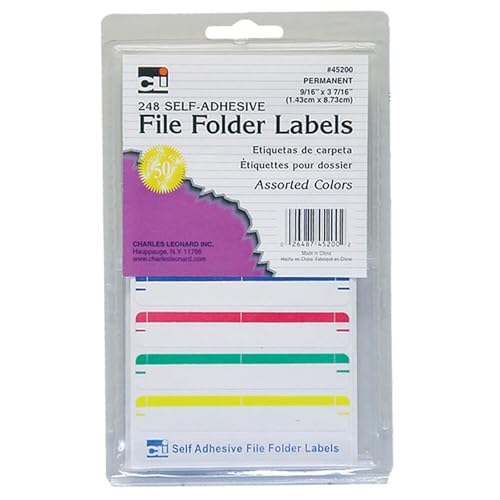
If you have invested in high-end photo sleeves or museum-grade storage boxes, you’ll want labels that match that level of preservation. PrintFile is a gold standard in the photography industry, and their labels are engineered to meet strict chemical stability standards. These are ideal for homeowners who are serious about long-term preservation.
The self-adhesive backing is designed to stick firmly to archival-grade plastics and papers without outgassing or chemical leaching. While they are slightly more expensive than generic options, the cost is negligible compared to the value of preserving irreplaceable family heirlooms. They are particularly useful for labeling individual sleeves or folders within a larger box.
For those with large collections, the consistency of these labels makes cataloging a breeze. You can trust that the adhesive will remain stable even in fluctuating attic or basement temperatures. Ultimately, these are the best choice if you want to mirror the standards used by professional archives in your own home.
Lineco Pressure-Sensitive Archival Labels
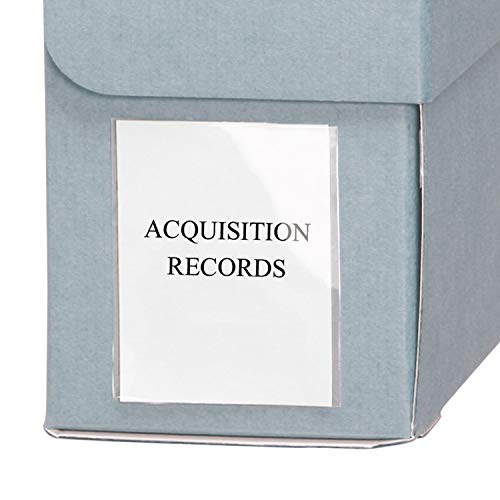
Lineco is a household name for a reason—they understand the chemistry of preservation better than almost anyone. Their pressure-sensitive labels are a favorite for DIY enthusiasts who need something that sticks firmly but remains removable if your organizational system changes. This flexibility is a huge plus for families who frequently update their memory boxes.
These labels feature an acrylic adhesive that is specifically formulated to be chemically inert. This means you can apply them to the outside of your photo boxes knowing that no acidic residue will migrate into your precious prints. They are also incredibly easy to write on with a permanent marker, which is great for quick labeling sessions.
Whether you live in a house with a dedicated basement storage area or a small condo, these labels offer a versatile, high-quality solution. They are widely available and consistently perform well under various environmental conditions. If you value ease of use and professional-grade safety, this is a top-tier contender.
Gaylord Archival Buffered Paper Labels

Buffered labels are a specific type of archival product that includes a small amount of calcium carbonate to neutralize acids in the environment. If you are storing your photos in cardboard boxes that might not be 100% acid-free, these labels provide an extra layer of defense. They are an excellent choice for older homes where storage environments might be less than ideal.
The paper stock is sturdy and provides a clean, matte surface that is easy to read. Because they are buffered, they help maintain a stable pH balance around the label area, which is a smart proactive step for long-term storage. They are particularly well-suited for labeling the exterior of heavy-duty archival storage boxes.
While they may require a separate archival-safe adhesive or a moistenable backing depending on the specific product line, they are worth the extra effort for the protection they offer. They are the "heavy lifter" of the archival world. If you are worried about humidity or older storage containers, these are your best line of defense.
University Products Acid-Free Paper Labels

University Products is a go-to source for museums and libraries, so their consumer-facing labels are built with serious durability in mind. These labels are made from high-quality, acid-free bond paper that won’t tear or fade over time. They are perfect for families who want a clean, classic look for their photo archives.
What sets these apart is the archival-quality adhesive that is designed to stay put for decades. You won’t find these peeling off the corners of your boxes after a few years in the closet. They are also resistant to moisture, which is a major benefit if you store your memories in a garage or basement.
They are available in various sizes, making them perfect for both small photo envelopes and large storage bins. While they are a bit more utilitarian in appearance, their performance is unmatched. For the homeowner who prioritizes function and longevity over aesthetics, these are an easy recommendation.
Avery Permanent Acid-Free Filing Labels

Many people reach for Avery labels because they are easy to find and compatible with home printers. If you prefer to print your labels rather than write them by hand, ensure you select their specific acid-free, archival-safe line. These are a great budget-friendly option for families who have a high volume of photos to organize.
The convenience of printing labels means your boxes will look uniform and professional. It also makes it much easier to include detailed information like dates, locations, and names. Just be sure to check the packaging carefully, as not all Avery labels are acid-free; always look for the "archival" or "acid-free" designation.
These are best for labeling the exterior of plastic bins or cardboard boxes kept in climate-controlled environments. They aren’t as specialized as museum-grade options, but for the average household, they hit the perfect balance of convenience and safety. If you are just starting your organization project, these are an accessible place to begin.
Frame Destination Archival Photo Labels
Frame Destination is well-known for high-quality framing supplies, and their archival labels are a natural extension of that expertise. These labels are designed to be low-profile and unobtrusive, making them perfect for labeling the back of framed photos or specific archival albums. They provide a clean, professional finish that won’t distract from the photos themselves.
They use a high-quality, acid-free adhesive that is gentle enough for delicate surfaces but strong enough to remain permanent. Because they are designed by people who care about framing and presentation, they are aesthetically pleasing and easy to work with. They also come in a variety of sizes to suit different storage needs.
If you are a homeowner who enjoys displaying photos as much as storing them, these labels are a great multipurpose tool. They offer the same level of protection as larger labels but in a more discreet format. For those who want their storage system to look as good as it functions, these are a fantastic choice.
Why Acid-Free Materials Protect Your Photos
Photos are surprisingly sensitive items that react chemically to their environment. Standard labels made from cheap paper or office-grade adhesives contain acids that can migrate into your photos, causing yellowing, brittleness, and fading. By choosing acid-free materials, you are creating a chemical barrier that stops this degradation process in its tracks.
- Prevents Migration: Acidic adhesives can seep through paper and plastic, permanently staining your photos.
- Maintains Integrity: Acid-free materials do not break down over time, ensuring your labels stay legible for decades.
- Environmental Stability: Archival materials are designed to withstand changes in temperature and humidity better than standard office supplies.
Think of acid-free labels as a protective shield for your memories. Even if you have the best storage box in the world, an acidic label can still cause localized damage to the items it touches. Investing in the right materials is a small price to pay for the long-term safety of your family history.
Proper Label Placement for Memory Boxes
Where you place your label is just as important as the label itself. Avoid placing labels directly onto the surface of a photograph or inside a photo sleeve. Instead, apply them to the exterior of the container or on a separate archival-safe index card inside the box.
- Exterior Labels: Best for quick identification without opening the box, which reduces light and dust exposure.
- Interior Indexing: Use this for detailed notes or dates so you don’t have to handle the photos to know what is inside.
- Avoid Over-Labeling: Keep labels away from the edges or hinges of boxes where they might peel or snag.
Always ensure the surface is clean and dry before applying any adhesive. If you are using plastic bins, wipe the area with a dry cloth to remove dust so the label adheres properly. Taking these small steps will ensure your labeling system lasts as long as the memories inside the box.
Essential Tips for Long-Term Photo Storage
Beyond labels, the environment where you store your photos is the biggest factor in their survival. Always aim for a cool, dry, and dark location—avoid attics and basements where temperatures fluctuate and humidity levels can spike. A closet on an interior wall of your home is usually the safest place for a memory box.
- Avoid Plastic Bags: Never use standard household Ziploc bags, as the plastic can off-gas and damage photos over time.
- Use Dividers: Use acid-free dividers to separate different events or years within a single box to prevent photos from sticking together.
- Keep it Upright: If possible, store boxes on shelves rather than directly on the floor to protect against potential water leaks or pests.
Finally, remember that your organizational system should be simple enough that you will actually use it. Perfection is the enemy of progress, so don’t feel like you need to catalog every single print at once. Start with one box, use the right archival labels, and build your collection slowly.
Preserving your family’s history doesn’t require a professional archivist’s budget, just a commitment to using the right materials. By choosing acid-free labels and storing your photos in stable environments, you are ensuring that future generations can enjoy these moments as clearly as you do today. Start small, stay consistent, and enjoy the process of organizing your memories.