

7 Best Stainless Steel Putty Knives For Rust Prevention
Discover the 7 best stainless steel putty knives built to resist rust. Learn how material quality and design ensure durability for your toughest home projects.
We have all been there—reaching into the toolbox only to find a rusted, pitted putty knife that leaves brown streaks across a fresh patch of drywall. Investing in high-quality stainless steel tools transforms these minor home repairs from frustrating chores into satisfying, professional-looking tasks. Choosing the right blade ensures your tools stay clean, effective, and ready for action for years to come.
Hyde Tools 2-Inch Stainless Steel Putty Knife


When you are tackling small nail holes or minor dings in a hallway, a massive blade just gets in the way. The Hyde Tools 2-inch knife is the perfect size for tight spaces, such as corners behind a door or around window trim in a small apartment. Its compact design allows for precise application without spreading compound where it doesn’t belong.
Because it is made from high-grade stainless steel, this tool resists the moisture often found in bathroom or kitchen repair environments. You won’t have to worry about the blade pitting after coming into contact with water-based spackle. It is an affordable, "buy-it-once" staple for any basic household junk drawer.
If you are a renter performing a quick move-out repair, this size is your best friend. It is small enough to tuck into a kitchen drawer yet durable enough to handle a weekend project. Just remember that its small surface area means it isn’t meant for large-scale skimming or taping.
Warner Tool 4-Inch Pro-Flex Stainless Steel Blade

The Warner Pro-Flex is a favorite for those who need a balance between rigidity and flexibility. If you are patching a medium-sized hole in the living room, the "flex" allows the blade to contour slightly to the wall, resulting in a feather-smooth finish that requires less sanding later. It is a great middle-ground tool for homeowners who don’t want to buy an entire set.
The 4-inch width is versatile enough for both patching and scraping away old, loose paint. Because it is stainless, you can leave it in your garage workbench without the constant fear of humidity turning your edge into a rust-covered mess. It provides a professional feel without the steep price tag of industrial-grade tools.
While it is excellent for most repairs, keep in mind that "flex" blades can be harder for beginners to control than stiff ones. If you are new to drywall work, take it slow and apply light pressure. This is a reliable, high-value choice for anyone looking to upgrade their basic kit.
Purdy Premium 1.5-Inch Stiff Stainless Steel Tool

Sometimes you need a tool that acts more like a chisel than a spreader. The Purdy 1.5-inch stiff blade is designed for scraping away stubborn, dried-on debris or opening up cracks before you fill them. It is incredibly robust, making it ideal for the "prep" phase of a project rather than the "finishing" phase.
Because the blade is stiff, it won’t bend or snap when you apply significant force to scrape a window sill or a door frame. The stainless steel construction is particularly important here, as you are likely dealing with old, damp, or decaying surfaces that would quickly corrode a standard carbon steel blade. It is a rugged tool built for heavy-duty cleanup.
If you are a homeowner dealing with older properties, this tool is essential for uncovering what lies beneath old paint layers. It is small, easy to store in a tool belt, and built to survive years of abuse. Do not use this for spreading compound, as its rigidity will leave visible ridges.
Wooster Sherlock 3-Inch Stainless Steel Scraper

The Wooster Sherlock line is known for its ergonomic comfort, which matters if you have a long afternoon of scraping ahead of you. The 3-inch width is a "Goldilocks" size—wide enough to clear a decent path, but narrow enough to navigate around light switches or corner beads. It feels substantial in the hand, giving you better control over your work.
Stainless steel construction ensures that even if you are scraping through damp plaster or old wallpaper adhesive, the blade remains smooth and rust-free. A clean, smooth blade is the secret to a clean finish; a rusted blade will catch on your materials and tear them. This tool is a smart investment for those who value comfort as much as performance.
This scraper is particularly good for families who do occasional DIY projects together. The handle is easy to grip, even for those who might not have a professional’s grip strength. It is a solid, mid-range choice that bridges the gap between casual home use and professional reliability.
Anvil 6-Inch Joint Knife With Stainless Finish
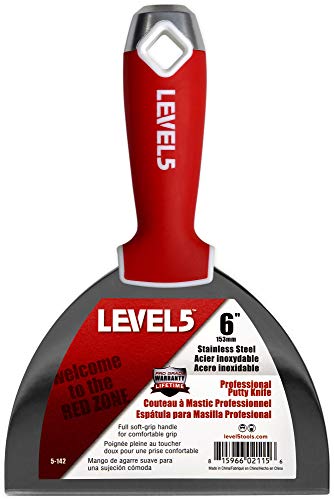
When you move up to a 6-inch blade, you are entering the world of drywall taping and feathering. The Anvil 6-inch joint knife is a budget-friendly option that doesn’t sacrifice the rust-resistant benefits of stainless steel. It is perfect for the homeowner who has a large patch to blend into an existing wall.
Because it is wider, it allows you to span a larger area, which is crucial for making a repair "disappear" into the wall texture. The stainless finish means that even if you leave it in the garage for a few months between projects, it will be ready to go when you need it. It is a practical choice for those who value utility over brand prestige.
Be aware that wider blades are more prone to bending if stored improperly. Always hang this tool by its handle or lay it flat on a shelf to prevent the blade from warping. It is a workhorse tool that proves you don’t need to spend a fortune to get a clean, professional result.
Goldblatt Stainless Steel 4-Inch Taping Knife

The Goldblatt 4-inch taping knife is designed for those who want a high-quality finish without the weight of an industrial tool. The blade is ground to a specific taper, which helps you achieve that elusive "feathered edge" where the new patch meets the old wall. It is a favorite among homeowners who take pride in the final look of their walls.
The stainless steel used here is highly resistant to the chemicals found in modern joint compounds, which can sometimes be acidic and cause lower-quality metals to corrode. By maintaining a clean edge, the Goldblatt helps you avoid the dreaded "drag marks" that ruin a smooth finish. It is a precision instrument that rewards careful use.
If you are doing a room-by-room renovation, this tool is worth the slightly higher price point. It balances durability with a refined edge that makes your work look like it was done by a pro. Treat this one with care, and it will serve you through many home projects.
Marshalltown 5-Inch Stainless Steel Putty Knife
Marshalltown is a standard name in the trades, and their 5-inch stainless putty knife is built to last a lifetime. This is a heavy-duty tool that feels solid and balanced in your hand. It is ideal for someone who is tackling a significant project, like resurfacing a wall or scraping multiple rooms of old wallpaper.
The stainless steel is thicker and more resistant to bending than cheaper alternatives, providing a consistent feel regardless of the pressure applied. While it is a larger tool, the ergonomics are designed to reduce hand fatigue during long sessions. It is an excellent choice for the serious DIYer who wants to build a professional-grade kit.
While it is a premium investment, the longevity of a Marshalltown tool makes it economical over time. You won’t be replacing this every two years because of rust or a bent blade. It is the perfect choice for homeowners who want to ensure their tools are as reliable as their craftsmanship.
How to Identify High-Quality Stainless Steel Tools
Not all stainless steel is created equal, and knowing what to look for can save you from buying "disposable" tools. Look for a blade that has a uniform finish and no visible seams or rough edges where the metal meets the handle. High-quality tools usually have a "full tang" construction, meaning the metal blade extends deep into the handle for better stability.
- Check for flexibility: A good blade should spring back to its original shape instantly when bent slightly.
- Inspect the edge: It should be ground perfectly straight and smooth, with no nicks or burrs.
- Look for markings: Reputable brands often stamp "Stainless" or "Rust-Resistant" on the blade itself.
Avoid tools that feel overly light or "tinny," as these are often made from thin, low-grade alloys that will warp under pressure. A quality stainless tool should have a bit of weight and a solid, reassuring feel in your hand. If the handle feels loose or the metal looks dull, it is likely a sign of poor manufacturing.
Proper Maintenance to Prevent Rust and Corrosion
Even the best stainless steel can develop surface oxidation if it is neglected, especially in humid environments like a basement or an unheated garage. The most important rule is to never store your tools while they are damp or coated in joint compound. Always wipe them down thoroughly with a clean, dry rag immediately after use.
For long-term storage, a light coating of mineral oil can act as a protective barrier against moisture. If you live in a coastal area with salty air, this step is especially critical to keep your tools in top condition. Store your knives in a dry, climate-controlled space rather than directly on a concrete floor, which can draw moisture upward.
- Clean immediately: Don’t let drywall mud harden on the blade, as the chemicals can etch the surface over time.
- Avoid harsh abrasives: Use a soft scouring pad if you need to remove dried material, rather than a steel wool pad which can leave metal particles behind.
- Check for damage: Regularly inspect your blades for nicks; a damaged edge will always be the first place rust starts to form.
Essential Tips for Cleaning Your Putty Knives
Cleaning your putty knife is the single most effective way to extend its lifespan. After a job, use a damp cloth to remove all traces of compound, then follow up with a dry cloth to ensure no moisture remains in the crevices near the handle. If you have stubborn, dried-on material, soak the blade in warm water for a few minutes, but never leave the handle submerged for long.
If you are working with oil-based products or adhesives, you may need a mild solvent to clean the blade effectively. Always ensure the solvent is compatible with the handle material so you don’t melt or degrade the grip. Once clean, always hang the tool or store it vertically so that any residual moisture can evaporate away from the handle.
By treating your tools as precision instruments rather than just hardware, you ensure they stay sharp and rust-free for years. A clean tool is a safe tool, and it makes your next home repair project much more enjoyable. Remember, a little bit of care today prevents the need to buy a replacement tomorrow.
Building a reliable collection of stainless steel putty knives is a smart way to simplify your home maintenance routine. By choosing quality tools and keeping them clean, you ensure that every repair is smooth, professional, and free from the annoyance of rust. Invest in these essentials, and you will be ready for whatever project your home throws your way.
