
7 Best Extension Cords With Reinforced Strain Relief
Protect your gear with our top 7 picks for reinforced strain relief extension cords. Discover durable, safe, and reliable options for all your power needs.
We have all dealt with the frustration of a cord that stops working right when we need it most, usually due to a frayed connection at the plug. Investing in a high-quality extension cord with reinforced strain relief isn’t just about convenience; it’s about protecting your appliances and your home’s electrical safety. This guide will help you navigate the sea of options to find a reliable cord that fits your specific daily needs.
Iron Forge Cable 16/3 SJTW for Indoor/Outdoor Use
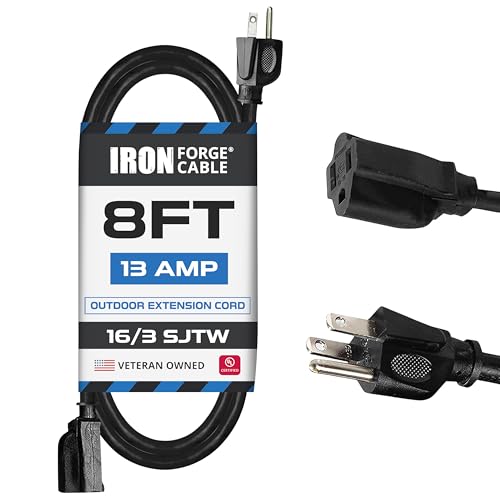

If you are a renter or a homeowner who needs a reliable, do-it-all cord for light-duty tasks, this is often the first place to look. It is versatile enough to power a string of patio lights or a small power tool in the garage without being overly bulky.
The reinforced strain relief on the plug ends is designed to withstand the daily tugging that happens when you move from outlet to outlet. It strikes a great balance between flexibility and durability, making it easy to coil up and store in a small closet or a utility drawer.
While it isn’t meant for heavy-duty construction equipment, it is a workhorse for everyday household maintenance. If you want a dependable, affordable option that won’t clutter your storage space, this is a solid choice.
Amazon Basics 16-Gauge Extension Cord for Home

For those who need a simple solution for indoor electronics or holiday decorations, this cord is a straightforward, budget-friendly pick. It is lightweight, which makes it perfect for apartment dwellers who don’t have the space to store heavy-duty, thick-gauge cabling.
The strain relief is basic but effective for low-draw items like lamps, fans, or home office equipment. Because it is thinner than contractor-grade cords, it is much easier to snake behind furniture or under area rugs without creating a tripping hazard.
Keep in mind that this is strictly for lighter loads; avoid using it for high-amperage appliances like space heaters. It is the ideal "keep-it-in-the-junk-drawer" cord for when you just need a little extra reach.
Clear Max 12-Gauge Heavy Duty Contractor Cord
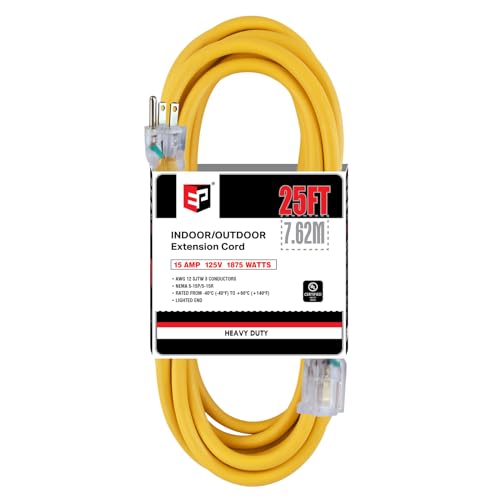
When you are tackling larger home projects, like using a table saw or a high-powered leaf blower, you need a cord that can handle the current draw. This 12-gauge cord is built with a thicker copper wire, which prevents the cord from heating up during extended use.
The reinforced strain relief here is robust, designed to keep the internal wires from pulling away from the plug even if the cord is dragged across a rough driveway or patio. It is heavier and stiffer than the 16-gauge options, so it requires a bit more effort to coil and store.
If you have a dedicated workshop or a large yard, this cord is a smart investment. It is a "buy it once" type of product that will likely outlast lighter-duty alternatives in your garage.
Yellow Jacket 2883 12/3 SJTW Contractor Grade

The Yellow Jacket is a favorite among those who prioritize visibility and safety on a job site or a busy backyard. Its bright color makes it nearly impossible to trip over, which is a major advantage if you have kids or pets running around while you are working.
Beyond the color, the strain relief is exceptionally well-engineered to handle the tension of being pulled around corners or over debris. It features a heavy-duty jacket that resists oil, grease, and moisture, making it truly reliable for outdoor environments.
It is definitely on the pricier side, but the durability is unmatched for heavy, frequent use. If you find yourself using power tools or outdoor equipment several times a month, the peace of mind is worth the extra cost.
Coleman Cable 02689 Extreme Rubber Cord Set

If you live in a region with extreme temperature swings, you know that standard plastic cords can become brittle and crack in the cold. This rubber-jacketed cord is designed to stay flexible even in freezing weather, which is a game-changer for winter chores.
The strain relief is integrated into a heavy-duty rubber molded plug that provides a secure, lasting connection. It feels substantial in your hand and is clearly built to withstand the rigors of professional-grade work.
Because it is made of rubber, it is heavier than vinyl cords and can be a bit more difficult to manage in small spaces. However, if you need a cord that won’t fail when the temperature drops, this is the gold standard for durability.
Woods 2468 12/3 100-Foot Heavy Duty Extension

When you need to reach the far corners of a large yard or a basement, a 100-foot cord is indispensable. The challenge with long cords is voltage drop, but the 12-gauge construction of this model helps maintain consistent power for your tools over that long distance.
The strain relief on this model is reinforced to handle the sheer weight of the cord itself, which is significant. You will want to use a cord reel or a dedicated hook for storage, as a 100-foot heavy-duty cord is not something you want to leave in a tangled pile.
This is a specialized tool for specific needs, such as landscaping or large-scale renovations. If you only have a small space, you might find this to be overkill, but for a large property, it is an essential piece of equipment.
Southwire 2555SW0002 14/3 Contractor Grade Cord
This cord sits in the "sweet spot" for many homeowners who need more power than a 16-gauge cord offers, but don’t want the bulk of a 12-gauge cable. It is a perfect middle-ground for general home improvement projects and occasional outdoor use.
The reinforced strain relief is designed for longevity, preventing the common fraying that occurs at the stress points near the plug. It is flexible enough to coil easily, yet tough enough to handle being stepped on or dragged across a concrete floor.
If you are looking for a reliable, all-purpose cord that won’t break the bank, this is a fantastic choice. It is a versatile tool that will serve you well for years, whether you are in a house or a large apartment.
Understanding Gauge and Amperage Requirements
The "gauge" of a cord refers to the thickness of the copper wire inside; lower numbers mean thicker wire, which can carry more electricity. A 16-gauge cord is fine for lamps and chargers, but a 12-gauge cord is necessary for power tools and heaters.
Using a cord that is too thin for the appliance you are powering can lead to overheating and, in extreme cases, fire hazards. Always check the wattage or amperage rating on your appliance and match it to a cord that can handle the load.
- 16-Gauge: Best for light-duty indoor use, fans, and small electronics.
- 14-Gauge: Great for general yard work and standard power tools.
- 12-Gauge: Essential for high-draw equipment like saws, sanders, and space heaters.
Why Reinforced Strain Relief Prevents Cord Fraying
Strain relief is the protective sleeve or molded material at the base of the plug where the cord meets the connector. Its job is to distribute the pressure of bending and pulling so that the internal copper wires don’t break or pull loose.
Without this reinforcement, the cord will eventually fray right at the plug, exposing the inner wiring and creating a shock or fire hazard. A quality reinforced strain relief acts as a shock absorber, ensuring that the cord stays intact even when it is yanked or bent at sharp angles.
When shopping, look for molded strain reliefs that feel firm and substantial. A flimsy, thin piece of plastic at the connection point is a red flag that the cord may not hold up to long-term use.
Safety Tips for Managing Outdoor Extension Cords
Always inspect your cords for cuts, nicks, or exposed wires before every use, especially after they have been stored for a while. If you see damage, it is safer to replace the cord than to try and tape it up, as electrical tape is not a permanent fix.
When storing, avoid wrapping the cord tightly around your elbow, as this can twist the internal wires and cause damage over time. Instead, use a loose "over-under" coil or a dedicated cord reel to keep the cable in good shape.
- Keep dry: Even "outdoor" cords should be kept out of standing water.
- Unplug when finished: Never leave an unused cord plugged into an outlet.
- Avoid heat: Keep cords away from hot surfaces like grills or exhaust pipes.
Selecting the right extension cord is about matching the tool to the task and prioritizing safety over a quick bargain. By choosing a cord with proper gauge and durable strain relief, you ensure that your home projects run smoothly and safely. Keep these tips in mind, and you will have reliable power whenever and wherever you need it.