
7 Best Small Bookends For Paperback Novels To Organize
Keep your paperbacks tidy with these 7 top-rated, compact bookends. Discover space-saving designs perfect for organizing small shelves without extra bulk.
Keeping your paperback collection upright shouldn’t feel like a constant battle against gravity and clutter. A well-chosen set of bookends transforms a messy shelf into a curated display that actually functions for your daily reading habits. Here are seven reliable options to help you organize your home library with ease and efficiency.
Bookends Co. L-Shaped Steel for Slim Shelving


If you live in an apartment with narrow floating shelves or shallow built-ins, finding support that doesn’t hang off the edge is a common headache. These L-shaped steel bookends are designed specifically for those tight spots where every inch of surface area counts. Because they are thin, they tuck almost invisibly behind the first book, keeping your paperbacks upright without taking up extra shelf space.
The steel construction is surprisingly sturdy for how slim it feels. While they lack the decorative flair of heavier ornamental pieces, they excel in utility and reliability. They are a perfect choice for renters who need to maximize storage in small, high-density shelving units.
Keep in mind that these work best when you have a decent row of books to provide weight. If you are only holding up two or three paperbacks, the thin steel might slide slightly under pressure.
Creative QT Metal Ends for Minimalist Decor

Sometimes you want your books to be the stars of the show, and your bookends should simply disappear into the background. Creative QT offers a clean, powder-coated finish that looks intentional rather than purely utilitarian. These are excellent for home offices where you want to maintain a professional, clutter-free aesthetic.
The minimalist design is forgiving in almost any interior style, from mid-century modern to industrial. Because they are made of metal, they are durable enough to survive a move or a busy household with children. They won’t chip like painted wood or crack like cheap plastic, making them a one-time purchase for your library.
The main tradeoff here is the lack of a non-slip base on some models, which might require you to add your own adhesive felt pads. It’s a small, inexpensive modification that makes these a top-tier choice for most homeowners.
Amazon Basics Heavy-Duty Steel Book Support
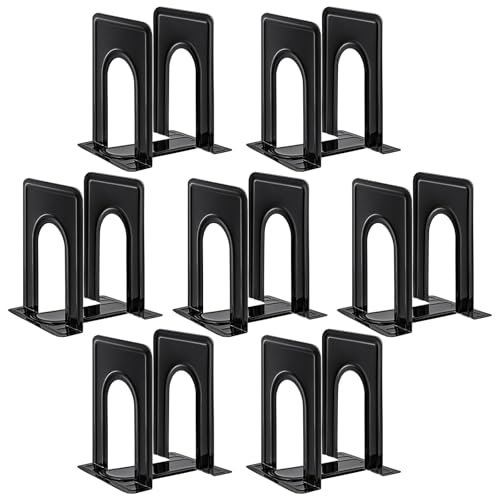
There is a misconception that "basic" means "low quality," but in the world of organizational hardware, that isn’t always the case. These heavy-duty steel supports are the workhorses of the bookend world. If you have a long shelf of paperbacks that you access daily, these provide the structural integrity you need to keep them from leaning.
They are incredibly cost-effective, allowing you to outfit an entire wall of shelving without breaking your budget. For families with kids or shared living spaces where shelves get heavy use, the durability of this steel is unmatched. They don’t bend, and the neutral finish blends into almost any decor.
Don’t expect them to be a design centerpiece, but do expect them to work perfectly for years. They are the ultimate "set it and forget it" solution for busy households.
V-Resourcing Decorative Non-Skid Book Ends
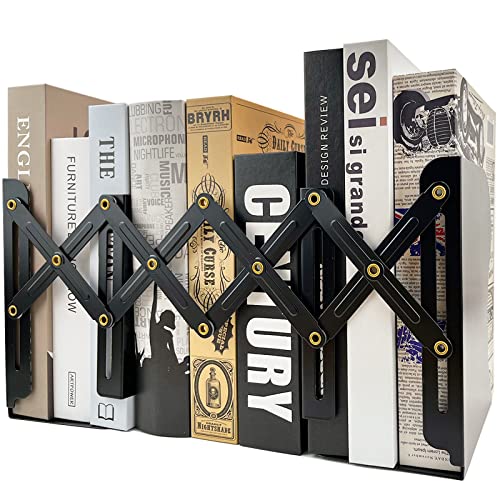
When you have a shelf in a high-traffic area like a living room or entry hallway, you want bookends that won’t slide around every time someone bumps the shelf. V-Resourcing models often feature rubberized or foam-padded bottoms that provide excellent grip on smooth surfaces like laminate or glass. This prevents the annoying "book cascade" that happens when the support shifts.
These are particularly useful for households with pets or active children who might accidentally nudge your shelves. The added grip provides peace of mind, ensuring your paperbacks stay neatly aligned without constant readjustment. They are a practical investment for anyone who prioritizes stability over pure minimalism.
While they are slightly bulkier than L-shaped steel, the trade-off in stability is usually worth it. Always check the base material to ensure it won’t leave residue on your specific shelf finish.
Enclume Hand-Forged Iron for Classic Appeal
If you own a home with traditional architecture or you simply appreciate a more tactile, historic feel, hand-forged iron is a wonderful choice. These bookends bring a sense of weight and permanence to a shelf that mass-produced items simply cannot replicate. They are sturdy enough to anchor larger paperback collections or even small hardcovers.
Because they are heavy, they don’t rely on thin metal tabs to stay in place. This makes them ideal for shelves where you might want to move the bookends frequently as your collection grows or shrinks. They feel substantial in the hand and look better as they age.
They are generally more expensive than steel alternatives, so consider them an investment piece rather than a disposable tool. They are best suited for homeowners who plan to stay in their space for a long time.
J JACKCUBE DESIGN Wood and Metal Bookends

Combining the warmth of wood with the strength of metal is a smart way to bridge the gap between aesthetics and function. These bookends are perfect for shelves that already feature wood tones, as they tie the display together visually. The metal component provides the necessary tension, while the wood base adds a touch of natural texture.
These are excellent for bedrooms or cozy reading nooks where you want the organizational elements to feel like part of the furniture. They offer a more "finished" look than plain steel, which can make a small shelf feel more curated and intentional.
Be mindful of the wood finish; if you live in a very humid climate, ensure the wood is sealed properly to prevent warping. They are a beautiful middle-ground option for those who want style without sacrificing practicality.
Globeland Geometric Metal Support for Paperbacks
Geometric designs are a fantastic way to add a modern, architectural element to a shelf of paperbacks. These are often cut from a single piece of metal, which makes them surprisingly strong despite their intricate, open-air appearance. They serve as a conversation starter while effectively keeping your books upright.
These are ideal for open-concept shelving where the bookends are visible from multiple angles. Because they are lightweight but rigid, they work well for paperbacks that don’t require massive, heavy-duty anchors. They are a great way to inject personality into a room without adding clutter.
Ensure the edges are smooth before placing them near delicate book covers to avoid scuffing. They are a fun, stylish choice for anyone looking to step away from traditional, utilitarian designs.
How to Measure Shelf Depth for Your Bookends
Before you buy, take a moment to measure the actual usable depth of your shelf. Many people make the mistake of measuring the entire shelf surface, but you must account for the thickness of the bookends themselves. If your shelves are shallow, avoid decorative bookends with thick, protruding bases that will push your books past the edge.
- Measure from the back wall to the front lip of the shelf.
- Subtract at least half an inch to ensure the bookend sits flush against the back.
- Check if your shelf has a front lip or molding that might interfere with the base of the bookend.
Always prioritize a flush fit, as a bookend that hangs off the front is a safety hazard and an eyesore. A little bit of measuring now saves you from the frustration of returning items that don’t fit your unique space.
Choosing Between Weighted and Non-Slip Bases
The choice between a weighted bookend and a non-slip base usually comes down to your shelf surface. If you have glass or polished wood shelves, a non-slip, rubberized base is essential to prevent sliding. On the other hand, if you have heavy, textured shelves, a weighted base is often more effective at maintaining position.
Weighted bases use mass to fight the horizontal force of leaning books, which is ideal for large collections. Non-slip bases use friction to anchor the bookend, which is better for smaller, lighter rows of paperbacks. Consider your specific shelf material and how often you pull books off the shelf before deciding.
Don’t be afraid to use both; many homeowners add a thin piece of shelf liner under their weighted bookends for extra stability. This simple hack provides the best of both worlds.
Maintaining Your Bookends for Long-Term Use
Bookends are low-maintenance items, but they do require occasional attention to keep your shelves looking sharp. Metal bookends should be wiped down with a microfiber cloth to prevent dust buildup, especially if they have intricate cutouts. If you notice a non-slip pad losing its grip, a quick wipe with a damp cloth will often restore its effectiveness.
Avoid using harsh chemicals on painted or powder-coated metal, as these can lead to peeling or discoloration over time. If you have iron bookends, keep them away from direct moisture to prevent oxidation. A light dusting once a month is usually all that is required to keep them in top shape.
Ultimately, treat your bookends as part of your furniture ecosystem. A well-maintained set will last for decades, providing a stable foundation for your ever-changing paperback collection.
Organizing your paperbacks is a small effort that pays off in daily convenience and peace of mind. By choosing the right supports for your specific shelf depth and household needs, you can turn a chaotic stack into a functional, beautiful display. Remember that the best bookend is the one that stays put and lets you focus on your next great read.
