

7 Best Ergonomic Handle Paint Trays for Reduced Strain
Discover the 7 best ergonomic paint trays designed to minimize wrist strain and boost comfort. Learn how these features improve your next DIY painting project.
Painting a room shouldn’t leave your hands and wrists aching for days after the job is finished. Choosing the right paint tray is a simple, often overlooked way to make your home improvement projects significantly more comfortable and efficient. These seven ergonomic picks focus on reducing physical strain so you can focus on the finish rather than the fatigue.
Wooster Sherlock Wide Boy: Best for Heavy Lifting
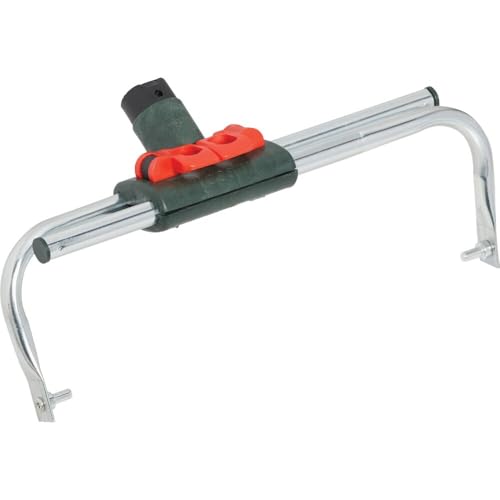

When you are tackling a full living room renovation or painting multiple bedrooms, the weight of a full tray can quickly lead to forearm strain. The Wooster Sherlock Wide Boy is designed specifically for those larger projects where you don’t want to stop and refill every few minutes. Its sturdy, wide-base construction prevents tipping, which is a common source of frustration and awkward reaching for homeowners.
The handle design on this model is integrated into the frame, providing a stable point of leverage when you need to move a heavy, paint-filled tray across a drop cloth. Because it holds a larger volume of paint, you spend less time bending over to pour, which saves your back as much as your wrists. It is a professional-grade tool that pays for itself in sheer durability.
If you are a homeowner planning a whole-house refresh, this tray is an investment worth making. While it takes up more storage space in a garage or closet than a standard plastic tray, the stability it offers is unmatched. Bottom line: It’s the heavy-duty workhorse you want when the project scale is large.
Purdy Jumbo Mini Tray: Top Choice for Precision

If you are working in a tight apartment bathroom or focusing on detailed trim work, a massive tray just gets in the way. The Purdy Jumbo Mini Tray is the perfect size for smaller rollers, allowing you to keep your supplies close at hand without needing a sprawling workspace. Its compact footprint means you can easily move it around on a step ladder or a small shelf.
The ergonomic advantage here lies in the reduced reach required to load your roller. Because the tray is smaller and more manageable, you aren’t forced to stretch or twist your body to access the paint. This helps maintain a neutral posture, which is essential for preventing repetitive strain during long painting sessions.
This tray is ideal for renters who might be working in cramped quarters where every square inch of floor space counts. It is easy to clean and store, making it a practical choice for occasional touch-ups. Bottom line: Use this when precision and space-saving are your top priorities.
Hyde Tools Pro-Shot Tray: Best Grip Ergonomics

Sometimes the most overlooked part of a tray is the actual handle you grab to move it. The Hyde Tools Pro-Shot Tray features a molded grip that is designed to fit naturally in the hand, reducing the pressure points that typically cause cramping. It feels more like a tool handle than a piece of molded plastic, which makes a noticeable difference after an hour of work.
The tray’s design also emphasizes balance, ensuring that even when it is loaded, the weight is distributed evenly. This prevents the tray from wanting to flip or slide when you pick it up, allowing for a more relaxed grip. You don’t have to squeeze as hard to maintain control, which is a major win for those with sensitive joints.
This is a great option for anyone who finds standard, thin plastic handles uncomfortable or difficult to hold securely. It bridges the gap between budget-friendly utility and thoughtful ergonomic design. Bottom line: It is the best choice if hand comfort is your number one concern.
Linzer Pro Extra Deep: Best for Large Projects
When you have a high-ceilinged room or a large open-plan area, you want a tray that minimizes the need to constantly refill. The Linzer Pro Extra Deep tray holds a significant amount of paint, reducing the number of times you have to walk back and forth to your paint can. This efficiency isn’t just about speed; it’s about reducing the physical movement that leads to exhaustion.
The extra depth also helps prevent accidental splashing, which saves you from the awkward bending and cleaning that usually follows a spill. By containing the mess more effectively, you can keep your movements fluid and controlled. This helps you maintain a steady rhythm, which is the secret to a professional-looking paint job.
While this tray is bulkier than others, the trade-off is superior capacity and less downtime. It is a great choice for homeowners who want to get the job done in one go. Bottom line: Choose this for large-scale projects where capacity matters more than portability.
Shur-Line Easy Pour Tray: Best for Wrist Relief

Pouring paint back into the can can be a messy, wrist-straining affair, especially when the tray is full. The Shur-Line Easy Pour Tray features a specialized spout that makes returning unused paint a breeze, minimizing the awkward wrist angles usually required to avoid a drip. This simple feature saves you from the "heavy lift and pour" maneuver that often causes strain.
The tray is lightweight yet rigid, meaning you aren’t fighting against a flimsy plastic frame that wants to buckle under pressure. This rigidity allows you to move the tray with confidence, using a lighter, more relaxed grip. It is a subtle ergonomic win that makes the entire cleanup process much less taxing.
This tray is perfect for those who want a stress-free cleanup experience without paying for premium professional gear. It works well in any household, from small apartments to single-family homes. Bottom line: If you hate the cleanup phase of painting, this tray is your best friend.
Bates Choice Heavy Duty: Best Value for Comfort

Finding a balance between affordability and comfort is often the hardest part of shopping for home supplies. The Bates Choice Heavy Duty tray provides a solid, comfortable experience without the premium price tag. It features a sturdy design that holds up to repeat use, making it a reliable staple for your home tool kit.
The handle is designed for standard, comfortable carrying, and the tray’s overall weight is low enough that it doesn’t add unnecessary strain to your arm. It doesn’t have fancy bells and whistles, but it gets the ergonomics right where it counts: stability and ease of movement. It’s a no-nonsense tool that respects your budget and your body.
This is an excellent starter tray for new homeowners who are building their tool collection from scratch. It provides the durability needed for multiple projects without breaking the bank. Bottom line: This is the best value option for those who want reliability without overspending.
HomeRight Quick Painter: Best for Reach and Ease

If your project involves a lot of vertical movement, such as painting high walls or stairwells, the HomeRight Quick Painter changes the game. By integrating the paint reservoir directly, it eliminates the need for a traditional tray altogether. This drastically reduces the amount of bending, reaching, and moving of heavy trays you have to do.
Because you are holding the paint source in your hand, you can maintain a more natural, upright posture throughout the job. This is a massive ergonomic benefit for anyone who struggles with back or shoulder pain while painting. It turns a stationary, repetitive task into a more fluid, mobile motion.
This tool is a game-changer for anyone dealing with challenging architectural features or limited space. While it requires a bit more cleaning maintenance than a standard tray, the physical relief it provides is well worth the effort. Bottom line: It is the ultimate solution for reducing physical strain during complex painting tasks.
Why Ergonomic Handles Reduce Painting Fatigue
Painting fatigue isn’t just about the weight of the paint; it’s about the tension your muscles hold to keep your tools steady. When a handle is too thin or poorly shaped, your hand has to exert extra force to maintain a grip, which leads to cramping and localized soreness. Ergonomic handles are designed to distribute that pressure across your palm rather than focusing it on your fingers.
By allowing for a more relaxed grip, these handles help keep your forearm muscles from overworking. This is critical because the small muscles in your hand and wrist tire out much faster than the larger muscles in your arm. When you reduce the strain on your grip, you can paint for longer periods with better control and fewer breaks.
Ultimately, ergonomic design is about keeping your body in a neutral, comfortable position. When you aren’t fighting your tools, you are less likely to experience the aches and pains that make painting feel like a chore. Investing in better gear is truly an investment in your physical comfort.
How to Properly Grip Your Tray for Less Strain
The way you hold your paint tray is just as important as the tray you choose. Instead of gripping the handle with a tight, closed fist, try to use a relaxed, open-palm grip whenever possible. This prevents your tendons from tightening up and allows for smoother, more controlled movements as you move the tray around the room.
If you are moving the tray frequently, keep it close to your body’s center of gravity. Carrying a heavy tray with your arm fully extended puts immense leverage on your shoulder and elbow, which is a recipe for injury. Keeping the load tight to your core is a simple technique that significantly reduces the stress on your upper body.
Finally, remember to switch hands occasionally if the job allows. Even the most ergonomic handle will cause fatigue if you grip it the same way for four hours straight. By alternating your grip or your leading hand, you distribute the workload more evenly across your body.
Essential Features for Long-Term Painting Comfort
When shopping for your next tray, look for features that prioritize stability and weight distribution. A tray that is too light might feel flimsy and hard to control, while one that is too heavy becomes a burden. Look for deep reservoirs that allow you to carry less paint if you don’t need a full load, which keeps the overall weight manageable.
Consider the surface texture of the tray as well. A good tray should have a well-defined "roll-off" area that allows you to remove excess paint easily without extra effort. If you have to press too hard to get the right amount of paint on your roller, you are inviting unnecessary strain into your wrist and shoulder.
Lastly, think about your storage situation. A tray that is easy to clean and stackable will save you frustration in the long run. Choose a material that resists paint buildup, as a clean tray is always easier to handle than one caked in dried, uneven layers.
Choosing the right ergonomic paint tray is a small change that yields big results for your physical comfort during home projects. By focusing on grip, balance, and the specific needs of your space, you can turn a grueling task into a much more manageable experience. Remember, the best tool is the one that allows you to work comfortably and finish your project with a smile.
