
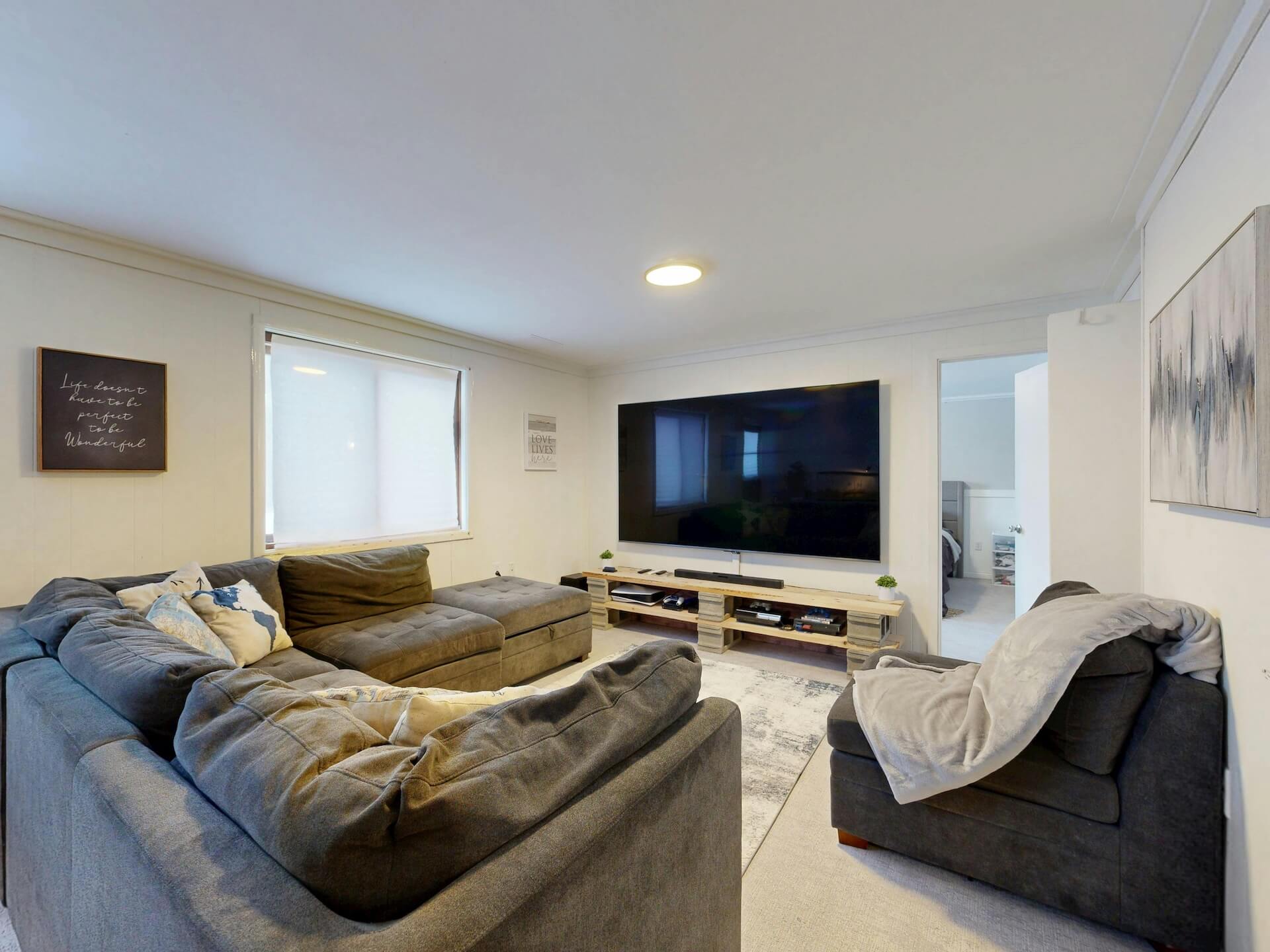
7 Best Baseboard Cable Raceways in Neutral Colors
Hide messy wires seamlessly with our top 7 neutral baseboard raceways. These sleek, paintable solutions blend into any decor while keeping your cables organized.
Nothing ruins the clean aesthetic of a freshly painted room quite like a tangled nest of black power cords snaking across your baseboards. Managing these cables is about more than just looks; it is a fundamental step in creating a safer, more organized home environment for your family. This guide highlights the best neutral-colored raceways to help you reclaim your floor space and achieve a polished, professional finish.
Delamu Cable Concealer Kit: Best Overall Choice


If you are looking for a "set it and forget it" solution for a standard living room setup, the Delamu kit is the gold standard. It strikes a perfect balance between price and performance, offering enough length to cover the baseboards of an average-sized bedroom or home office.
The kit includes various connectors like elbows and T-junctions, which allow you to navigate around corners without having to cut the plastic at difficult angles. Because it comes in a matte neutral finish, it blends into most white or off-white trim with minimal effort.
While the adhesive is strong, it is worth noting that it can be aggressive on delicate wallpaper or older paint. If you are a renter, consider using a layer of painter’s tape underneath the adhesive to protect your walls during future removal.
D-Line Decorative Raceway: Sleek Modern Design

For those who prioritize aesthetics, D-Line offers a unique half-round profile that looks less like a utility channel and more like a deliberate architectural detail. It is an excellent choice if your baseboards have a slightly rounded or modern profile that standard square channels would clash with.
The design is incredibly intuitive, featuring a hinged lid that snaps open and closed for easy cable adjustments. This is a massive advantage if you frequently swap out tech gadgets or move lamps around your home, as you won’t need to rip the entire channel off the wall to add one more cord.
The tradeoff here is the price point, which sits slightly higher than basic square channels. However, the convenience of the hinged design and the premium look make it a worthy investment for main living areas where guests will notice the details.
Yecaye J-Channel Raceway: Best Under-Desk Option

If your home office feels like a hazard zone under your desk, the Yecaye J-Channel is your best friend. Unlike fully enclosed raceways, this open-top design allows cables to drop in and out easily, making it perfect for desks where you are constantly plugging and unplugging chargers.
Because it is an open channel, it is not meant to be "invisible" in the middle of a wall, but it is perfect for hiding behind furniture or tucked neatly under a desk lip. It is incredibly easy to install, as you don’t have to thread cables through a narrow tube.
This option is ideal for households with teenagers or remote workers who need to reorganize their tech setup frequently. Just keep in mind that since it is open, it won’t hide cables if the raceway is installed at eye level or in a high-traffic area.
SimpleCord Cable Cover: Easiest Installation Kit
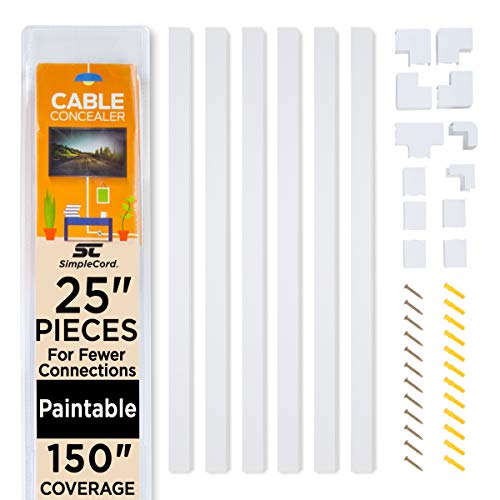
The SimpleCord system is designed for homeowners who want to get the job done quickly without needing a toolbox full of specialized equipment. The channels are pre-cut into manageable lengths, which saves you the hassle of measuring and sawing plastic in your living room.
This kit is particularly helpful if you have a variety of cord thicknesses, as the internal capacity is quite generous. It handles everything from thin lamp cords to thicker surge protector cables without bulging or popping open.
The adhesive backing is designed for a quick peel-and-stick application, making this the fastest install on the list. If you are intimidated by DIY projects, this is the kit that will give you the most confidence to get started.
Wiremold Non-Metallic Raceway: Best for Corners
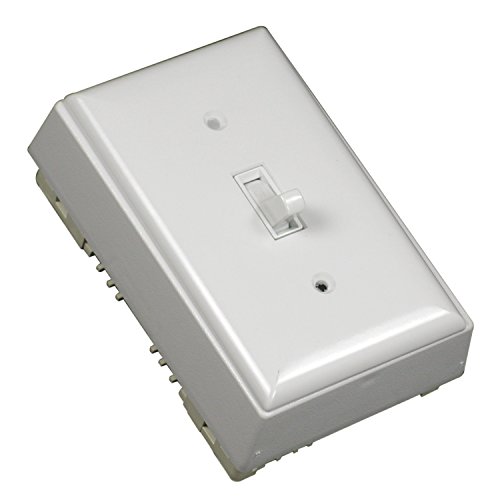
When you need to run cables from the floor up to a wall-mounted television or across a tricky corner, Wiremold is the professional choice. It is built to be more robust than typical consumer-grade kits, providing a secure, rigid structure that won’t warp over time.
The system is highly modular, meaning you can buy specific corner pieces and couplings to create a seamless run. It is the best choice for older homes where walls might not be perfectly square, as the connectors allow for slight adjustments during installation.
While it is slightly more industrial in appearance, it is the most reliable option for long-term cable management. It is a fantastic choice for a permanent basement or media room setup where you want the cables to be completely protected and secure.
One-Cord Channel System: Best for Low Profiles

Sometimes, you only have one or two thin cords—like a lamp or a smart speaker wire—that need to be hidden. The One-Cord system is the slimmest option available, designed to be so unobtrusive that you might forget it is even there.
Because of its low profile, it doesn’t stand out against the baseboard, making it virtually invisible in rooms with white or light-colored trim. It is also the most budget-friendly option, as you aren’t paying for extra width or complex locking mechanisms you don’t need.
The main limitation is capacity; you won’t be fitting a thick power strip cable inside this one. It is best suited for small, specific tasks rather than acting as a central hub for all your electronics.
Stageek Cable Management: Best Adhesive Strength
If you have textured walls or baseboards that are slightly dusty, standard adhesive might fail. Stageek stands out because it uses a high-quality, heavy-duty adhesive tape that is designed to stay put even in high-humidity areas like kitchens or bathrooms.
The raceways themselves are made of a durable, paintable material, allowing you to match them perfectly to your specific wall color if you choose to customize them. This is a great feature for homeowners who want a truly seamless look that disappears into the architecture.
Be careful when applying this, as the adhesive is very strong. Ensure your layout is exactly where you want it before pressing firmly, as you won’t want to move it once it is set.
How to Match Raceways to Your Baseboard Color
Most raceways come in a standard "appliance white," which works for many homes but can look stark against cream or off-white trim. If your baseboards are a different shade, you don’t have to settle for the factory color.
- Light Sanding: Use a fine-grit sandpaper to lightly scuff the surface of the plastic raceway before painting.
- Plastic-Bonding Primer: Apply a coat of primer specifically designed for plastics to ensure the paint adheres properly.
- Latex or Acrylic Paint: Use the same paint you used on your baseboards to ensure a perfect color match.
Taking these steps transforms a piece of plastic into a custom-looking element of your home. Always paint the raceway before you stick it to the wall to avoid getting paint on your trim or carpet.
Essential Tips for Securing Raceways to Walls
The secret to a long-lasting raceway installation is proper surface preparation. Before you even peel the backing off the adhesive, wipe your baseboards down with rubbing alcohol to remove dust, oil, and grime.
If you are concerned about the adhesive damaging your paint, consider using small mounting screws instead. Most raceways come with pre-drilled holes or can be easily drilled, providing a mechanical bond that is much safer for rental properties.
For long runs, use a level to ensure your raceway is straight. A crooked cable cover is more noticeable than a bundle of wires, so take an extra minute to mark your line with a pencil before committing to the wall.
Safely Measuring Your Space for Cable Hiding
Before purchasing any kit, use a piece of string to trace the path your cables will take along your baseboards. This will give you a much more accurate measurement than simply guessing or measuring the length of the wall.
Always account for the "curve" of your cables; they rarely sit perfectly flat against the wall, so buy a raceway that is slightly wider than the total diameter of the cables you plan to put inside. It is always better to have a little extra room than to struggle to snap the cover shut.
Finally, check your corners. If your room has many turns, ensure the kit you choose includes corner elbows, as these will save you hours of frustration trying to miter-cut the plastic yourself.
Investing in a quality cable raceway system is one of the most effective ways to tidy your home and reduce visual clutter. By choosing a product that matches your specific needs—whether that is ease of installation, high capacity, or a low-profile design—you can finally achieve that clean, organized look you have been aiming for. Take your time with the measurements and prep work, and you will be rewarded with a stress-free, cord-free living space.

