7 Best Biodegradable Plant-Based Sponges for Kitchens
Switch to eco-friendly cleaning with our top 7 biodegradable plant-based sponges. Discover durable, plastic-free options that keep your kitchen sustainable.
We have all stood at the kitchen sink, staring down a pile of crusty dishes and realizing our synthetic sponge is starting to smell like a science experiment. Switching to plant-based alternatives is one of the simplest ways to reduce microplastic waste in your home without sacrificing cleaning power. This guide breaks down the best biodegradable options to help you find a reliable tool that fits your daily dishwashing routine.
Scrub Daddy Scrub Mommy Eco: Best Overall Choice
Scrub Mommy's dual-sided sponge features temperature-sensitive FlexTexture for scrubbing and odor-resistant ResoFoam for lathering. Safely clean over a dozen surfaces, from dishes to car exteriors, with this flexible and ergonomic scrubber.


When you have a household where the dinner routine ranges from delicate glassware to stubborn, baked-on casserole dishes, you need versatility. The Scrub Mommy Eco combines a soft, absorbent cellulose side with a plant-based, scratch-free scrubbing material that changes texture based on water temperature.
It performs exceptionally well for both apartment dwellers with limited sink space and families who need one tool for everything. While the price point is slightly higher per unit than basic sponges, the durability of the materials often justifies the cost over time.
The bottom line: If you want a reliable, dual-sided sponge that handles varied tasks without scratching your non-stick pans, this is the most practical upgrade you can make.
Earthly Co. Cellulose Sponges: Best Value Pack
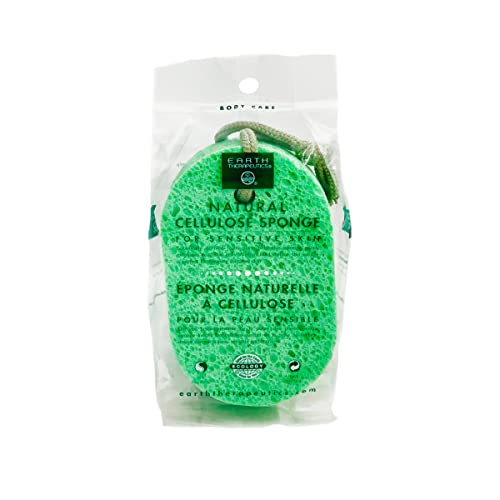
For busy households that go through sponges quickly—like a family of four or a shared apartment with multiple roommates—buying in bulk is a necessity. Earthly Co. provides a straightforward, no-frills cellulose sponge that gets the job done without the extra cost of fancy branding.
These sponges are highly absorbent and work perfectly for wiping down countertops or cleaning up spills. Because they come in larger packs, you don’t have to feel guilty about swapping them out as soon as they start to lose their shape.
The bottom line: These are the best choice for those who prioritize budget and frequent replacement over specialized scrubbing features.
Public Goods Biodegradable Sponge: Best Minimalist
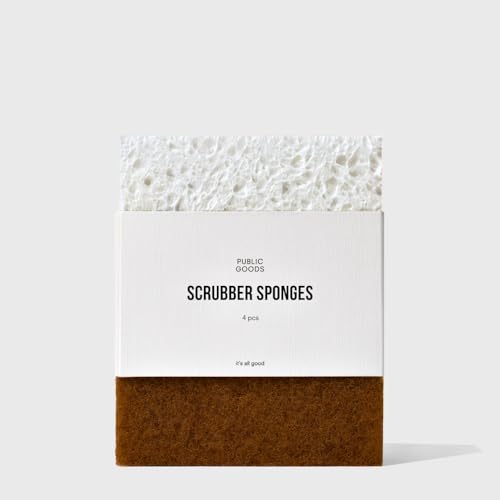
If you prefer your kitchen tools to blend into your decor rather than adding visual clutter, the Public Goods sponge is a great fit. These sponges are made from natural loofah and cellulose, offering a clean, simple aesthetic that looks right at home in a modern or minimalist kitchen.
They are surprisingly effective at lifting grease and are free from the synthetic dyes often found in standard grocery store sponges. Their slim profile also makes them ideal for small kitchens where under-sink storage is at a premium.
The bottom line: This is a solid, honest product that strips away the marketing fluff to provide a reliable, earth-friendly tool for everyday cleaning.
Swedish Wholesale Dish Cloths: Best Multi-Purpose

Many people find that a traditional sponge isn’t the right tool for every job, especially when it comes to wiping down granite, stainless steel, or wood surfaces. Swedish dish cloths occupy the middle ground between a sponge and a paper towel, offering incredible absorbency in a thin, easy-to-dry format.
They are perfect for people who worry about the "sponge smell," as their thin design allows them to dry out completely between uses. You can even toss them in the dishwasher or washing machine to extend their life significantly.
The bottom line: If you want to reduce your reliance on paper towels and keep your counters streak-free, these cloths are an essential addition to your cleaning kit.
Grove Co. Walnut Scrubber: Best for Tough Grime

We have all dealt with that one pot that sat out a little too long after dinner. The Grove Co. Walnut Scrubber uses crushed walnut shells as a natural abrasive, providing a level of scouring power that cellulose alone cannot match.
It is particularly effective for homeowners with cast iron or stainless steel cookware that requires a bit of "elbow grease." Because the scrubbing side is made from a natural byproduct, it avoids the plastic bristles that eventually end up in our waterways.
The bottom line: Keep these on hand specifically for your heavy-duty pots and pans, as they are unmatched when it comes to tackling stuck-on food.
Safix Coconut Fiber Scrubber: Best Heavy Duty

If you are looking for a heavy-duty scrubber that can withstand intense scrubbing without falling apart, look toward coconut coir. The Safix scrubber is stiff, durable, and designed to handle the most aggressive cleaning tasks in the home.
Because of its rigid structure, it isn’t the best for delicate wine glasses, but it is a powerhouse for scrubbing grill grates or deep-cleaning a sink. It’s a great option for homeowners who prefer a tool that feels substantial in their hand.
The bottom line: This is a specialized tool for your toughest jobs; use it alongside a softer sponge to ensure you have the right equipment for every dish.
If You Care Cellulose Sponge: Best Compostable
If your primary goal is to minimize your environmental footprint, the If You Care brand is a leader in truly compostable kitchen supplies. These sponges are made from 100% natural cellulose and are designed to be broken down completely in a home compost bin once they’ve reached the end of their life.
They are absorbent, soft, and gentle on most surfaces, making them a great "all-rounder" for daily kitchen maintenance. They don’t have the heavy-duty scrubbing power of a walnut or coconut sponge, but they excel at general wiping and washing.
The bottom line: Choose these if you are committed to zero-waste practices and want a product that truly returns to the earth.
Why Choose Plant-Based Over Synthetic Sponges
Most conventional sponges are made from polyurethane foam and polyester, which are essentially plastics. Every time you scrub a dish, tiny microplastics are shed into your drain and eventually end up in our oceans.
Plant-based sponges, typically made from wood pulp (cellulose), cotton, or coconut fibers, do not shed these persistent pollutants. While they may require a slightly different approach to care, they offer the same level of utility without the long-term environmental burden.
Making the switch is a small change that yields a big impact over the course of a year. It’s a practical way to align your household habits with more sustainable values without needing to overhaul your entire life.
How to Sanitize Your Sponges for Longer Life
To get the most out of your biodegradable sponge, you must keep it clean and dry. A damp, food-covered sponge is a breeding ground for bacteria, regardless of whether it is synthetic or natural.
- The Microwave Method: Ensure the sponge is completely wet, then microwave it on high for one minute; this kills most bacteria.
- The Dishwasher Method: Place your sponge in the top rack of your dishwasher during a high-heat cycle.
- The Vinegar Soak: Soaking your sponge in a 50/50 mix of white vinegar and water can help neutralize odors and break down residue.
Always ensure your sponge is bone-dry between uses. Even the best biodegradable sponge will start to break down prematurely if left sitting in a puddle of water.
When to Replace Your Sponge for Kitchen Hygiene
Even with regular sanitizing, no sponge lasts forever. A good rule of thumb is to replace your sponge every two to three weeks, or sooner if it begins to smell, fray, or lose its shape.
If you notice that your sponge is no longer picking up water effectively or if the scrubbing surface has become clogged with debris that won’t rinse out, it is time for a new one. Holding onto a degraded sponge actually makes cleaning harder, as you end up pushing dirt around rather than lifting it away.
Don’t wait for the sponge to fall apart completely before swapping it out. A fresh sponge is your first line of defense against kitchen bacteria and makes the chore of dishwashing significantly faster and more efficient.
Transitioning to biodegradable sponges is a simple, effective step toward a more sustainable and hygienic kitchen. By selecting the right tool for your specific cleaning needs and maintaining it properly, you can keep your home sparkling clean while reducing your plastic waste. Remember that the best sponge is the one that actually gets used, so choose the option that fits your personal routine and budget.