

7 Best Acacia Wood Cutting Boards for Durability
Discover the top 7 acacia wood cutting boards. Learn why their natural density and moisture resistance make them a durable, stylish choice for your kitchen.
Finding the right cutting board is often the difference between a frustrating meal prep session and a smooth, enjoyable kitchen routine. Acacia wood has become a household favorite because it balances natural beauty with impressive hardness and water resistance. This guide will help you navigate the best options on the market to ensure your next board lasts for years to come.
Ironwood Gourmet Large End Grain Acacia Board
Crafted from durable acacia wood, this large end grain cutting board offers a versatile prep and serving surface. Its butcher block design protects your knives and ensures longevity for all your culinary tasks.


When you spend a lot of time prepping hearty vegetable stews or carving roasts, you need a board that won’t slide around or dull your blades. The Ironwood Gourmet end grain construction is a standout for heavy-duty tasks because the wood fibers absorb the impact of your knife. It feels substantial on the counter, providing a stable platform for even the most vigorous chopping.
Because it is an end grain board, it is thicker and heavier than standard edge grain models. This makes it a perfect choice for homeowners with permanent counter space who don’t need to move their board often. If you live in a smaller apartment, keep in mind that its weight requires a dedicated spot rather than frequent storage in a cabinet.
The bottom line is that this board is an investment in your knife’s longevity. While it requires a bit more care to keep the wood hydrated, the self-healing nature of end grain fibers makes it a top-tier choice for serious home cooks.
John Boos Block Acacia Wood Cutting Board

John Boos is a legendary name in the culinary world, and their entry into acacia wood brings that same professional standard to the home kitchen. These boards are known for their tight grain patterns and consistent thickness, which prevents warping over time. It is a reliable workhorse for families who prep multiple meals a day.
For renters or those with limited kitchen storage, the sleek profile of this board is a major advantage. It is thin enough to slide into a drawer or a narrow gap between appliances, yet sturdy enough to handle daily use. It strikes a great balance between professional-grade durability and everyday home convenience.
You are paying for the reputation and the quality of the wood selection here. If you want a board that looks like it belongs in a high-end kitchen but still fits a standard budget, this is a very safe, dependable choice.
Sonder Los Angeles Large Acacia Wood Board

If you are someone who loves to host or needs a board that doubles as a serving platter, the Sonder Los Angeles board is designed with versatility in mind. It features deep juice grooves and integrated handles, which makes moving from the prep area to the dining table much easier. It turns a functional tool into a centerpiece for your charcuterie or cheese spreads.
This board is particularly helpful for busy households where counter space is at a premium. By serving directly off the board, you save yourself the effort of cleaning extra platters and plates. The aesthetics are top-notch, fitting well into both modern and rustic home decor styles.
While the grooves make it great for messy tasks like slicing tomatoes or meats, they do require a quick scrub to keep clean. Overall, this is the best option for the social cook who wants one tool to handle both prep and presentation.
Totally Bamboo Kauai Acacia Serving Board

Sometimes you don’t need a massive, heavy block; you need a lightweight board that handles quick tasks like slicing an apple or cutting a sandwich. The Totally Bamboo Kauai board is perfect for students, small-space dwellers, or anyone who wants a board that is easy to wash by hand in a standard sink. It is nimble, affordable, and incredibly easy to store.
Don’t let the "serving board" label fool you; acacia is naturally durable enough for light daily duty. It is much gentler on your wrists when you are doing quick prep work compared to the heavy blocks mentioned earlier. It’s an ideal "secondary" board to have on hand when your primary board is already in use.
The price point makes it an excellent entry-level choice for first-time renters. You get the benefits of acacia’s durability without the steep cost or the storage headache of a professional-grade block.
Teakhaus Acacia Wood Edge Grain Board
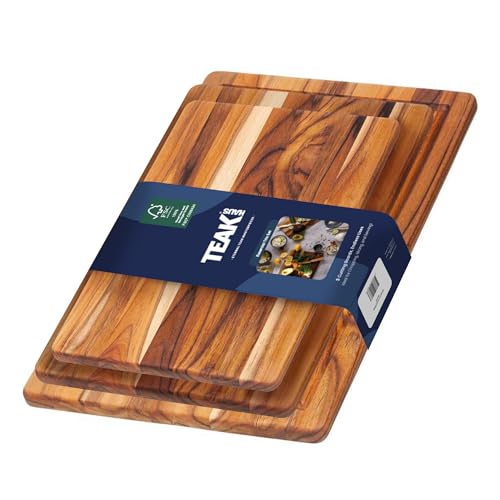
Teakhaus is known for high-quality wood sourcing, and their acacia edge grain boards are built to withstand years of regular use. Edge grain is a great middle-ground choice; it is more affordable than end grain but still offers excellent resistance to knife marks. It is a classic, no-nonsense board that will look great in any kitchen.
This board is ideal for the home cook who wants a reliable, long-lasting surface without the high maintenance of more complex grain structures. It is sturdy, easy to wipe down, and stands up well to frequent washing. If you have a busy family kitchen, this board will likely handle the daily grind without showing significant wear.
The tradeoff here is that it won’t be quite as "self-healing" as an end grain board. However, for most home cooking, it is more than sufficient and offers a great return on your investment.
Mountain Woods Extra Large Acacia Board

For large families or those who enjoy "batch cooking" on Sundays, the Mountain Woods extra-large board provides the surface area you crave. Having a massive workspace means you can chop onions, peppers, and garlic all at once without having to stop and clear the board. It essentially turns your counter into a professional prep station.
Because of its size, you will need to ensure you have a stable spot for it to live permanently. It is not the kind of board you want to be pulling in and out of a cabinet every day. If you have a kitchen island, this board is the perfect permanent fixture for it.
The scale of this board makes it a fantastic value for the price. You get a massive amount of high-quality wood, which is perfect for high-volume cooking, provided you have the physical space to accommodate it.
Seville Classics Acacia Wood Cutting Board
The Seville Classics board is a practical solution for the homeowner who values utility above all else. It often comes with handy features like removable bins or non-slip feet, which help keep your prep area organized and safe. This is a very "user-friendly" board that solves common kitchen frustrations like spilled scraps or sliding surfaces.
This is a great choice for households with children or older adults where safety and stability are the top priorities. The non-slip feet ensure the board stays put, reducing the risk of accidents while chopping. It is a very functional, "no-fuss" tool that gets the job done reliably.
While it might not have the artisanal appeal of a hand-crafted end grain block, it wins on pure functionality. If you want a board that makes your daily routine faster and safer, this is a smart, economical choice.
Essential Tips for Acacia Wood Maintenance
Acacia wood is a natural material, which means it reacts to its environment. To keep your board in top shape, never put it in the dishwasher, as the high heat and water will cause it to crack or warp. Always hand wash it with mild soap and dry it immediately with a towel.
- Avoid soaking: Never leave your board in a sink full of water.
- Store vertically: If space allows, store your board on its edge to allow air to circulate on both sides.
- Rotate use: If your board has a "good" side and a "scratched" side, try to use both sides evenly to prevent bowing.
Consistency is key when it comes to maintenance. By following these simple steps, you can double or triple the lifespan of your board regardless of the brand you choose.
Why End Grain Is Best for Knife Longevity
End grain boards are constructed by standing wood fibers vertically, which allows your knife blade to slip between the fibers rather than cutting across them. This is why they are often described as "self-healing." When you lift your knife, the fibers tend to close back up, leaving the surface looking newer for much longer.
In contrast, edge grain boards force the knife to cut through the wood fibers, which dulls the blade faster over time. If you own expensive chef’s knives, an end grain board is a worthwhile investment to keep them sharp. It protects your tools just as much as it protects the board itself.
While end grain boards are more expensive and heavier, they are the gold standard for home cooks who value their cutlery. It is a classic case of paying more upfront to save money on professional knife sharpening down the line.
How to Properly Oil Your Acacia Board
Oiling your board is the most important step in preventing it from drying out, cracking, or absorbing food odors. Use a food-grade mineral oil or a specialized wood wax once a month, or whenever the wood starts to look dull and gray. Simply apply a generous amount, let it soak in overnight, and wipe off the excess in the morning.
Avoid using vegetable or olive oils, as these can go rancid and leave a sticky, unpleasant residue on your board. A high-quality mineral oil is inexpensive and will keep the wood supple and water-resistant. Think of it like moisturizing your skin—it keeps the wood healthy and resilient against daily use.
Choosing an acacia board is a practical decision that blends natural aesthetics with reliable performance for your daily cooking needs. Whether you prioritize a massive prep surface or a compact board for quick tasks, there is an option here that fits your lifestyle. Treat your board with a little regular oiling, and it will remain a staple in your kitchen for many years.
