

7 Best Insulated Buckets For Outdoor Winter Cleaning
Discover the 7 best insulated buckets for winter cleaning. Our guide reviews top-rated models designed to prevent freezing and ensure efficient outdoor work.
Tackling outdoor chores when the temperature drops requires more than just a sturdy pair of gloves. Using standard plastic pails in sub-zero weather often leads to ice-crusted water and brittle, cracking containers. Investing in an insulated bucket ensures your cleaning solutions stay liquid and your hands stay out of the freezing slush.
Yeti LoadOut 5-Gallon: Best for Thermal Retention
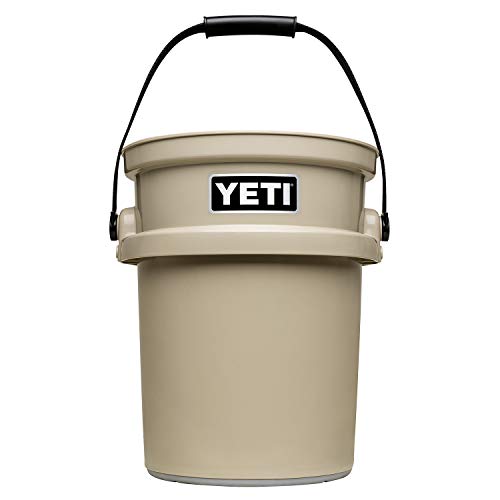

If you find yourself scrubbing down patio furniture or washing the car on brisk autumn mornings, you know how quickly water loses heat. The Yeti LoadOut is built with an over-engineered construction that keeps water temperatures stable for hours. Its thick, impact-resistant walls prevent the rapid heat transfer common in cheaper alternatives.
While the price tag is certainly higher than your average hardware store bucket, the durability is unmatched. It won’t become brittle or crack when dropped on frozen concrete, which is a common failure point for standard plastic. For homeowners with large properties who need a tool that lasts a decade, this is a solid investment.
If you are a renter with limited storage, however, consider that this bucket does not collapse. It is a permanent fixture in your utility closet or garage. The bottom line: pay for the thermal performance if you frequently work in near-freezing conditions.
Igloo 5-Gallon Seat Top: Best for Easy Portability

When you are moving between the driveway, the garden shed, and the back porch, lugging a heavy, sloshing bucket is a chore. The Igloo Seat Top design features a convenient handle and a lid that doubles as a temporary seat. It’s perfect for those quick tasks where you need to take a break or store your cleaning supplies inside the bucket while you work.
The insulation here is focused on keeping the water temperature consistent during short-term projects. It isn’t designed for overnight heat retention, but it excels at keeping your rinse water from turning into an ice bath while you wash a car or scrub a deck. It’s lightweight enough that even when partially filled, it remains manageable.
This is an excellent middle-ground choice for suburban homeowners who want utility without the industrial weight of heavier models. It’s easy to clean and stores well in a standard garage corner. If you prioritize convenience and weight over extreme thermal longevity, this is your best bet.
Rubbermaid Commercial Brute: Best for Heavy Duty Use
Effortlessly transport heavy loads with the Rubbermaid BRUTE Dolly, featuring a secure twist-lock system and five non-marking casters for stable, quiet mobility. This durable dolly fits 20-55 gallon BRUTE containers, protecting them from wear and tear.

If your winter routine involves heavy-duty cleaning, such as washing down salt-crusted entryways or clearing debris from a workshop, the Brute is the industry standard. While not strictly "insulated" in the thermos sense, its thick-walled polyethylene construction provides significantly better thermal mass than thin, flimsy buckets. It is designed to take a beating and keep on working.
You can drag this across rough, icy pavement without worrying about the bottom wearing thin or splitting. It is the workhorse of the household product world, and because it is commercial grade, it is surprisingly affordable. For those with large homes or farm properties, this is the most practical choice for long-term use.
Keep in mind that it doesn’t come with a lid as standard, so you may need to purchase one separately to keep the heat in. It’s a utilitarian choice that favors function over fancy features. For the homeowner who values reliability and budget-friendly durability, the Brute is hard to beat.
Coleman 5-Gallon Beverage: Best Insulation Value
Many homeowners overlook beverage coolers when looking for cleaning buckets, but the Coleman 5-gallon cooler is a masterclass in insulation. The foam-injected walls are designed to keep ice frozen for days, which works perfectly in reverse to keep your warm cleaning water from freezing. It’s a clever hack that provides professional-grade thermal performance at a fraction of the cost of specialized gear.
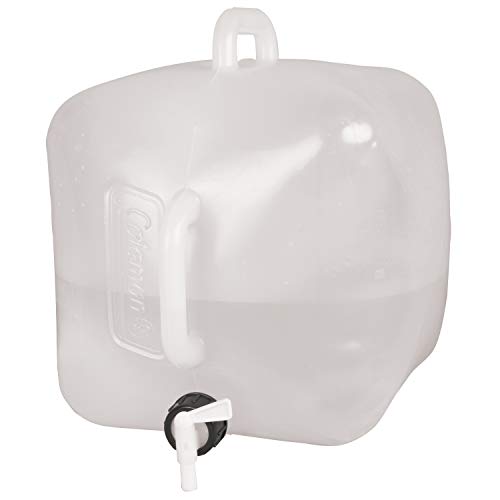
The spigot at the bottom is a game changer for cleaning tasks. You can dispense just the right amount of warm water into a smaller basin or directly onto a surface without tipping a heavy bucket. It is incredibly efficient for those who want to minimize water waste during winter chores.
Because it is a cooler, it is bulkier than a traditional bucket and takes up more shelf space. If you have a small apartment or a crowded garage, measure your storage area first. This is the best value for your money if you need high-end insulation for a reasonable price.
Gott 5-Gallon Insulated: Best for Harsh Climates
In regions where the thermometer stays below freezing for weeks on end, you need a specialized solution that won’t fail. The Gott insulated series is designed for rugged environments where maintaining water temperature is a necessity, not a luxury. These buckets feature dense insulation layers that act as a barrier against the biting cold.
They are particularly useful for those who need to keep cleaning solutions warm to ensure detergents dissolve properly. Cold water often makes soap less effective, leading to streaks and poor cleaning results. By using a highly insulated bucket, you ensure your cleaning chemicals perform at their peak.
These are often harder to find new, so look for them in surplus stores or as well-maintained second-hand items. They are built to last a lifetime, making them a sustainable choice. If you live in a climate where winter is a major season, this is the gold standard for reliability.
Polar Bear 5-Gallon Cooler: Best Soft-Sided Option
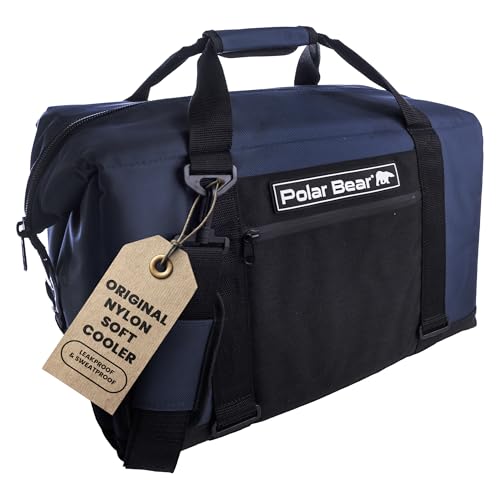
If you are short on space, a rigid plastic bucket can be a storage nightmare. The Polar Bear soft-sided cooler is an unconventional but brilliant solution for winter cleaning. It features high-density foam insulation and a leak-proof liner that can handle warm water and cleaning agents.
When you finish your chores, you can empty it, collapse it, and tuck it away on a shelf or under a sink. It is the perfect solution for apartment dwellers or homeowners who don’t want a permanent bucket taking up floor space. It keeps heat in surprisingly well for a soft-sided product.
Be mindful that it is not as puncture-resistant as a hard plastic bucket. Avoid using it with sharp tools or heavy scrapers that could tear the liner. For light-to-medium cleaning tasks, it offers the best balance of performance and space-saving design.
Arctic Zone Insulated Pail: Best for Small Tasks

Sometimes you only need a gallon or two of warm water to wipe down windows or clean off outdoor light fixtures. The Arctic Zone insulated pail is compact, easy to carry, and designed specifically for smaller-scale projects. It keeps the water warm enough for the duration of a quick task without the bulk of a full-sized 5-gallon bucket.
It’s lightweight, making it ideal for those who have trouble carrying heavy, full buckets. The handle is usually ergonomically designed, reducing strain on your wrists during repetitive cleaning motions. It’s a great addition to any cleaning kit, especially for those who prefer to do small chores frequently rather than one big project.
While it won’t suffice for washing a car, it is perfect for the "little things" that keep a home tidy. It’s an inexpensive and highly practical tool for any household. If your cleaning needs are modest, don’t overspend on a massive unit—this will get the job done.
How to Prevent Water From Freezing During Cleaning
The most effective way to keep water from freezing is to start with hot—not boiling—water and add a small amount of salt or specialized windshield washer fluid if the task allows. Boiling water can warp plastic buckets, so keep it at a comfortable, warm temperature. Always keep a lid on the bucket when you aren’t actively using it to trap the heat inside.
Work in shorter, more frequent bursts rather than letting the bucket sit out in the cold for hours. If you are cleaning for an extended period, consider placing the bucket on a piece of foam or a thick rubber mat to insulate it from the freezing ground. This prevents the cold concrete from sucking the heat directly out of the water.
Finally, keep your cleaning supplies organized so you aren’t stopping and starting. Efficiency is the key to preventing thermal loss. When you are done, empty the bucket immediately so no residual water freezes and expands, which can cause even the toughest buckets to crack over time.
Key Features to Look for in Winterized Buckets
When shopping, prioritize wall thickness and lid quality above all else. A thick wall is your primary defense against the cold, and a tight-fitting lid is essential for preventing heat loss through evaporation. Look for buckets with ergonomic handles, as cold hands have less grip strength, and a slip can be dangerous on icy surfaces.
Consider the interior material as well; you want something that is non-porous and easy to clean. If you use harsh chemicals, ensure the liner is rated for chemical resistance to prevent degradation. A bucket that is easy to rinse out will prevent residue buildup that can harbor bacteria or mold during the warmer months.
Check the base of the bucket for stability. A wider base is less likely to tip over on uneven or icy surfaces, which is a common frustration during winter chores. Don’t be swayed by "extra" features like built-in lights or speakers; focus on the core function of insulation and durability.
Maintenance Tips for Extending Insulated Lifespan
After every use, rinse your insulated bucket with warm, soapy water to remove any chemical residue. Never use abrasive scrubbers on the interior of an insulated cooler or bucket, as this can damage the thermal lining and reduce its efficiency. Always air-dry the bucket completely upside down before putting the lid back on to prevent mildew.
If you store your bucket in an unheated garage, keep it away from direct sunlight or extreme heat sources like furnaces. Plastic can become brittle if it goes through extreme temperature swings, even if it is high quality. Inspect the seals on the lid periodically; if they become cracked or loose, replace them to maintain the airtight integrity.
Treat your bucket as a tool rather than a disposable item. If you notice small scratches or nicks, address them quickly so they don’t grow into larger cracks. With proper care, even a moderately priced insulated bucket can serve your household for many winters to come.
Selecting the right insulated bucket is about balancing your specific cleaning needs with the reality of your storage space and budget. Whether you choose a high-end cooler or a simple, thick-walled plastic pail, the goal is to make your winter chores safer and more efficient. Choose the tool that fits your routine, keep it well-maintained, and you will find that winter cleaning becomes much less of a struggle.
