

7 Best Refrigerator Vegetable Crisper Liners Tested
We tested seven vegetable crisper liners to see which keep produce fresh longest. Discover our top picks for moisture control, durability, and easy cleaning.
Keeping produce crisp for more than a few days often feels like a losing battle against wilting greens and slimy berries. Refrigerator crisper liners offer a simple, low-cost intervention to extend the life of your groceries and keep your drawers cleaner. This guide explores the top options on the market to help you find the right balance between maintenance and freshness.
Freshware Reusable Foam Liners for Airflow
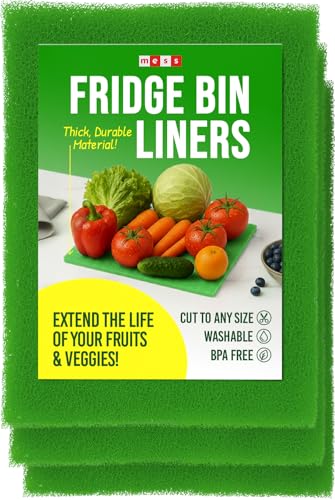

If you frequently find yourself tossing out bags of spinach that have turned into a soggy mess, you likely have a moisture buildup issue. These foam liners are designed with an open-cell structure that lifts your produce slightly off the cold, hard surface of the drawer.
By creating a small gap between the vegetable and the drawer floor, they allow cool air to circulate underneath the food. This simple elevation can significantly slow down the rate of decay for delicate leafy greens and herbs.
However, keep in mind that foam requires a bit more attention than plastic or silicone. You will need to ensure they are completely dry after washing to prevent mildew growth.
Gorilla Grip Washable Mats for Easy Cleanup

For busy families where the crisper drawer is constantly being raided for snacks, cleanup speed is usually the top priority. These mats are thicker and more durable than standard foam, making them a great choice for high-traffic refrigerators.
The textured surface is designed to catch crumbs and spills before they reach the bottom of your appliance. When things get messy, you can simply pull them out, rinse them in the sink, and slide them back in once dry.
Because they are heavier, they stay in place better than thinner alternatives, which is a major plus if you have kids who tend to shove containers into the drawer. They are a practical, "set it and forget it" solution for those who prioritize convenience over specialized moisture control.
Chef’s Path Moisture-Absorbing Produce Pads
If your household tends to buy in bulk, you know the struggle of keeping moisture levels balanced in a crowded drawer. These pads act like a sponge, pulling excess humidity away from your fruits and vegetables to prevent premature spoilage.
They are particularly effective for moisture-sensitive items like strawberries, cucumbers, and mushrooms. By maintaining a more stable environment, they help prevent that dreaded "slime" that forms when condensation pools at the bottom of the bin.
The trade-off here is that these pads have a finite lifespan and will eventually need to be replaced once they lose their absorption capacity. They are an excellent choice for the serious home cook who wants to minimize food waste at any cost.
KitchenEdge Antibacterial Crisper Drawer Mats

In shared living situations or busy households, hygiene inside the fridge is often a top concern. These mats are treated to resist the growth of bacteria and mold, providing an extra layer of protection for your food.
They provide a clean, non-porous surface that is very easy to wipe down during your weekly grocery restock. If you are a renter with an older refrigerator where the crisper drawers have seen better days, these mats can make the space feel brand new.
While they are slightly more expensive than generic liners, the peace of mind regarding food safety is often worth the investment. Just remember that no liner replaces the need for occasional deep cleaning of the drawer itself.
Purely Fresh Fruit and Vegetable Storage Liners

These liners focus on versatility, offering a balance between airflow and surface protection. They are thin enough to be easily trimmed, yet sturdy enough to survive multiple wash cycles without tearing.
They work well in almost any refrigerator setup, whether you are in a compact apartment with a tiny fridge or a house with a large French-door unit. Their neutral design means they won’t clash with your fridge aesthetic, and they are generally very affordable.
If you are looking for a reliable, all-purpose solution that doesn’t require a steep learning curve, these are a solid starting point. They are the "workhorse" of the category, doing exactly what they promise without unnecessary bells and whistles.
BINO Reusable Silicone Silicone Fridge Drawer Liners

Silicone is a fantastic material for the kitchen because it is naturally heat-resistant, non-stick, and incredibly easy to sanitize. These liners are perfect if you are looking for a long-term solution that won’t degrade or need frequent replacement.
Because they are food-grade silicone, they are completely BPA-free and safe for direct contact with your produce. They also provide a bit of grip, which keeps your jars and produce bags from sliding around every time you open the drawer.
The main consideration is the price point, as high-quality silicone is more expensive than foam or plastic. However, when you factor in that you won’t need to buy replacements for years, they often end up being the most cost-effective choice.
Luxiv Non-Slip Cuttable Refrigerator Liners

Sometimes, the standard sizes just don’t fit the unique dimensions of a custom or older-model refrigerator. These liners come in larger sheets that are designed to be cut to size with a simple pair of household scissors.
They feature a non-slip pattern that is helpful for keeping small items from shifting around when the drawer is opened quickly. This is a great feature for small fridges where every inch of space is utilized and items are packed tightly together.
- Best for: Odd-shaped drawers or maximizing space in small fridges.
- Pro Tip: Use a piece of parchment paper as a template to trace your drawer shape before cutting the liner.
- Warning: Ensure the edges are cut cleanly to avoid fraying, which could trap food particles.
How to Properly Trim Liners for Custom Fit
Getting a perfect fit is the key to preventing crumbs from slipping underneath your new liners. Start by removing the existing drawer and clearing out all produce so you have a clean, flat surface to work with.
Measure the interior base of your crisper drawer, being sure to account for any curves or corners near the back. If you are working with a flexible material, it is always better to cut slightly larger and trim down than to cut too small.
If your drawer has a complex shape, create a paper template first. Place the paper inside the drawer, crease it along the edges, and use that as your guide for cutting the liner. This prevents expensive mistakes and ensures a professional-looking finish.
Cleaning and Sanitizing Your Crisper Liners
Even with a liner, your crisper drawer is not immune to the occasional spill or rotting piece of fruit. You should aim to remove and wash your liners every time you do a major grocery run, or at least once every two weeks.
For most foam or plastic liners, a simple soak in warm, soapy water is sufficient to remove bacteria and residue. Rinse them thoroughly and, most importantly, allow them to air dry completely before placing them back into the fridge.
- Silicone: Can often be placed in the top rack of the dishwasher for a deep clean.
- Foam: Should be hand-washed to prevent the material from breaking down under high heat.
- Sanitizing: If you notice an odor, a quick wipe-down with a diluted vinegar solution can help neutralize smells.
Benefits of Better Air Circulation in Drawers
The primary enemy of fresh produce is trapped ethylene gas and excess moisture. Ethylene is a natural ripening agent released by fruits, and if it stays trapped in the drawer, it causes everything nearby to spoil much faster.
By using a liner that promotes airflow, you are essentially helping your refrigerator’s cooling system do its job more effectively. This creates a micro-climate that keeps your greens crisp and your fruits from turning mushy before you have a chance to eat them.
Ultimately, these liners are about more than just keeping the fridge clean—they are about saving money on groceries. By extending the shelf life of your produce by even a few days, the liners pay for themselves within the first month of use.
Choosing the right crisper liner comes down to balancing your personal cleaning habits with the specific produce you buy most often. Whether you opt for the durability of silicone or the moisture-wicking properties of foam, any of these choices will improve your fridge organization. Invest in a set that fits your lifestyle, and you will quickly see the difference in your grocery bill and your food waste.

