7 Best Mini Greenhouse Cabinets for Indoors Reviewed
Transform your home into a lush oasis. We review the 7 best indoor greenhouse cabinets to help you optimize humidity, lighting, and style for your plants.
Transforming a corner of your home into a lush, controlled indoor garden has become a favorite project for plant enthusiasts of all skill levels. Greenhouse cabinets provide the perfect microclimate for humidity-loving tropicals while keeping your living space tidy and pet-safe. This guide breaks down the best options to help you choose a display that fits your home’s layout and your plants’ specific needs.
IKEA Milsbo: Best Overall Cabinet Choice


If you are looking for a balance of aesthetics and functionality, the Milsbo is the industry standard for a reason. Its wide, double-door design allows for easy access to your plants, making it a breeze to prune, water, or rearrange your collection without feeling cramped.
The steel frame is sturdy enough to hold heavy pots, and the tempered glass panels provide a clear, unobstructed view of your greenery. Because it is a taller, wider unit, it feels more like a piece of furniture than a simple storage box, blending seamlessly into living rooms or home offices.
The main trade-off is the assembly process, which can be time-consuming for one person. However, once built, the Milsbo offers the most versatility for adding custom shelving or hanging grow lights. It is the ideal choice for someone who wants a permanent, reliable home for a growing collection of rare aroids.
IKEA Rudsta: Ideal for Smaller Spaces

For those living in apartments or homes with limited square footage, the Rudsta offers a compact footprint without sacrificing the greenhouse effect. Its sleek, minimalist design fits perfectly in narrow nooks or beside a desk, making it a great entry point for beginners.
The magnetic door closure is a simple but effective feature that helps seal in moisture, which is vital for keeping humidity levels high. Because it is smaller, it is also much easier to move around if you decide to rearrange your furniture or move to a new apartment.
Keep in mind that the vertical space is somewhat restricted compared to larger cabinets. You will need to be strategic with your plant choices, opting for smaller ferns or trailing philodendrons rather than large, sprawling monsteras. It is a fantastic, budget-friendly solution for those who want to dip their toes into cabinet gardening.
IKEA Fabrikör: Best Glass Display Style
The Fabrikör is arguably the most beautiful cabinet in the IKEA lineup, featuring a rounded, vintage-inspired aesthetic that looks like a high-end display case. If your priority is making your plants look like a curated art installation, this is the cabinet for you.
The glass doors and sides provide 360-degree visibility, which is perfect if you plan on placing the cabinet in the center of a room. It feels less industrial than metal-heavy alternatives and brings a soft, sophisticated touch to your interior decor.
Be aware that the circular design and specialized hinges can make the interior slightly harder to navigate than square cabinets. You may find it tricky to install standard grow light bars compared to the flat-sided Milsbo. It is a choice for the design-conscious gardener who values style as much as plant health.
IKEA Detolf: Top Pick for Tall Plants

If you have a collection of tall, dramatic plants like palms or upright Dracaena, the Detolf is the go-to choice. Its extreme verticality allows you to showcase plants that would simply be crushed in a standard-height cabinet.
Because it is very narrow and tall, it occupies almost no floor space, making it a winner for tight corners. The price point is also highly competitive, often making it the most affordable glass cabinet option available for new hobbyists.
The primary downside is its stability; because it is so tall and thin, it must be anchored to the wall to prevent tipping. Additionally, the glass shelves are fixed in place, meaning you have less flexibility to adjust heights for different plant sizes. It is a practical, low-cost solution for those who prioritize vertical growth.
Winsome Wood Cabinet: Best Wooden Design

Not everyone wants a cold, metallic look in their home, and that is where wooden cabinets like those from Winsome Wood come in. These pieces offer a warm, traditional aesthetic that complements wooden flooring and natural furniture.
These cabinets often feature glass-paneled doors that provide a classic "curio cabinet" look. They bring a cozy, grounded feel to a room, making your indoor garden feel like a natural extension of your home’s existing decor.
You must be careful with moisture, however, as wood can warp or rot if it is constantly exposed to high humidity. You will likely need to seal the interior with a waterproof varnish or use a protective liner to ensure the cabinet lasts. This is a great choice for someone who prioritizes home style over a high-tech, high-humidity environment.
Generic Metal Greenhouse: Best Budget Buy
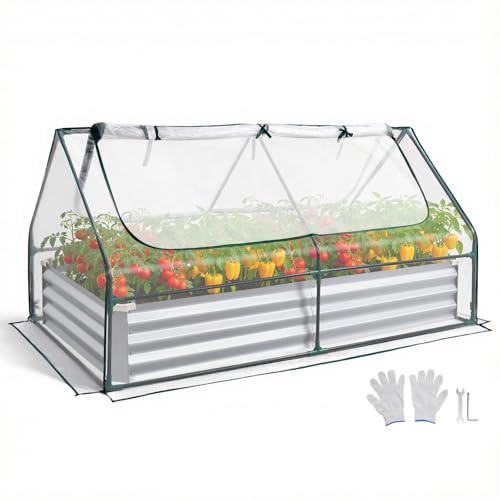
If you are just starting out and don’t want to invest hundreds of dollars, generic metal greenhouse cabinets found on major online marketplaces are a great alternative. These are often sold as assembly-required kits and are designed specifically for plant storage.
They usually come with pre-drilled holes for wires and ventilation, which saves you the trouble of modifying a standard display cabinet. They are lightweight, functional, and often come in various colors to suit your space.
The trade-off here is build quality; these cabinets often use thinner metal and cheaper hardware than name-brand furniture. They might rattle slightly or require extra weather stripping to hold humidity effectively. If you are handy with a screwdriver and looking for a functional, no-frills solution, this is your best bet.
Glass Terrarium Case: Best for Humidity

If your goal is to grow extremely sensitive tropical plants that require constant, near-100% humidity, a dedicated glass terrarium case is superior to a modified cabinet. These units are built to be airtight, meaning you won’t have to fiddle with weather stripping or seals.
They are usually smaller and sit on top of tables or desks, making them perfect for displaying a few high-value or delicate specimens. Because they are designed for high moisture, you don’t have to worry about water damage to the surrounding structure.
The limitation, of course, is size; you won’t be housing a large collection in a terrarium case. They are best used as specialized environments for orchids, mosses, or rare miniature plants. They are the ultimate tool for the "plant specialist" who wants to create a specific micro-ecosystem.
How to Manage Humidity in Indoor Cabinets
Humidity is the lifeblood of a greenhouse cabinet, but managing it requires a delicate balance. Most cabinets need weather stripping applied to the door gaps to keep the moisture inside from escaping into your home.
You can maintain steady levels by using a small humidifier or simply placing a tray of water and leca (clay pebbles) at the bottom of the cabinet. Always use a digital hygrometer to monitor the levels, as too much humidity without airflow can lead to stagnant air.
Aim for a range between 60% and 80% for most tropical plants. Check your levels daily during the first week of setup, as the cabinet will naturally fluctuate based on your home’s ambient temperature and the number of plants inside.
Essential Lighting for Indoor Cabinets
Natural light is rarely enough for a cabinet, especially if it is tucked away from a window. LED grow light bars are the industry standard because they are thin, emit very little heat, and can be easily mounted to the top or sides of your cabinet.
Look for full-spectrum lights that offer a balance of blue and red light, which mimics the sun and encourages both foliage growth and health. Many modern bars come with magnetic clips or adhesive backing, making them perfect for glass or metal surfaces.
Be careful not to place your lights too close to the leaves, as even "cool" LEDs can cause burn marks on sensitive foliage over time. A simple timer is also a must-have accessory, ensuring your plants get a consistent 10 to 12 hours of light every single day without you needing to remember to flip a switch.
Tips for Preventing Mold and Pests Indoors
When you create a warm, humid environment, you are also creating a potential breeding ground for mold and pests. The most important preventative measure is installing a small USB-powered fan to keep the air circulating inside the cabinet.
Stagnant air is the primary cause of powdery mildew and fungal issues, so ensure your fan is running for at least a few hours a day. If you do spot pests like spider mites or gnats, isolate the affected plant immediately and treat the entire cabinet to prevent an outbreak.
Regularly wipe down the glass and check the soil of your plants for signs of fungus. Keeping the cabinet clean and avoiding overwatering will go a long way in ensuring your indoor greenhouse remains a healthy sanctuary rather than a problem area.
Building an indoor greenhouse cabinet is a rewarding journey that allows you to grow plants that wouldn’t otherwise survive in a typical home environment. By choosing the right cabinet for your space and maintaining a consistent climate, you can create a thriving, beautiful display that brings nature indoors. Remember to start simple, focus on airflow, and enjoy the process of watching your collection flourish.