

7 Best Wall-Mounted Desk Organizers for Small Spaces
Maximize your small workspace with our top 7 wall-mounted desk organizers. Discover space-saving solutions that keep essentials accessible and clutter-free.
When your desk surface becomes a graveyard for loose papers and stray pens, your productivity inevitably takes a hit. Reclaiming your workspace doesn’t require a home renovation, but rather a shift toward vertical storage solutions. These seven wall-mounted organizers offer practical ways to clear the clutter and restore order to even the smallest home offices.
Yamazaki Tosca Magnetic Wall Organizer
Organize your kitchen with this magnetic refrigerator side rack. It features multiple tiers and hooks for storing wraps, spices, towels, and more, with a 4kg load capacity.


If you have a compact desk tucked into a corner, you likely lack the surface area for bulky pen cups or paper trays. The Yamazaki Tosca system uses a sleek, magnetic design that attaches effortlessly to any metal surface or included mounting plate. It is perfect for those who want a clean, minimalist aesthetic without committing to permanent hardware.
The primary trade-off here is capacity. Because it relies on magnets, it is best suited for lightweight items like scissors, pens, and a few envelopes rather than heavy stacks of catalogs. It is an excellent choice for apartment dwellers who need to keep their desk tidy without leaving behind large holes in the wall.
Bottom line: This is a sophisticated, low-profile solution for light-duty organization. It excels in small apartments where you need to keep your "daily carry" items within arm’s reach while keeping the desk surface completely clear.
Wallniture Denver Floating Wall Shelves
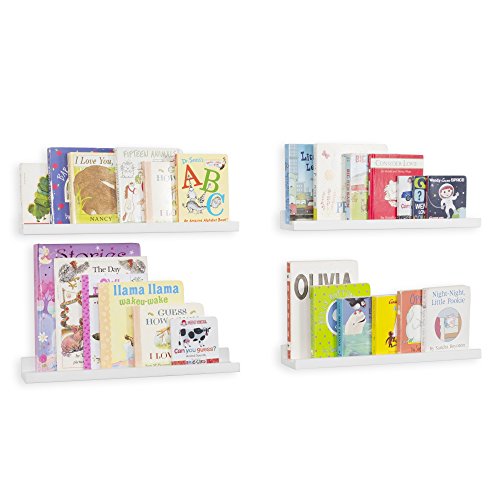
Sometimes you need a place to stash a notebook, a small succulent, and your current project folder without installing a full shelving unit. Wallniture Denver shelves provide that classic "floating" look that makes a room feel larger by keeping the floor and desk area open. They are sturdy enough to hold more weight than magnetic alternatives, making them a reliable workhorse.
Installation requires a bit more effort, as you will need to drill into the wall to ensure they are level and secure. However, the payoff is a dedicated "landing zone" for items that don’t have a home. They are particularly useful for students or remote workers who need to keep reference materials visible but off the desk.
Bottom line: If you have a bit of wall space above your monitor, these shelves offer a great balance of decorative appeal and functional storage. Just be sure to check your wall type before drilling to ensure they can handle the weight of your books.
U Brands Magnetic Wall File Organizer

We have all dealt with the "paper pile-up" that slowly creeps across the desk until there is no room left to type. The U Brands system is designed specifically to handle letter-sized documents, keeping your active files upright and accessible. The magnetic backing is a clever touch, allowing you to attach it to a filing cabinet or a metal-backed whiteboard.
This organizer is built for the high-volume worker who handles a lot of physical mail or printed reports. It is highly durable and resists the bending or warping often seen in cheaper plastic versions. While it leans toward a utilitarian office look, the functionality it provides is hard to beat for the price.
Bottom line: This is the most practical choice for those who struggle with paper management. It’s an inexpensive way to turn a dead wall space into a high-capacity filing station.
Pottery Barn Daily System Wall Modules
If you are looking for a "command center" approach that grows with your needs, these modular components are the gold standard. You can mix and match corkboards, mail slots, and small shelves to create a custom wall layout that fits your specific workflow. It is an investment, but the quality of materials—often wood or high-grade metal—means these will last for years.
The beauty of this system is its flexibility; you can start with one or two pieces and add more as your household needs evolve. It is perfect for a family home office where multiple people might share the same space. Because the pieces are modular, you can rearrange them seasonally as your projects change.
Bottom line: While the price point is higher, the durability and customization options make this a long-term solution. It is ideal for homeowners who want an organized look that feels like a permanent part of the room’s architecture.
Sorbus Wall Mounted File Holder Set

For those who need a lot of storage on a modest budget, the Sorbus file holder set is a reliable, no-nonsense option. These are typically sold in sets, allowing you to stack them vertically to maximize the space above your desk. They are lightweight, which makes them an easy DIY project for renters who don’t want to deal with heavy-duty anchors.
The open-wire design is a double-edged sword; it prevents dust from settling, but it also means small items can slip through the gaps. I recommend these for folders, magazines, and notebooks rather than loose office supplies like paperclips or pens. They are a classic solution for a home office that needs to scale up quickly.
Bottom line: You get a lot of storage for your money here. It is the best "bang for your buck" solution for organizing a large volume of paperwork in a small home office.
IKEA SKÅDIS Pegboard Organization Kit

The SKÅDIS system has become a favorite for good reason: it is arguably the most versatile organization tool on the market. With a wide array of hooks, clips, elastic bands, and small shelves, you can tailor your wall space to hold everything from headphones to charging cables. It is perfect for the "tinkerer" or anyone whose desk needs change frequently.
One thing to keep in mind is the "clutter trap." Because it is so modular, it is easy to over-accessorize, which can make a small room feel busy. Stick to a few core attachments to keep the look clean, and you will find it to be an incredibly efficient use of vertical space.
Bottom line: This is the ultimate choice for people who have a diverse set of needs. It is highly customizable, affordable, and fun to configure to your exact daily routine.
Mind Reader Mesh Wall File Organizer

Sometimes you just need a simple, durable place to put your folders and mail. The Mind Reader mesh organizer is a sturdy, powder-coated steel unit that is built to withstand daily use. Unlike plastic organizers that can crack or yellow over time, this steel mesh is designed to hold up under the weight of heavy files and binders.
It is a very "office-first" aesthetic, so it might not be the right fit if your desk is in your living room or bedroom. However, if your goal is pure functionality and long-term reliability, this is a solid contender. The mesh design also makes it easy to see exactly what is inside each slot at a glance.
Bottom line: It is a rugged, utilitarian choice that prioritizes function over form. If you need something that will survive years of heavy daily use without breaking the bank, this is a top-tier pick.
Key Factors for Choosing Wall Organizers
When selecting an organizer, start by auditing what you actually use on a daily basis. If you spend your day filing paperwork, a mesh file holder is a priority; if you are a creative who uses markers and tape, a pegboard will serve you better. Don’t buy an organizer for the "ideal" version of yourself—buy one for the person who actually sits at the desk every morning.
Consider your wall material, as this dictates your installation method. Drywall requires different anchors than brick or concrete, and renters should look for solutions that use adhesive strips or minimal screw holes. Always check the weight capacity of the organizer versus the weight of the items you plan to store.
Finally, think about the "reachability" of the space. You want your most frequently used items at eye level and within a comfortable arm’s reach. Items you use once a week can go higher up, while things you rarely touch should be stored elsewhere entirely to keep your immediate workspace clear.
How to Install Organizers on Drywall
Installing wall organizers on drywall is a straightforward task, but it requires the right hardware to prevent damage. For lightweight items, standard plastic wall anchors are usually sufficient. For heavier items, such as multi-tier file racks or shelving, you must use toggle bolts or molly bolts to ensure they don’t pull out of the wall over time.
Always use a level before you drill your final holes. A crooked organizer will make the entire room feel disorganized, no matter how tidy your desk is. If you are a renter, consider using heavy-duty adhesive hooks or strips if the organizer is light enough, as these can be removed without damaging the paint or drywall.
If you are unsure about the location of wall studs, buy a simple stud finder. Mounting your organizer directly into a stud provides the most secure hold possible. This is especially important for pegboards or shelves that will bear a significant amount of weight.
Maximizing Vertical Space in Small Rooms
In a small room, the walls are your most underutilized asset. By moving items off the desk and onto the wall, you create a "visual reset" that makes the room feel larger and less cluttered. The trick is to avoid "wall-to-wall" coverage, which can make a small space feel like a cramped cubicle.
Use the "Zone Method" to organize your wall: keep your active tasks at eye level, storage for supplies above that, and decorative or inspirational items at the very top. This creates a logical flow that helps your brain switch from "doing" mode to "planning" mode. Keep the area directly behind your monitor clear to avoid visual distraction while you work.
Remember that vertical storage doesn’t have to be permanent to be effective. If you are in a temporary living situation, look for over-the-door organizers or tension-rod systems that can be moved without leaving a trace. The goal is to create a system that supports your routine, not one that adds more chores to your day.
Transforming your small workspace is less about buying the most expensive gear and more about choosing tools that fit your specific workflow. By utilizing these vertical solutions, you can turn a cluttered desk into an efficient, organized hub. Take a moment to assess your most frequent tasks, choose the system that best supports them, and enjoy the newfound clarity in your home office.


