

7 Best Compost Bins For Shaded Areas To Use Now
Maximize your garden’s potential with these 7 top-rated compost bins designed for shade. Learn which models optimize decomposition in cooler, low-light spots.
Composting in a shaded backyard can feel like a challenge when you are used to hearing that piles need full sun to heat up. However, many homeowners find that a cooler, shaded spot actually prevents their compost from drying out too quickly during the summer months. Choosing the right bin for these conditions is the key to turning your kitchen scraps into black gold without the hassle.
Exaco ECO-2000: Best Overall for Shaded Gardens
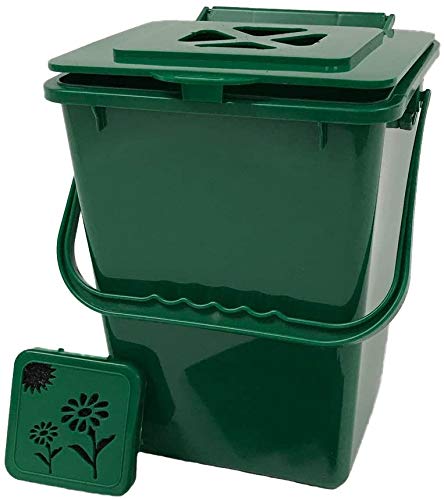

If you have a medium-sized backyard and want a bin that looks neat while hiding your scraps, the Exaco ECO-2000 is a fantastic choice. Its sleek, dark design blends perfectly into the shadows of a fence line or a tree canopy, making it an unobtrusive addition to your landscape.
This bin is constructed from thick, UV-stabilized polypropylene, which provides excellent insulation even when the ambient temperature is lower. Because it is a bottomless design, it allows beneficial earthworms and microbes to move freely from the soil into your pile, which is essential for decomposition in cooler, shaded areas.
The dual-lid system is a major convenience for busy households, allowing you to add materials on one side while the other side finishes curing. While it requires a bit of assembly, the robust construction ensures it will last for years, making it a reliable workhorse for any gardener.
Geobin Compost Bin: Best for Large Shade Spaces
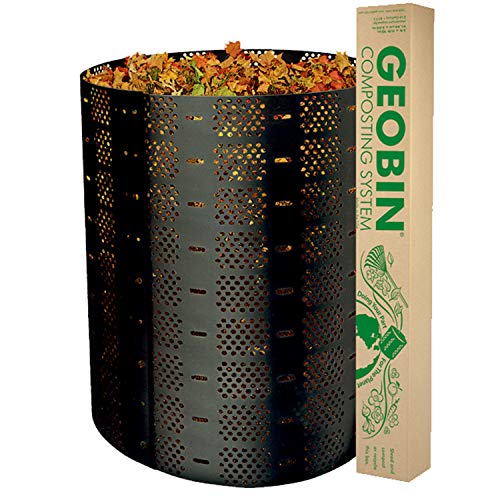
For those who have a large yard and generate significant amounts of lawn clippings and leaves, the Geobin is a practical, no-nonsense solution. It is essentially a large, adjustable plastic sleeve that you can expand to fit whatever space you have available under those shady trees.
Because it lacks a solid bottom or lid, it provides maximum airflow, which can be a double-edged sword in the shade. However, if you are managing a massive volume of material, this breathability prevents the pile from becoming anaerobic or sour in damp, shaded conditions.
It is incredibly affordable and stores flat during the winter, which is a huge win for homeowners with limited shed space. Just keep in mind that you will need to manually turn the pile with a pitchfork, as this is a passive system rather than a mechanical one.
FCMP Outdoor Tumbler: Best for Quick Decomposition
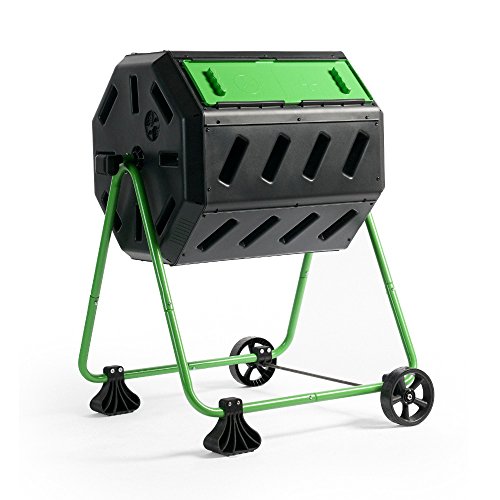
If you find that your compost pile in the shade is moving too slowly, a tumbler like the FCMP Outdoor model can provide the necessary agitation to speed things up. The enclosed drum design holds heat much better than an open pile, which compensates for the lack of direct sunlight.
The dual-chamber design is a real time-saver for families who want to keep adding scraps daily without disturbing the finished compost. You can fill one side while the other cooks, ensuring you always have a steady supply of nutrients for your garden beds.
The trade-off here is the physical effort required to rotate the bin, which can get heavy once it is full. If you have any mobility concerns, consider placing it on a level, paved surface to make the spinning action as smooth as possible.
Algreen Products Soil Saver: Best Insulated Bin

The Algreen Soil Saver is a heavy-duty option that feels more like a permanent fixture than a plastic bin. Its thick, insulated walls are perfect for shaded areas where you need to trap every bit of warmth generated by the composting process.
This bin is particularly great for households that want a "set it and forget it" solution, as it is very sturdy and resistant to pests. The locking lid is a thoughtful touch for those of us who deal with curious local wildlife like raccoons or squirrels in our backyard.
While it comes at a higher price point than basic bins, the durability is unmatched. It is a smart investment if you plan to compost year-round and want a bin that won’t crack or warp after a few seasons of cold weather.
Redmon Fine Living Compost Bin: Best for Small Spots

If you are a renter or have a small patio space that happens to be in the shade, the Redmon Fine Living bin is an excellent, compact choice. It has a small footprint but offers enough capacity for a couple or a small family’s daily kitchen waste.
The ventilation holes are strategically placed to ensure that even in a restricted space, your compost gets the oxygen it needs. It is lightweight, which makes it easy to move if you decide to rearrange your garden layout or move to a new home.
The main drawback is that it is quite light, so it can be prone to tipping if you live in a very windy area. You may want to weigh it down with a few heavy bricks at the base to keep it stable throughout the changing seasons.
Enviro World FreeGarden Earth: Best Budget Choice
The Enviro World FreeGarden Earth is the quintessential "starter" bin for anyone who wants to try composting without a large financial commitment. It is made from recycled materials and offers a simple, functional design that gets the job done without any unnecessary bells and whistles.
It is surprisingly effective in the shade because of its dark color, which absorbs what little light is available to help keep the internal temperature steady. It is also very easy to assemble, usually snapping together in just a few minutes without needing any special tools.
Because it is a budget-friendly option, the plastic is thinner than premium models, so it may not withstand heavy-handed use over many years. However, for a household looking for a practical, low-cost way to reduce waste, it is hard to beat the value.
Worm Factory 360: Best Vermicompost for Shade
Effortlessly transform food scraps into nutrient-rich compost with the VermiHut Plus 5-tray worm composter. Its innovative design features enhanced airflow and odor control for efficient vermicomposting indoors or outdoors.

Vermicomposting is a game-changer for shaded areas, especially if you have very little outdoor space or want to compost indoors during the winter. The Worm Factory 360 uses worms to break down scraps, which is a faster and more efficient process than traditional aerobic composting.
This system is stackable, meaning you can add more trays as your household waste increases. It is odorless when managed correctly, making it a perfect solution for a garage, basement, or a covered porch that stays in the shade.
Keep in mind that worms are living creatures and require a bit more "care" than a standard pile, such as monitoring moisture and avoiding certain acidic foods. If you are willing to learn the basics, it is the most rewarding way to turn scraps into high-quality fertilizer.
Why Shaded Locations Benefit Your Compost Pile
Many people believe that compost piles must be in the sun to work, but this is a common misconception. In hot climates, a pile in direct sun can actually bake and dry out, killing the beneficial bacteria that do the hard work of decomposition.
Shaded locations provide a more consistent, stable environment for your compost. This stability allows the microbial activity to continue steadily without the extreme fluctuations in temperature and moisture that occur in exposed areas.
If you choose a shady spot, you are effectively protecting your compost from the "feast or famine" cycle of extreme weather. This leads to a more predictable decomposition rate and often results in a richer, more uniform final product for your garden.
Essential Maintenance Tips for Cooler Composters
Because shaded piles don’t evaporate water as quickly as those in the sun, you must be careful not to let them become waterlogged. If your pile looks like a wet, soggy mess, add extra "browns" like shredded newspaper, cardboard, or dry leaves to soak up the excess moisture.
Regular aeration is even more important in the shade to prevent the pile from going anaerobic, which is what causes those unpleasant, sulfurous smells. Use a pitchfork or a dedicated compost aerator tool to turn the pile at least once every two weeks.
Lastly, keep an eye on the edges of the pile. In the shade, the outer layers can stay cold and unprocessed for a long time, so make sure to rotate the outer material into the center of the bin during your maintenance sessions.
How to Optimize Moisture Levels in Shady Areas
The "squeeze test" is the best way to gauge your compost’s health; grab a handful of material and squeeze it. It should feel like a wrung-out sponge, with only a drop or two of water appearing when you press hard.
If the pile is too dry, it won’t break down; if it is too wet, it will rot rather than compost. In a shady area, you might find you need to water your pile less frequently, but you should still check it during dry spells to ensure the microbes haven’t gone dormant.
If you find that your bin is constantly holding too much water, consider placing it on a layer of coarse twigs or straw. This creates a drainage layer at the bottom, ensuring that excess moisture can escape rather than pooling at the base of your bin.
Finding the right compost bin for a shaded area is all about balancing airflow, insulation, and your own physical capacity for maintenance. Whether you choose a simple bin or a mechanical tumbler, the most important step is simply getting started with a system that fits your daily routine. With a little patience, your shady corner will become the most productive part of your garden.
