7 Best Planners With Goal-Setting Worksheets for 2024
Boost your productivity in 2024 with our top 7 planner picks. Each features dedicated goal-setting worksheets to help you stay organized and reach your targets.
Finding the right planner is about more than just managing a calendar; it is about creating a reliable system that keeps your household running smoothly. Whether you are juggling work deadlines, school runs, or home maintenance, a dedicated space for your goals can transform daily chaos into manageable tasks. These seven options represent the most practical, time-tested tools available for staying organized in 2024.
Full Focus Planner: Best for Daily Productivity
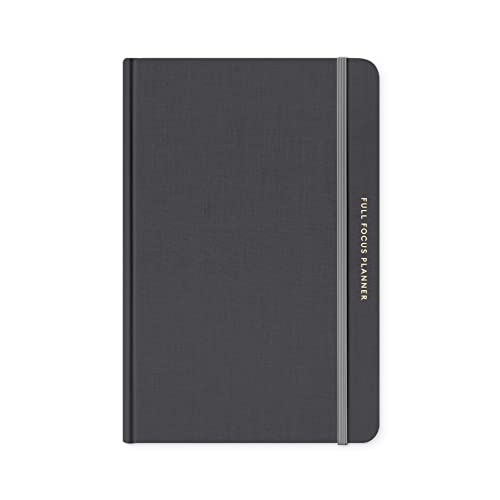

If you feel like your days are spent reacting to emergencies rather than making progress, this planner is designed to shift your focus. Created by Michael Hyatt, it emphasizes the "Big Three" tasks each day, which helps prevent the common mistake of overcommitting to a massive, unrealistic to-do list.
It is particularly effective for busy parents or professionals who struggle with decision fatigue by the time they get home. By forcing you to prioritize only three major outcomes, it keeps your energy directed toward what actually moves the needle.
Bottom line: This is a high-structure tool that works best if you are willing to commit 10 minutes every evening to plan the next day. It is a professional-grade solution that demands consistency to see real results.
Passion Planner: Best for Goal-Oriented People
Achieve your goals and live happier with this undated weekly and monthly planner. Its goal-setting frameworks and habit tracker help you stay organized, boost productivity, and build a balanced life. Features include A5 size, lay-flat binding, and a convenient pocket.

The Passion Planner is unique because it forces you to break down long-term dreams into actionable, bite-sized steps using its "Passion Roadmap." If you have a goal like renovating a kitchen or starting a side business, this planner helps you map out the timeline on paper.
The layout includes a weekly view with hourly slots, which is perfect for visual learners who need to see how their daily chores fit into their broader life goals. It bridges the gap between a standard appointment book and a life-coaching guide.
Bottom line: If you often feel like you have "big ideas" but no way to execute them, this is your best bet. Be aware that the pages are dense, so it may feel overwhelming if you prefer a minimalist, airy layout.
Clever Fox Planner: Best for Habit Tracking
For those who want to improve their health, save money, or finally establish a cleaning routine, the Clever Fox Planner is an excellent partner. It features dedicated sections for habit tracking, which allows you to visually mark your progress on things like daily exercise or water intake.
It is a great choice for renters or homeowners who are trying to build new systems within their living space. The inclusion of stickers and a back pocket makes it feel more like a personalized project binder than a rigid corporate diary.
Bottom line: This is arguably the most user-friendly option for beginners who want to gamify their personal growth. It offers a lot of value for the price point, though the paper quality is functional rather than luxurious.
Panda Planner Pro: Best for Wellness and Focus
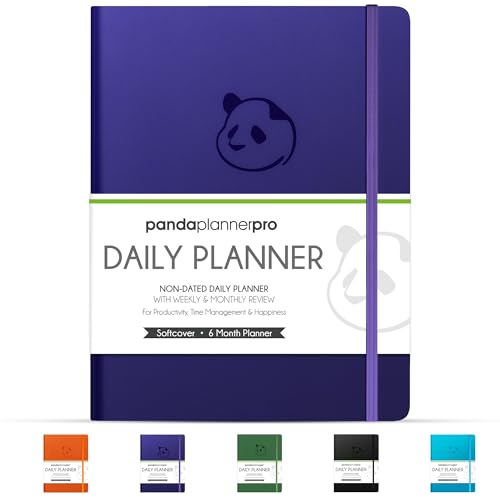
Many people forget that productivity is tied directly to mental well-being, and the Panda Planner addresses this by integrating gratitude and reflection prompts. Each day begins with a section for what you are grateful for, which helps set a positive tone before you tackle your household chores.
This planner is divided into three sections—daily, weekly, and monthly—allowing you to zoom in on today’s tasks or zoom out to see the month ahead. It is a fantastic choice if you struggle with burnout or find yourself feeling anxious about your mounting to-do list.
Bottom line: If your goal is to balance professional output with self-care, this is the most holistic option. It is slightly bulkier than other planners, so make sure you have a dedicated spot on your nightstand or desk for it.
Erin Condren LifePlanner: Best for Customization
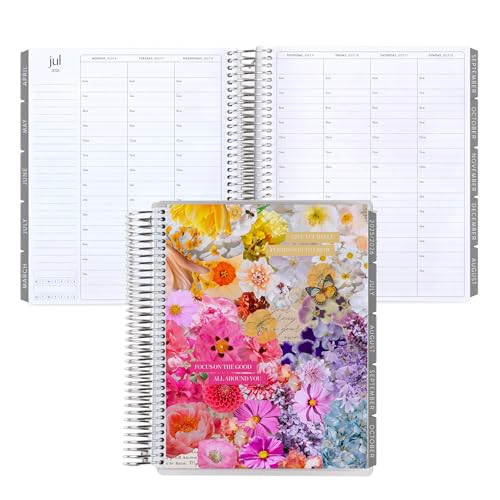
If you view your planner as a creative outlet as much as a scheduling tool, the Erin Condren system is the industry standard. With various layout options—like hourly, vertical, or horizontal—you can choose the format that best fits your specific brain type.
The ability to swap out covers and add functional accessories like snap-in meal planners or budgeting inserts makes it incredibly versatile. It is a favorite for families managing multiple schedules because you can color-code sections for different household members.
Bottom line: This is a premium investment that shines if you enjoy personalizing your workspace. While it is more expensive, the durability of the coil binding and paper quality justifies the cost for daily users.
Hobonichi Techo Planner: Best for Daily Detail
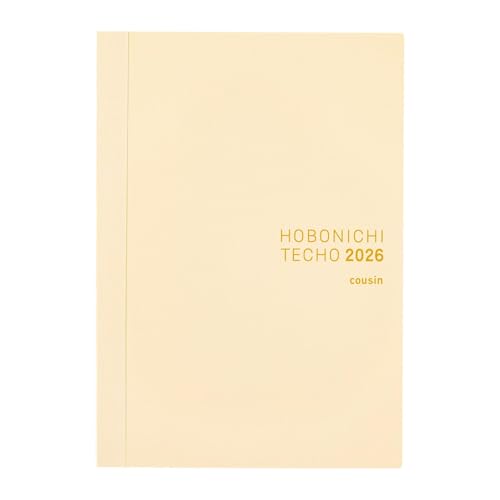
The Hobonichi Techo is a Japanese-made planner that uses incredibly thin yet durable Tomoe River paper. This allows you to fit an entire year of detailed notes, sketches, and schedules into a book that is surprisingly slim and easy to carry in a purse or laptop bag.
It uses a grid layout that provides structure without being restrictive, making it ideal for those who like to combine journaling with task management. If you live in a small apartment and value desk space, this compact footprint is a major advantage.
Bottom line: This is for the detail-oriented person who wants to document their life as much as manage it. It is a minimalist’s dream, but keep in mind that the thin paper requires a specific type of pen to avoid bleed-through.
Legend Planner Deluxe: Best for Life Alignment

The Legend Planner is designed to help you organize your life by focusing on your "why." It includes worksheets at the beginning to help you define your vision, which then filters down into your monthly and weekly planning sessions.
It is particularly useful for people who feel like their daily tasks have drifted away from their core values. The layout is clean, professional, and free of unnecessary fluff, making it a great choice for a home office environment.
Bottom line: If you want a planner that acts as a life coach, this provides the most guidance. It is a practical, no-nonsense tool that helps you stay grounded in your long-term objectives.
How to Choose the Right Layout for Your Goals
Choosing a layout depends entirely on how your brain processes time. If you have a rigid schedule with back-to-back appointments, an hourly vertical layout is essential to prevent double-booking your time.
If you are more task-driven and prefer to check things off as you go, a horizontal or checklist-style layout will be much less frustrating. Do not force yourself into a layout just because it looks popular on social media; choose the one that makes your daily routine feel easier, not more complicated.
Bottom line: Look at your current calendar and identify where you lose the most time. If it’s during the day, get an hourly planner; if it’s on chores, get a task-based planner.
Paper vs. Digital: Finding Your Best Workflow
There is a common misconception that digital is always faster, but for many, the act of writing by hand helps with memory retention and focus. A paper planner keeps your goals visible on your desk, whereas a digital app is often just another tab hidden behind your email.
However, if you are constantly on the move or need to sync schedules with a partner, a digital app is undeniably more convenient. Many people find that a "hybrid approach"—using a digital calendar for appointments and a paper planner for goals—is the most sustainable solution for busy households.
Bottom line: If you find yourself ignoring your planner, it is likely because it is not integrated into your environment. Choose the medium that you actually enjoy interacting with every morning.
Tips for Staying Consistent With Your Planner
Consistency is the biggest hurdle for new planner users, so start by keeping your planner in the exact same spot every day. If you have to hunt for your planner, you will eventually stop using it; treat it like a household appliance that has a permanent home on your desk or nightstand.
Don’t worry about making it look perfect or "Instagram-worthy." A messy, well-used planner is a sign of a productive life, while a pristine, empty planner is just an expensive notebook.
Bottom line: Aim for "done" rather than "perfect." If you miss a week, just turn the page and start again; your planner is there to serve your life, not the other way around.
Selecting the right planner is a personal investment in your own peace of mind and daily efficiency. By matching your specific organizational needs with the right layout, you can finally clear the mental clutter that comes with managing a home. Choose the tool that feels most natural to your routine, and remember that the best planner is simply the one you actually use.