
7 Best Vinyl Placemats for Lake House Dining
Discover 7 durable placemats perfect for lake house dining. We evaluate materials that resist moisture and wear, ensuring long-lasting style for your home.
Lake house living is all about relaxing by the water, but the humidity and constant traffic can be tough on your dining furniture. Choosing the right placemats helps protect your table surfaces while adding a touch of lakeside charm to your daily meals. These seven selections balance durability and style to ensure your dining area stays beautiful season after season.
Chilewich Pressed Vinyl: Best for Water Resistance
If your dining table is frequently covered in wet swimsuits or dripping glasses from the dock, Chilewich is the industry standard for a reason. These pressed vinyl mats are essentially impervious to water, meaning they won’t warp, rot, or harbor mildew even in damp lake environments.
The intricate, lace-like patterns allow small spills to pass through, but because the material is non-porous, a quick rinse in the sink is all it takes to keep them looking brand new. They are incredibly thin, which makes them perfect for smaller lake cottages where storage space is at a premium.
While they carry a higher price tag than basic plastic mats, their longevity justifies the investment. They won’t fray at the edges or fade under direct sunlight streaming through large lake-facing windows.
Pimpernel Cork-Backed: Best for Heat Protection
For families who love serving hot, family-style meals directly from the oven to the table, cork-backed placemats are a functional necessity. The thick, rigid construction provides a significant thermal barrier, preventing heat rings from damaging your wood or veneer surfaces.
These mats feature a sealed top layer that is surprisingly easy to wipe down after a messy dinner. Because they are heavy and stiff, they stay firmly in place, which is a major advantage if you have young children or pets bumping the table.
Keep in mind that these are not waterproof; if you leave them sitting in a puddle of spilled water, the edges can eventually swell. Use them for your formal dining area or the main kitchen table where you want both protection and a classic, polished aesthetic.
Benson Mills Vinyl: Best for Easy Spill Cleanup
When you are hosting a house full of guests or managing a busy family vacation, you don’t want to spend your time scrubbing linens. Benson Mills vinyl placemats are designed for high-traffic areas where spills are an hourly occurrence rather than an occasional accident.
The surface is completely smooth and non-absorbent, allowing you to wipe away everything from spilled red wine to sticky syrup with a single damp cloth. They are essentially "set it and forget it" mats that handle the chaos of summer entertaining with ease.
While they lack the soft, tactile feel of woven fabric, their utility is unmatched for a rental property or a home with frequent visitors. They offer a clean, tidy look that keeps your dining area looking organized even when the rest of the house feels lived-in.
Deborah Rhodes Braided: Best for Rustic Texture
If your goal is to lean into the "cabin in the woods" aesthetic, braided placemats offer a cozy, tactile warmth that synthetic materials simply cannot replicate. They add a layer of visual interest to plain wooden tables, making every meal feel a bit more intentional and rustic.
These mats are typically made from durable fibers that hold up well to daily use, though they do require a bit more attention than vinyl. You will want to shake them out regularly to remove crumbs that get trapped in the braided weave.
They are best suited for indoor dining rooms where humidity is controlled, as natural fibers can be prone to mold if left in damp, unventilated spaces. If you want that classic lake house look, these are the gold standard for style.
Town & Country Living: Best for Casual Dining
Town & Country Living provides a fantastic middle ground for those who want the look of fabric without the high-maintenance requirements of traditional cotton linens. These mats often feature treated fabrics that resist stains and repel moisture better than standard home textiles.
They are lightweight and flexible, making them easy to stack in a small drawer or even a side cabinet. This makes them an excellent choice for apartment-style lake living or smaller seasonal cottages where storage is limited.
The variety of patterns—ranging from nautical stripes to soft, muted earth tones—allows you to change the mood of your dining space based on the season. They are machine washable, which is a lifesaver for long-term stays where you need to refresh your linens frequently.
Fab Habitat Recycled: Best for Outdoor Decks
Lake house living often spills out onto the deck, and you need a placemat that can handle the elements. Fab Habitat mats are crafted from recycled polypropylene, making them virtually indestructible against sun, rain, and accidental drops on the patio.
Because they are made from plastic straws that are woven together, they won’t hold onto moisture, and any food debris can be hosed off in seconds. They are specifically engineered to withstand the harsh UV rays that cause other materials to bleach and brittle over time.
While they are definitely more casual in appearance, they are the most practical solution for outdoor dining. They are lightweight enough to carry from the kitchen to the dock, ensuring you always have a clean place to set your plate.
Unique Loom Woven: Best for Lake House Style
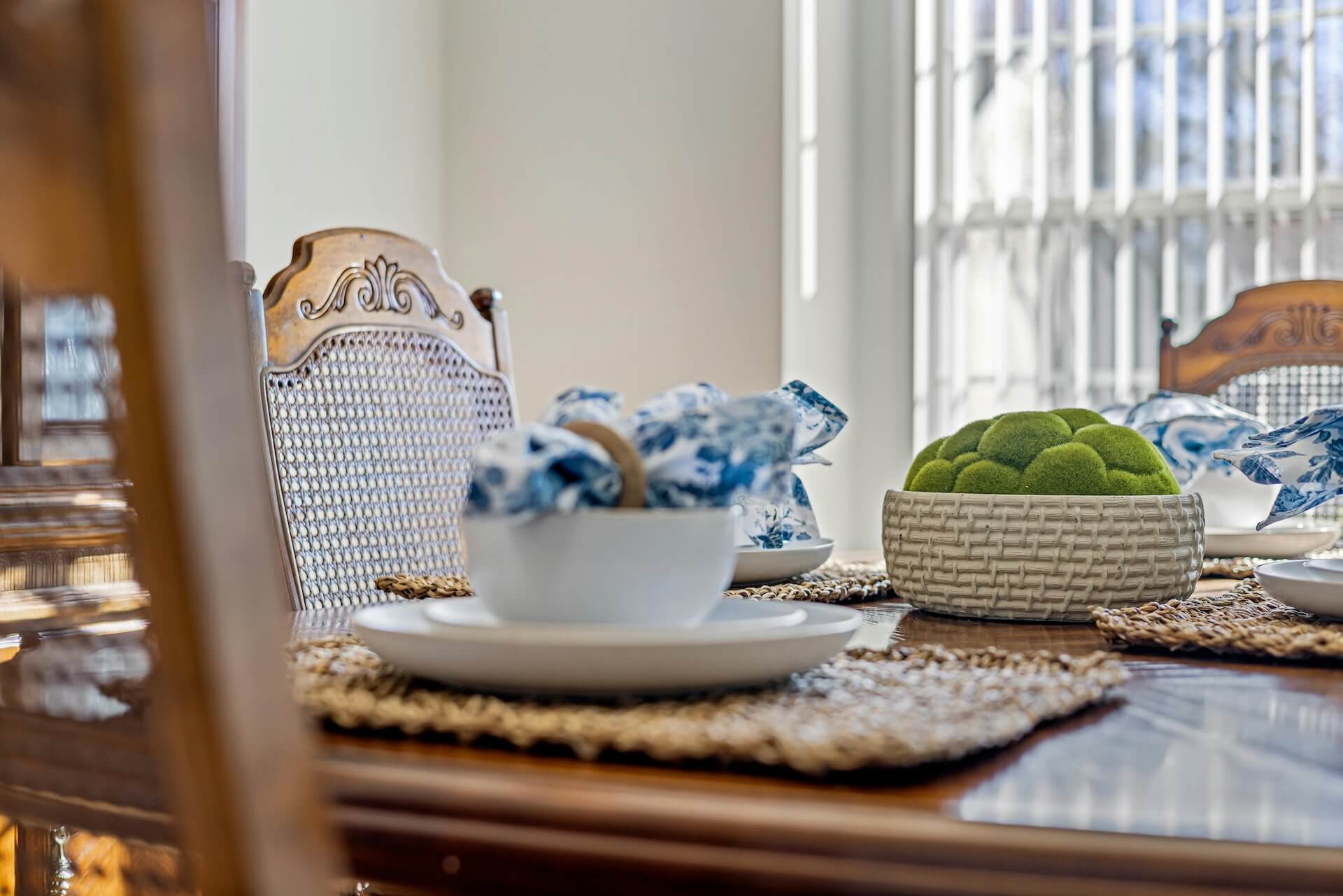
Unique Loom offers a variety of woven options that mimic the look of natural seagrass or jute but are often constructed from more durable, easy-to-clean synthetic blends. This gives you the best of both worlds: the organic, coastal aesthetic and the resilience required for a lake environment.
These mats provide a sophisticated, layered look that elevates a simple table setting. They are sturdy enough to withstand daily use but look elegant enough for a weekend dinner party with neighbors.
Be sure to check the specific material composition, as some are better suited for indoor use than others. If you are looking to tie your interior decor together with a cohesive, nature-inspired theme, these are an excellent choice.
How to Choose Placemats for Humid Lake Climates
The biggest challenge in a lake house is managing moisture, which can lead to warping, mold, and unpleasant odors. When shopping, prioritize materials like vinyl, polypropylene, or treated synthetic blends that do not absorb water.
Avoid thick, heavy cotton or porous natural fibers if your dining area is not climate-controlled during the off-season. If you must use fabric, ensure it is a synthetic-cotton blend that can be easily washed and dried completely before storage.
- Check the backing: Avoid felt or cardboard backings, as these will absorb humidity and eventually degrade.
- Prioritize airflow: If you live in a very humid area, choose mats with a slight weave or texture that allows for minor airflow underneath.
- Consider weight: Heavier mats are better for breezy outdoor decks, while lighter, flexible mats are better for indoor storage.
Cleaning Tips for Long-Lasting Table Linens
The longevity of your placemats depends entirely on your cleaning routine. For vinyl and plastic mats, a simple mixture of mild dish soap and warm water is sufficient to remove most stains and food residue.
Avoid using harsh abrasive sponges or scouring pads, as these can create micro-scratches where bacteria and food particles can hide. Instead, use a soft microfiber cloth to wipe the surface and follow up with a dry cloth to prevent water spots.
- Spot clean immediately: Don’t let spills sit, especially on fabric-based mats, to prevent long-term staining.
- Air dry thoroughly: Regardless of the material, always ensure your placemats are completely dry before stacking them away.
- Machine wash sparingly: If your mats are machine washable, use a gentle cycle and skip the high-heat dryer, which can shrink or warp the edges.
Storing Your Placemats During the Off-Season
When the lake season ends, proper storage is the key to preventing damage while the house sits empty. Never store placemats while they are even slightly damp, as this is the primary cause of mold growth in seasonal homes.
Store flat whenever possible to prevent the edges from curling or the mats from developing permanent creases. If you have limited space and must stack them, place a sheet of parchment paper or a clean cotton towel between each mat to prevent them from sticking together or transferring dyes.
- Use breathable containers: Avoid plastic bins that seal completely, as these can trap moisture and cause mildew.
- Choose a cool, dry location: Avoid storing them in areas prone to temperature swings, like an uninsulated attic or a damp basement.
- Label and rotate: If you have different sets for summer and autumn, label your storage bins so you can easily rotate them next year.
Investing in high-quality placemats transforms your lake house dining experience from a chore into a seamless part of your relaxation. By choosing materials that align with your specific environment and maintenance habits, you can keep your table protected for years to come. Remember that the best placemat is the one that fits your lifestyle, allowing you to spend less time cleaning and more time enjoying the view.


