7 Best BPA-Free Plastic Wrap Alternatives for Kitchens
Ditch plastic wrap with these 7 BPA-free alternatives. From beeswax wraps to silicone lids, discover sustainable, safe ways to keep your food fresh at home.
We have all stood in front of an open refrigerator, wrestling with a roll of plastic wrap that refuses to tear straight or stick to anything but itself. Moving away from single-use plastics isn’t just about environmental impact; it is about reclaiming your sanity and upgrading your daily kitchen workflow. These seven alternatives offer practical, durable solutions that fit seamlessly into the rhythm of a busy household.
Bee’s Wrap Sustainable Beeswax Food Wraps
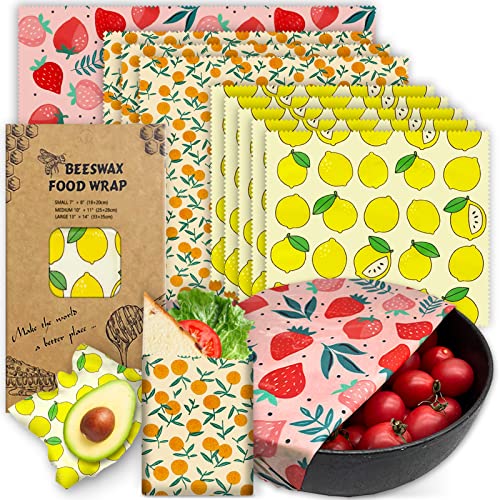

If you find yourself constantly wrapping half-cut lemons, blocks of cheese, or bowls of leftover salad, Bee’s Wrap is a reliable staple. These wraps use the warmth of your hands to soften the wax, allowing them to mold perfectly around various shapes. They are a fantastic space-saver for apartment dwellers because they store completely flat in a drawer.
However, keep in mind that beeswax wraps are not suitable for raw meat or fish, as they cannot be washed in high-heat water. You will need to hand-wash them with cool water and mild soap, then let them air dry. They eventually lose their stickiness after a year or so of heavy use, which is a trade-off for their compostable nature.
Bottom line: These are ideal for dry goods and produce, offering a natural feel that plastic simply cannot replicate.
Stasher Platinum Silicone Reusable Storage Bags

Stasher bags are the heavy lifters of the kitchen, perfect for households that rely on meal prepping or freezing bulk ingredients. Because they are made from high-grade platinum silicone, they can go from the freezer to the microwave or even a sous-vide bath without breaking a sweat. Their flat-bottom design helps them stand upright in smaller fridges, maximizing your shelf space.
The main hurdle for many users is the initial price point, which is significantly higher than a box of disposable bags. Think of these as a long-term investment rather than a single-use purchase. They are dishwasher safe, which makes the cleanup process much less of a chore after a busy weeknight dinner.
Bottom line: If you want a "buy it for life" solution that handles extreme temperatures, Stasher is worth the upfront cost.
Food Huggers Reusable Silicone Food Savers
Keep produce fresh longer with these reusable silicone Food Huggers. Their patented design creates an airtight seal on cut fruits and vegetables, reducing waste and eliminating the need for plastic wrap. BPA-free and dishwasher safe for easy cleanup.

We have all dealt with the "half-onion problem" where a small portion of produce sits in the fridge, drying out and absorbing odors. Food Huggers are brilliant, simple silicone rings that stretch over cut fruits and vegetables to create a tight, airtight seal. They take up almost zero room in your kitchen and are much faster to apply than wrapping an entire item in foil.
Because they come in various sizes, they are incredibly versatile for everything from cucumbers to large melons. They are particularly helpful for small households where you aren’t always using a full onion or tomato at once. Just be sure to dry your produce before applying them, as they work best on clean, dry surfaces.
Bottom line: These are the most convenient, low-effort tools for reducing food waste in the produce drawer.
Abeego Natural Beeswax Food Storage Wraps
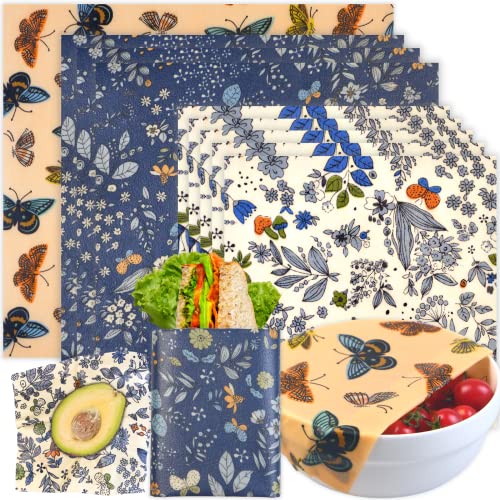
Abeego takes a slightly different approach to the beeswax wrap, focusing on a weave that allows food to "breathe" while staying protected. This makes them excellent for items like artisan bread or fresh herbs that tend to get soggy in airtight plastic. They feel a bit more substantial and grippy than other wax wraps, which helps when sealing oddly shaped containers.
Like other wax-based products, you must avoid heat sources like the dishwasher or microwave. If you live in a very hot climate, you might find they get a bit tacky if stored in a warm pantry. They are a beautiful, tactile choice for those who prefer natural fibers over synthetic materials.
Bottom line: Choose these if you prioritize keeping your produce fresh and breathable rather than perfectly airtight.
Ziploc Endurables Silicone Food Storage Pouches
Store, freeze, reheat, and serve with Ziploc Endurables Large Pouches. These durable, reusable silicone bags hold 8 cups and feature Cool Grab Tabs and Secure Seal Technology for safe, spill-free use in the freezer, oven, and microwave.

If you are already comfortable with the Ziploc brand, their Endurables line acts as a sturdy, high-heat bridge between disposables and premium silicone. These pouches are designed to be quite flexible, making them easy to squeeze into crowded freezer shelves or tight lunch bags. The wide opening makes them much easier to clean by hand than narrower storage bags.
They are a bit more budget-friendly than some of the boutique silicone brands, making them a great entry point for families. While they are durable, the seal requires a firm press to ensure it is locked, so double-check before tossing them into a bag. They are a solid "workhorse" option for daily leftovers.
Bottom line: A practical, accessible choice for families who need durable storage without the premium price tag.
CoverBlubber Reusable Food Storage Covers

CoverBlubber is essentially the "shower cap" of the kitchen, designed to stretch over bowls, plates, or even directly onto large pieces of fruit. The material is incredibly stretchy and sticky, which allows it to conform to square containers or irregular ceramic dishes that standard lids won’t fit. They are a life-saver when you have run out of matching Tupperware lids.
The material is quite thin, so you should be careful not to puncture it with sharp utensils or fingernails. They are best suited for room-temperature or refrigerated items rather than high-heat applications. They are a fantastic solution for renters who might have a mismatched collection of kitchenware and need a universal sealing solution.
Bottom line: Use these when you need a quick, universal cover for bowls that have lost their original lids.
W&P Porter Silicone Stretch Lids Set
If you are tired of searching for the right lid for your glass storage containers, this set of stretch lids is a game changer. They provide a secure, vacuum-like seal that is much more reliable than plastic wrap for liquids or soups. Because they are made from thick, durable silicone, they stack well in the fridge, which is perfect for organized, small-space kitchens.
These lids are dishwasher safe and won’t warp or stain like cheaper plastic alternatives. They do require a bit of practice to stretch onto the container correctly, especially for beginners. Once you master the technique, they provide a level of security that makes them worth the effort.
Bottom line: The best choice for those who want a spill-proof seal on their existing glass or ceramic containers.
Why Choose Silicone Over Traditional Plastic
Silicone is a synthetic rubber that is far more durable and heat-resistant than traditional petroleum-based plastics. Unlike plastic wrap, which can leach chemicals when heated, high-quality silicone is generally considered inert and BPA-free. This makes it a safer choice for reheating leftovers in the microwave or storing acidic foods.
From a long-term perspective, silicone is a clear winner for your wallet. While the initial investment is higher, you are replacing hundreds of rolls of disposable wrap over the course of a few years. It also simplifies your kitchen storage, as you don’t need to find room for bulky boxes of plastic wrap or foil.
How to Properly Clean Your Reusable Wraps
- Silicone: Most silicone bags and lids are dishwasher safe, but placing them on the top rack prevents potential warping. If they get greasy, a soak in hot, soapy water with a splash of vinegar usually does the trick.
- Beeswax: Never use hot water, as it will melt the wax coating and ruin the wrap. Use cool water and a mild, alcohol-free dish soap, then hang them to dry.
- Maintenance: If your beeswax wraps lose their grip, you can often refresh them by placing them in a low-heat oven on parchment paper for a few minutes to redistribute the wax.
Best Practices for Sealing Leftovers Securely
The key to keeping food fresh is minimizing air exposure. When using silicone bags, try to squeeze as much air out as possible before sealing the final corner to prevent freezer burn. If you are using stretch lids or covers, ensure the rim of your container is completely dry; moisture on the surface can prevent the silicone from creating a tight seal.
Always allow hot food to cool to room temperature before sealing it. Trapping steam inside a silicone bag or under a lid can lead to condensation, which encourages bacterial growth and soggy leftovers. By cooling first and sealing second, you ensure your food stays fresh and safe until you are ready to eat it.
Transitioning to reusable kitchen storage is a process of trial and error, so don’t feel pressured to replace everything at once. Start with one or two items that solve your biggest daily frustrations, such as a set of stretch lids or a few silicone bags. Over time, you will find a system that works for your household, saving you money and reducing your reliance on disposable waste.