7 Best Heat-retaining Stone Bread Baskets for Warmth
Discover the 7 best stone bread baskets designed to lock in heat. Learn how these essential kitchen tools keep your loaves warm and delicious for longer.
There is nothing quite as comforting as a slice of crusty, warm bread served right at the dinner table. If you find your homemade loaves cooling down before the meal even begins, a heat-retaining stone is the simple, low-tech solution you need. These tools turn a standard bread basket into a functional warming station, keeping your dinner rolls soft and your artisan boules fresh until the last bite.
Emile Henry Flame Ceramic Bread Warmer Review
If you frequently host Sunday dinners or large family gatherings, the Emile Henry Flame ceramic warmer is a standout choice. This piece is designed to be placed directly in the oven, where it absorbs heat slowly and releases it with impressive consistency. Because it is made from high-fired Burgundy clay, it is exceptionally durable and resistant to the thermal shock that often cracks cheaper ceramics.


One of the best features of this warmer is its versatility. Unlike flat tiles, it often comes with a subtle texture or design that allows for better airflow beneath the bread, preventing the bottom crust from becoming soggy. It is also aesthetically pleasing enough to sit directly on a dining table, eliminating the need to transfer your bread to a secondary serving dish.
However, consider your storage space before investing. This is a substantial, heavy piece of kitchenware that requires a dedicated spot in your cabinets. If you live in a small apartment with limited drawer space, you might find its bulk a bit challenging to manage compared to thinner, flatter alternatives.
Fox Run Marble Bread Warming Stone Selection
Marble is a classic material for a reason, and the Fox Run warming stone brings a touch of elegance to the table. Marble has a natural ability to hold onto warmth for extended periods, making it ideal for long, lingering meals. It is a fantastic option for those who want a product that looks just as good on a buffet line as it does inside a bread basket.

The primary benefit here is the weight and density of the stone. It provides a very stable base for your bread, which is helpful if you are serving a large, uncut loaf that needs a sturdy foundation. Because it is a natural stone, each piece has unique veining, making it a beautiful conversation starter for guests.
Be mindful that marble is porous and can be susceptible to staining if it comes into direct contact with oily or buttery crusts. I recommend using a cloth liner between the stone and your bread to protect the surface. It is a low-maintenance, high-style choice for those who value form as much as function.
Norpro Ceramic Bread Warming Tile Overview
For those who are just starting their journey into bread baking or want a budget-friendly way to upgrade their table service, the Norpro ceramic tile is a practical workhorse. It is compact, lightweight, and incredibly easy to handle. If you have a small kitchen or limited storage, this is likely your best bet, as it can easily slide into a narrow cabinet or even a drawer.

The tile is designed to be heated in the oven and then tucked into the bottom of a fabric-lined basket. It does exactly what it promises: it keeps your rolls or sliced bread at a comfortable, warm temperature without any fuss. It is a no-frills tool that prioritizes utility over design, making it perfect for everyday family meals.
While it lacks the heavy-duty heat retention of thicker stones, it is more than sufficient for a standard 30-to-60-minute dinner service. If you are looking for a reliable, inexpensive solution that gets the job done without taking up valuable real estate, this is a solid addition to your kitchen toolkit.
Mason Cash Terracotta Bread Warmer Analysis
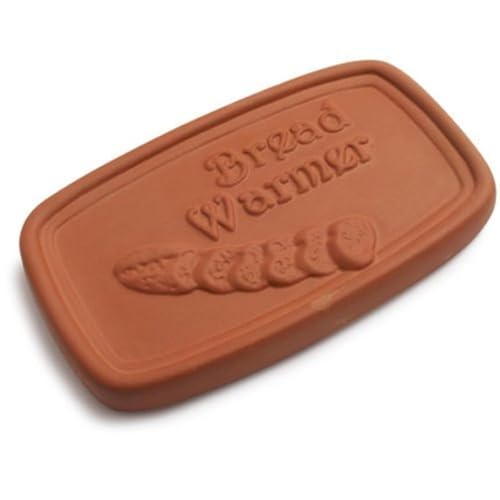
Mason Cash is a heritage brand, and their terracotta bread warmer feels like a piece of culinary history. Terracotta is famous for its ability to absorb moisture, which is a unique advantage when it comes to bread. By wicking away just enough excess humidity, this warmer helps keep your crust crispy while ensuring the interior of the bread stays soft and warm.
This is an excellent choice for those who bake their own artisan sourdough or crusty baguettes. The porous nature of the clay is a functional feature, not just a design choice. It creates a micro-climate in your bread basket that keeps the texture of the bread closer to how it was when it first came out of the oven.
Keep in mind that terracotta is more fragile than glazed ceramic or marble. It can crack if dropped on a hard tile floor, so handle it with the same care you would a favorite mixing bowl. It is a specialized tool that rewards the user with a superior bread-eating experience.
HearthStone Ceramic Bread Warming Plate

The HearthStone plate is engineered for those who want professional-grade performance in a home setting. It features a specialized ceramic composition designed for high thermal mass, meaning it stays hot longer than almost any other material in its size class. If you tend to have long, multi-course meals where the bread sits out for an hour or more, this plate is a reliable companion.
Its design is usually simple and flat, allowing it to fit into a variety of basket shapes and sizes. This flexibility is a major plus for renters or homeowners who might change their serving decor frequently. You aren’t tied to a specific basket shape; as long as the plate fits, you are good to go.
Because of its high performance, it does require a bit more attention during the preheating process. Make sure to heat it gradually in your oven to avoid thermal shock. If you are a serious bread lover who values consistency above all else, this plate is a worthwhile investment.
Sur La Table Bread Warming Stone Features
Sur La Table’s offering is a great example of a balanced product that hits the sweet spot between price, durability, and convenience. These stones are usually glazed, which makes them incredibly easy to clean compared to porous terracotta or raw marble. If you are worried about crumbs or oils getting stuck in the surface of your warmer, this is the most hygienic and low-maintenance option.
The size is generally quite generous, making it suitable for larger baskets or even rectangular serving platters. This is a great "set it and forget it" tool for busy households where you don’t want to worry about delicate cleaning procedures. It is sturdy enough to withstand years of regular use without showing significant wear.
If you have a busy household with kids or pets, the durability of this glazed ceramic is a significant advantage. It won’t stain, it won’t absorb odors, and it can be wiped clean in seconds. It is the practical choice for the modern, busy home.
King Arthur Baking Bread Warming Stone

When you buy from a company that specializes in flour and baking, you can expect their warming stone to be designed with the baker in mind. The King Arthur stone is often thicker than standard tiles, providing superior heat retention for heavy loaves. It is designed to be placed in the oven during your bread’s final bake, so it is already hot by the time you are ready to serve.
This stone is particularly good for those who bake large, dense loaves that need extra help staying warm. The thickness provides a steady, gentle heat that won’t dry out the bread. It is a professional-grade tool that brings a little bit of the bakery experience into your own dining room.
While it is a heavier piece, the performance benefits are undeniable for anyone who takes their home baking seriously. It is an investment in the quality of your meals, proving that the right tool can make a noticeable difference in how your food is enjoyed.
How Heat-Retaining Stones Keep Bread Fresh
Heat-retaining stones work by acting as a thermal battery for your bread basket. By preheating the stone, you create a controlled environment that maintains a steady temperature, preventing the bread from reaching room temperature too quickly. This keeps the starches in the bread from recrystallizing, which is the primary cause of bread going stale or feeling "tough."
- For soft rolls: The stone keeps the interior moist and prevents them from drying out in the air.
- For crusty loaves: The stone helps maintain the crispness of the crust by preventing the bread from sitting in its own trapped steam.
- For sliced bread: It provides a warm base that keeps the entire stack at an even, appetizing temperature.
It is a common misconception that these stones "cook" the bread further; in reality, they simply delay the cooling process. By slowing down heat loss, you ensure that every slice feels as fresh as it did when you pulled it from the oven. It is a simple physical principle that yields big results for your dinner table.
Tips for Preheating Your Bread Warming Stone
Preheating is the most critical step in using your stone effectively, but it must be done safely. Always place your stone in a cold oven and let it heat up gradually as the oven reaches your desired temperature. This prevents the stone from cracking due to rapid expansion, a common issue with ceramic and stone materials.
- Temperature: Aim for 200°F to 250°F; you don’t need it to be scorching hot, just warm enough to hold heat.
- Safety: Always use heavy-duty oven mitts when removing the stone, as it will retain heat for a long time.
- Placement: Use a trivet or a thick cloth liner at the bottom of your basket to protect the basket material from the heat of the stone.
If you are baking bread, you can often place the stone in the oven during the last 15 minutes of the bake. This is the most efficient method, as it utilizes the energy you are already using to bake the bread. Just ensure you have a safe, heat-resistant surface ready to receive the stone when you take it out.
Best Practices for Cleaning Ceramic Stones
Cleaning your bread warming stone depends largely on the material, but the golden rule is to avoid harsh chemicals or excessive soaking. For glazed ceramic stones, a simple wipe with a damp cloth and mild dish soap is usually sufficient. Since they are glazed, they are resistant to absorbing oils or odors, making cleanup very straightforward.
For unglazed terracotta or natural stone, avoid soap entirely if possible, as these materials are porous and can absorb the scent of the detergent. Instead, use a stiff-bristled brush to remove any loose crumbs and wipe it down with plain, warm water. If you do get a stubborn stain, a paste made of baking soda and water can help lift it without damaging the stone.
Always allow your stone to air dry completely before storing it away. Storing a damp stone can lead to mold or mildew, especially if you tuck it away in a dark cabinet. If you follow these simple steps, your stone will last for years, providing warm bread for countless meals to come.
Investing in a bread warming stone is a small change that yields a massive improvement in your dining experience. Whether you choose a durable glazed ceramic or a rustic terracotta piece, you are prioritizing the comfort of your family and the quality of your home-cooked meals. Pick the option that best fits your storage and lifestyle needs, and enjoy the simple pleasure of warm bread every single time.