
8 Best Cotton Balls for Craft Projects That Hold Glue
Discover the top 8 cotton balls for crafting. We evaluate texture and absorbency to help you find the best options that hold glue securely for your projects.
Finding the right cotton ball for a craft project is often an overlooked detail that makes the difference between a masterpiece and a messy disaster. Whether you are building school dioramas with your kids or creating custom home decor, the way a cotton ball interacts with adhesive is crucial. This guide helps you navigate the options so you can focus on the fun of creating rather than the frustration of falling materials.
Swisspers Premium Cotton Rounds for Glue Bonding


When you are working on flat surfaces or need to create layers, these rounds offer a distinct advantage over traditional spherical balls. Their structured, circular shape provides a larger surface area for glue application, which is ideal for projects like wall art or fabric-based collages.
Because they are multi-layered and stitched, they hold their shape better than loose cotton when saturated with white glue or tacky glue. This prevents the "sagging" effect that often happens when a cotton ball gets too heavy with moisture.
Aleene's Original Tacky Glue offers a strong, flexible bond that dries clear. This nontoxic, water-washable formula is perfect for various surfaces and crafting projects.

The trade-off here is the thickness, which might not work for 3D sculpting. However, for a renter looking to create lightweight wall decorations that won’t damage paint, these are a reliable, sturdy choice.
CVS Health Jumbo Cotton Balls for Large Projects

If you are tackling a project that requires significant volume, such as a large-scale cloud installation or a faux-snow display, these jumbo-sized options are your best friend. They save you time by covering more surface area with fewer individual units, making them perfect for busy parents working on school projects.
The higher density of these jumbo balls means they don’t lose their structure immediately upon contact with liquid glue. They act as a solid anchor, which is essential if you are attaching them to a heavy base like cardboard or foam board.
Keep in mind that these take up more storage space in your craft closet or under-sink cabinet. If you live in a small apartment, consider transferring them to a clear, airtight container to keep them dust-free and compressed.
Rite Aid Cotton Balls for Precision Glue Work
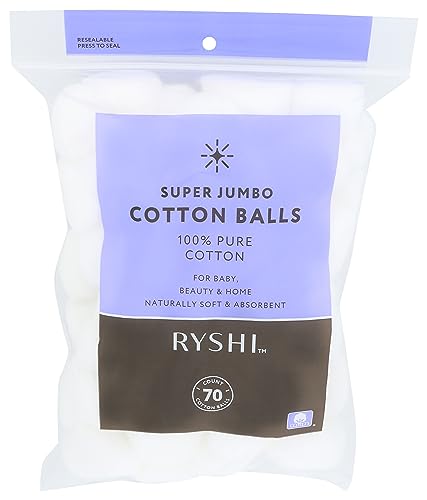
Precision is key when you are working on delicate items like miniature figurines or intricate holiday ornaments. These cotton balls are often slightly firmer, allowing you to use a fine-tipped glue applicator without the cotton fibers instantly absorbing and expanding the adhesive.
Because they are more compact, they allow for more controlled placement. You won’t have to worry about excess glue seeping out the sides and ruining your finished product.
They are a great middle-ground option for households that value versatility. You can use the leftovers for standard first-aid needs, making them a practical, dual-purpose purchase for any medicine cabinet.
Equate Beauty Cotton Balls for Crafting Adhesion
Budget-friendly and widely available, these are the workhorses of the crafting world. They are soft and highly absorbent, which makes them excellent for projects where you want the glue to soak deep into the center for a permanent bond.
While they are very soft, they can be a bit more prone to shedding than premium brands. They work best for projects where the cotton will be fully covered or painted over, as the texture is less uniform.
For families with young children who go through supplies quickly, these offer the best value for money. You won’t feel guilty about letting the kids experiment with different adhesives or techniques.
Amazon Basics Cotton Balls for Reliable Bonding
When you need a consistent supply delivered right to your door, this is a convenient choice for frequent crafters. They offer a standard, reliable density that works well with most craft glues, including hot glue and school-grade PVA.
The bulk packaging is ideal for homeowners who have dedicated craft rooms or hobby spaces. You won’t have to worry about running out mid-project, which is a common frustration during holiday crafting seasons.
The quality is dependable and mirrors what you would find at most major retailers. They are a straightforward, no-nonsense option for those who prefer to shop online and keep their supplies stocked ahead of time.
Target Up&Up Cotton Balls for Budget Crafting
If you are looking for an affordable staple for casual, occasional crafting, these are a solid pick. They have a standard texture that is easy to work with for simple projects like cotton-ball sheep or basic seasonal decorations.
They are particularly useful for renters who want to do DIY decor without investing in expensive supplies. Because they are so inexpensive, they allow you to experiment with different types of adhesive, like spray glue or decoupage medium, without a high financial risk.
Be aware that they are quite soft, so they may compress significantly under heavy glue. Use them for projects where a "fluffy" look is the goal rather than a rigid, structural one.
Walgreens Cotton Balls for Easy Glue Absorption
These cotton balls are known for their high absorbency, which is a major benefit when using thin, liquid-based glues. The fibers are spaced in a way that allows the adhesive to penetrate quickly, creating a strong bond with the surface you are working on.
They are particularly effective for papier-mâché style projects where you want the cotton to act as a porous filler. The material holds onto the glue well, ensuring that your craft stays intact even after it dries.
If you have limited storage, these come in standard, manageable bag sizes that fit easily into a drawer or small bin. They are a reliable, everyday choice for the occasional hobbyist.
Organic Cotton Plus Balls for Eco-Friendly Art
Experience gentle care with Organyc 100% organic cotton balls. Grown without pesticides, these biodegradable balls are ideal for sensitive skin and are Ecocert and vegan certified.

For those who prioritize natural, unbleached materials, these are a premium option that feels great to handle. They offer a unique, slightly more rustic texture that can add character to organic-themed art projects or eco-conscious home decor.
Because they are free from synthetic chemicals, they are a safer choice for households with pets or small children who might be curious about your craft supplies. They bond well with natural adhesives, such as starch-based glues or homemade flour paste.
They are generally more expensive than conventional options, so they are best reserved for special projects. They represent a conscious choice to prioritize environmental impact over absolute cost-savings.
How to Choose Cotton Density for Better Gluing
- Low Density: Ideal for projects needing a fluffy, soft texture where the glue is applied to the base rather than the cotton itself.
- High Density: Best for structural projects where you need the cotton to maintain its shape and act as a solid component.
- Uniformity: Look for consistent sizing if you are creating a pattern or repeating a design, as this ensures a professional look.
- Fiber Length: Longer fibers tend to hold together better when wet, reducing the amount of "fuzz" that ends up on your hands or workspace.
Tips for Preventing Cotton Shedding in Crafts
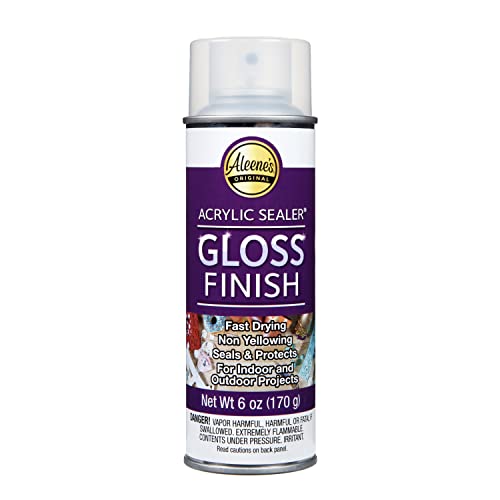
The biggest annoyance in cotton crafting is the trail of stray fibers left behind. To combat this, lightly mist your cotton balls with a tiny bit of hairspray or a clear acrylic sealer before applying your glue.
Another effective trick is to roll the cotton ball between your palms with a tiny dab of glue or water to "seal" the outer fibers. This creates a smoother, more compact surface that is much less likely to shed during the assembly process.
Finally, always use a clean, dry pair of tweezers or a dedicated craft tool to handle your cotton. Touching it with fingers covered in glue or debris will almost always result in unwanted shedding and lint transfer.
Selecting the right cotton ball doesn’t have to be complicated once you identify the specific needs of your project. By balancing the density of the material with the type of adhesive you plan to use, you can ensure your crafts are as durable as they are beautiful. Keep a small stash of your favorite type on hand, and you will always be ready for your next creative endeavor.


