
7 Best Right-Angle Plug Extension Cords for Tight Spaces
Optimize your outlets with our top 7 right-angle extension cords. These space-saving picks ensure furniture sits flush while keeping your cables organized.
We have all struggled to push a heavy dresser or sofa against a wall, only to be thwarted by a bulky plug that refuses to sit flush. Finding the right low-profile extension cord can save your baseboards from damage and reclaim precious inches in a cramped room. This guide will help you navigate the best options to streamline your home’s power layout without compromising on safety.
Cable Matters 3-Prong Low Profile Power Extension
![[ETL Listed] Cable Matters 2-Pack 16 AWG 360° Rotating Flat Plug Extension Cord - 3ft, 13A/1625W, Low Profile 3 Prong Power Extension Cords, NEMA 5-15P to NEMA 5-15R, White](https://m.media-amazon.com/images/I/31kgnUW2h0L._SL500_.jpg)

If you are tired of furniture sitting three inches away from the wall, this cord is a classic solution for tight bedroom or office setups. It features a very slim profile that hugs the outlet, allowing you to slide desks or nightstands right up to the baseboard.
The build quality is reliable enough for everyday electronics like lamps, chargers, and small fans. However, keep in mind that the cord itself is standard gauge, so it isn’t meant for high-draw appliances like space heaters.
For the price, it is an excellent "set it and forget it" tool for renters who need to maximize floor space. It’s a straightforward, no-frills choice that gets the job done without breaking the bank.
Amazon Basics Flat Plug Extension Cord for Home
This 2-pack of 6-foot white indoor extension cords provides power to multiple devices with three 3-prong outlets each. The space-saving flat plug lays flush against the wall, perfect for tight spaces.

When you need to outfit multiple rooms on a budget, this multipack option is a go-to for many homeowners. These cords are surprisingly durable for their price point, making them perfect for dorm rooms, apartments, or basic home office setups.
The flat plug design is effective, though it might protrude slightly more than premium "ultra-thin" models. It is the ideal balance for someone who needs functionality across several areas—like behind a TV stand and under a desk—without spending a fortune.
While these aren’t heavy-duty industrial cords, they are perfectly safe for standard household devices. If you have a growing household and need to organize several power points at once, this is your most cost-effective path.
GE Pro Slim Plug Extension Cord for Tight Spaces

GE has long been a staple in the hardware aisle, and this cord is a testament to their focus on functional design. The "Slim Plug" lives up to its name, sitting exceptionally flush against the wall to disappear behind heavy furniture.
I appreciate the reinforced strain relief at the plug end, which is a common failure point for cheaper cords. This makes it a smarter investment if you plan on plugging and unplugging devices frequently rather than leaving them fixed in one spot.
It is a mid-range option that bridges the gap between budget-friendly and heavy-duty. If you have a specific spot that requires a cord to be tucked away permanently, this is a reliable, high-quality choice.
Tripp Lite 3-Foot Flat Plug Heavy Duty Power Cord
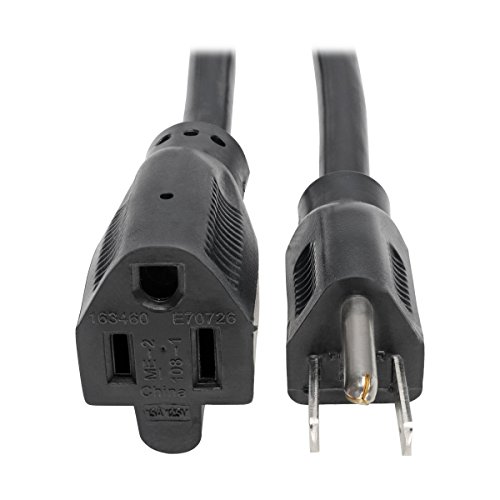
Sometimes you don’t just need a flat plug; you need a cord that can handle a bit more power. Tripp Lite is known for professional-grade gear, and this heavy-duty cord feels significantly more robust than your average household extension.
Because of the thicker gauge, the cord itself is stiffer and less flexible than thinner alternatives. This is a trade-off worth making if you are running equipment that draws more current, such as a high-end computer setup or a large monitor array.
It is the "workhorse" of the list, designed for longevity rather than just convenience. If you are worried about overheating or long-term durability in a high-traffic area, spend the extra few dollars here.
Monoprice Low Profile Flat Plug Extension Cable

Monoprice is a favorite among those who look past brand names to find pure utility. Their low-profile cord is incredibly thin, making it a dream for those working with extremely tight clearance behind bookshelves or heavy media consoles.
The plug is angled in a way that often leaves the second outlet on a duplex wall receptacle accessible, which is a major design win. It is a simple, effective piece of engineering that solves the "blocked outlet" problem that plagues many standard extension cords.
While the cord insulation is thinner than the heavy-duty models, it is perfectly adequate for low-draw items like clocks, routers, or LED lighting. It is a smart, minimalist choice for anyone trying to reclaim space in a small apartment.
Miady 15-Foot Flat Plug Extension for Furniture

If your outlet is on the opposite side of the room from where you actually need your power, a short cord just won’t cut it. This 15-foot option provides the reach you need to snake power along baseboards or behind furniture without creating a tripping hazard.
The flat plug ensures that even if the outlet is hidden behind a sofa, you won’t have to pull the furniture away from the wall to accommodate the cord. It is a lifesaver for living room layouts where you need to charge devices while lounging.
Because it is a longer cord, be mindful of how you route it to keep the area tidy. Use adhesive cable clips to keep it flush against the wall, and avoid running it under rugs where it could become a hidden fire hazard.
Maximm 360-Degree Rotating Flat Plug Extension
This is arguably the most versatile plug on the list because the head actually rotates 360 degrees. If you have an outlet oriented in an awkward direction, or if you have a bulky transformer block that needs to point a certain way, this cord adapts to your needs.
The rotating mechanism feels sturdy, though it is a mechanical part that requires a little extra care over the years. It is an excellent problem solver for those "impossible" outlet situations behind heavy armoires.
You are paying for that extra versatility, so it is slightly more expensive than a standard fixed-head cord. For the peace of mind it provides when dealing with cramped, awkward power layouts, it is usually money well spent.
How to Measure Your Clearance for Flat Plugs
Before you buy, take a moment to measure the gap between your furniture and the wall. Use a simple ruler or a piece of cardboard to estimate how much "depth" you have to work with.
- Ultra-slim: If you have less than 0.5 inches of clearance, look for the thinnest, flattest heads available.
- Standard flat: Most flat plugs will fit comfortably in a 0.75 to 1-inch gap.
- Obstruction check: Ensure your furniture doesn’t have a solid back panel that might press directly onto the plug face, as this can put unnecessary stress on the outlet.
Remember that you aren’t just fitting the plug; you need a tiny bit of "wiggle room" for the cord to exit the plug head without bending at a sharp 90-degree angle. Sharp bends can damage the internal wiring over time.
Safety Tips for Using Extension Cords Indoors
Extension cords are meant for temporary use or specific furniture-based layouts, not as permanent replacements for wall wiring. Never daisy-chain multiple extension cords together, as this increases the risk of overheating and electrical failure.
Always check the cord for signs of fraying or heat damage, especially if it is tucked behind a warm appliance or a heavy piece of furniture. If the cord feels hot to the touch, unplug it immediately and replace it with a higher-gauge option.
Finally, avoid running cords under carpets or rugs. This prevents heat dissipation and makes it impossible to detect if the cord is being stepped on or crushed, which can lead to shorts or fire hazards.
Understanding Gauge and Amperage Requirements
The "gauge" of a cord—often marked as AWG (American Wire Gauge)—tells you how thick the copper wire inside is. A lower number means a thicker wire, which can handle more power (amperage) safely.
- 16 AWG: Suitable for lamps, clocks, and small electronics.
- 14 AWG: Better for computers, monitors, and moderate-draw appliances.
- 12 AWG: Necessary for high-draw items like space heaters or heavy-duty power tools.
If you are unsure, always err on the side of a lower gauge (thicker wire) for safety. It is better to have a slightly stiffer cord than to risk using one that is too thin for the amount of electricity your devices are pulling.
Choosing the right extension cord is about balancing your specific furniture layout with the power needs of your devices. By focusing on the correct gauge and a plug profile that fits your clearance, you can create a safer and more organized home. Take a few minutes to assess your space today, and you will find that these small upgrades make a surprisingly big difference in your daily routine.


