7 Best CD Storage Boxes for Attic Organization
Organize your collection efficiently with our top 7 CD storage boxes. These durable, stackable picks protect your media from attic moisture and dust damage.
Storing a lifetime of music and data in the attic can be a daunting task, especially when you consider the fluctuating temperatures and humidity levels found in most roof spaces. Finding the right storage solution is the difference between preserving your collection for decades or watching it succumb to disc rot and warping. This guide explores the best storage options to keep your CDs safe, organized, and easily accessible regardless of your home’s layout.
Sodynee CD Storage Case for Attic Protection


If you are worried about dust infiltration or accidental moisture in your attic, the Sodynee CD Storage Case is a solid starting point. These cases are typically made from non-woven fabric, which allows for a bit of breathability while still acting as a barrier against attic debris.
Because these cases are soft-sided, they are incredibly forgiving if you have a tight crawl space or an oddly shaped attic corner. However, keep in mind that they lack the rigid structure of plastic bins, so you should avoid stacking them under anything heavy.
For the homeowner looking for a lightweight, budget-friendly solution, these are excellent. Just ensure you place them on a shelf rather than directly on the attic floor to prevent potential moisture wicking.
Atlantic Nestable Media Storage Box Review
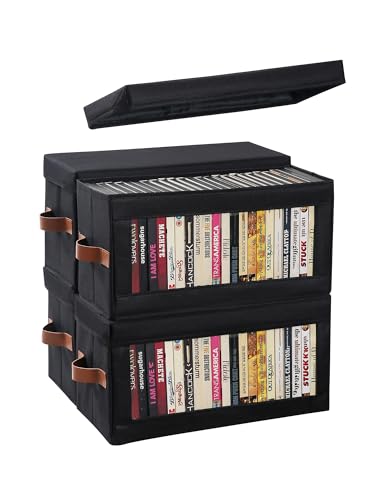
When you are tight on space, the ability to tuck your storage containers away when they aren’t in use is a major advantage. The Atlantic Nestable Media Storage Box is designed with a modular footprint, making it perfect for those who are slowly digitizing their collection but aren’t quite ready to part with physical copies.
These boxes are generally made from durable plastic or reinforced cardboard, offering a good middle ground between weight and protection. The "nestable" feature is a game-changer if you live in a smaller apartment or a house with limited storage, as you can collapse them during the off-season.
The main trade-off here is the lid security; while they are great for organization, they aren’t airtight. Use these for your secondary collection—the discs you want to keep but don’t reach for on a weekly basis.
Case Logic CD Wallet for Space Efficiency
If your attic storage is limited to a few small bins or a narrow shelf, a CD wallet is often more practical than a bulky box. Case Logic has long been the standard for these, offering padded sleeves that protect the disc surface from scratching.
The beauty of a wallet is that it eliminates the need for individual jewel cases, which are notorious for cracking and taking up unnecessary space. You can easily condense hundreds of CDs into a single, manageable binder that fits into a small tote.
However, be aware that you will lose the original liner notes unless you find a way to store them alongside the discs. This is a great choice for the music lover who prioritizes capacity over preserving the original packaging.
Snap-N-Store CD Storage Box for Organization

There is something deeply satisfying about a storage box that snaps together in seconds and holds its shape indefinitely. The Snap-N-Store series is perfect for the homeowner who wants their attic to look like a professional archive rather than a pile of mismatched cardboard boxes.
These boxes are made from sturdy, laminated fiberboard, which provides a professional aesthetic at a very accessible price point. They are rigid enough to stack, provided you keep the heaviest boxes at the bottom of the pile.
Because they are box-shaped, they are easy to label and pull off a shelf. They are the ideal choice if you have a dedicated shelving unit in your attic and want to maintain a clean, uniform look across your entire collection.
Univenture DiscKeepers for Attic Archiving
For the serious collector who views their CDs as an investment, Univenture DiscKeepers offer a specialized approach to long-term preservation. These are essentially high-quality, archival-safe sleeves that prevent the chemical outgassing that often ruins discs stored in cheap plastic.
These are not a "box" in the traditional sense, but they are the best way to prepare your collection for long-term storage in an attic environment. You can slip these into any standard storage bin, effectively turning a basic container into a professional-grade archival system.
While they represent a higher initial investment than basic sleeves, the peace of mind is worth it. They are the most effective way to ensure your discs remain playable after years of sitting in a climate-variable space.
Evelots CD Storage Box With Clear Window

If you have ever spent hours digging through ten different boxes just to find one specific album, you will appreciate the clear window on the Evelots storage box. This simple feature allows you to see exactly what is inside without breaking the seal or moving other bins.
These boxes are designed with a focus on visibility and accessibility, which makes them perfect for the "active" attic user. They are usually made from a durable, lightweight material that is easy to lift, even when fully loaded with discs.
The trade-off is that the clear window is often a weaker point in the structure than solid walls. Avoid placing these in direct sunlight or areas where the plastic might become brittle over time due to extreme temperature swings.
Storage Dynamics Heavy-Duty Media Bins

Sometimes, the best solution is the simplest one: a heavy-duty, latching bin that keeps the environment out. Storage Dynamics bins are built for those who need to protect their collection from more than just dust, such as pests or dampness.
These bins are often made from thick, impact-resistant plastic and feature a locking lid that creates a fairly tight seal. They are the "heavy lifters" of the attic world and are perfect for long-term, "set it and forget it" storage.
While they aren’t as aesthetically pleasing as fabric or fiberboard boxes, they win on pure utility. If your attic is prone to humidity, look for a model that allows for a small desiccant pack to be tucked inside the corner.
Why Attic Climate Control Matters for CDs
Attics are notoriously difficult environments for any media, as they experience the most extreme temperature shifts in the house. When a CD undergoes rapid expansion and contraction, the protective coating can eventually delaminate, rendering the data unreadable.
Humidity is the secondary enemy, as it encourages mold growth on both the disc surface and the paper inserts. If you must store your collection in an attic, try to position your storage bins away from exterior walls, which are the most susceptible to temperature extremes.
Always aim for a location that is as close to the center of the attic as possible. This is where the temperature remains most stable, even if the roof gets scorching hot during the summer months.
How to Properly Label Your CD Collections
Organization is only effective if you can actually find what you are looking for without opening every container. Use a consistent labeling system, such as alphabetical order or genre, and write it clearly on the side of the box rather than the top.
If you are using opaque boxes, consider creating a simple spreadsheet or a printed list that you tape to the outside of the bin. This allows you to perform an inventory check without having to disturb your carefully stacked boxes.
For a more robust system, use color-coded stickers to denote different categories, like "Rock," "Jazz," or "Classical." This makes it much easier to spot the right box at a glance, especially in the low-light conditions of an attic.
Best Practices for Long-Term Media Storage
Regardless of which box you choose, there are a few universal rules for storing CDs in the attic. First, always store your discs vertically, just like books on a shelf, to prevent warping and unnecessary pressure on the bottom discs.
Second, consider adding a small silica gel packet to each bin to help manage moisture levels. It is a cheap, effective insurance policy that can prevent the musty smell that often accompanies attic-stored items.
Finally, periodically check your collection every year or two. Simply moving the boxes around and visually inspecting the discs for any signs of surface clouding can help you catch potential issues before they become permanent damage.
Organizing your CD collection for the attic doesn’t have to be a chore if you choose the right tools for the job. By balancing the need for protection with the realities of your space, you can ensure your music remains a part of your life for years to come. Remember that a bit of planning now saves hours of frustration later, so choose the storage method that best fits your specific home environment.