

7 Best Soil Moisture Meters for Seed Trays Reviewed
Struggling with seedling health? We tested 7 soil moisture meters to help you prevent overwatering and ensure your seed trays thrive. Discover our top picks.
Starting seeds indoors is a rewarding way to bring life into your home, but managing moisture in tiny cells can be a constant balancing act. Without a reliable way to check hydration, you risk either drowning your fragile sprouts or letting them dry out completely. These seven moisture meters provide the data you need to nurture your seedlings from germination to transplant day.
XLUX T10 Soil Moisture Meter for Seed Starter Trays
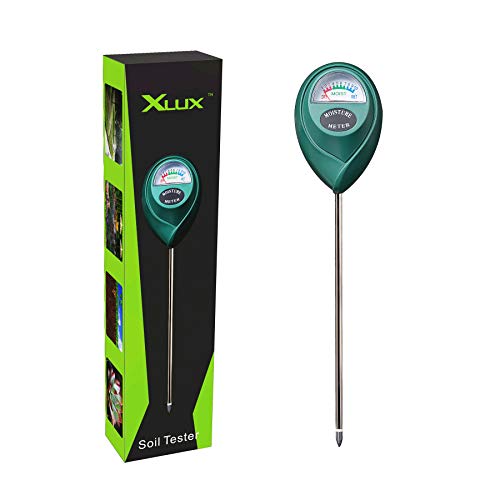

If you are a casual gardener who just wants a simple, no-nonsense tool, the XLUX T10 is a solid starting point. Its thin probe is specifically designed to fit into smaller seed trays without disturbing the delicate root systems that are just beginning to form.
Because it operates without batteries, you never have to worry about it dying in the middle of a weekend gardening project. It’s a purely mechanical device that relies on a simple sensor, making it incredibly durable for long-term storage in a tool shed or kitchen drawer.
However, keep in mind that the analog display is best read from a direct angle to avoid parallax errors. It is a budget-friendly workhorse that prioritizes simplicity over high-tech features.
Gouevn Soil Moisture Sensor for Small Seedling Pots

For those living in apartments with limited windowsill space, the Gouevn sensor is a lifesaver. Its compact design allows it to slip into the tightest seedling pots, ensuring you don’t accidentally damage neighboring plants while checking the soil.
This model is particularly helpful if you have a variety of seed starters with different water requirements. By quickly checking each pot, you can create a customized watering schedule that saves you time and prevents the common mistake of overwatering.
It is lightweight and easy to hold, which is a major plus if you have several trays to monitor at once. Just be sure to wipe the probe clean after every use to maintain its sensitivity over time.
Sonkir Soil Moisture Meter for Precise Water Control

If you are the type of gardener who likes to track data and maintain strict control over your growing environment, the Sonkir meter is a perfect match. It offers a clear, easy-to-read scale that helps you distinguish between "moist" and "wet" soil with greater accuracy than cheaper models.
This meter is built to be a bit more robust, which is great if you have a busy household where tools might get knocked around. While it is slightly larger than some competitors, the extra durability is worth the trade-off for most homeowners.
The added precision helps you avoid the dreaded "damping off" disease, which often occurs when seedlings sit in waterlogged soil. It is a reliable investment for anyone serious about their indoor growing setup.
Dr. Meter S10 Soil Moisture Sensor for Indoor Seeds
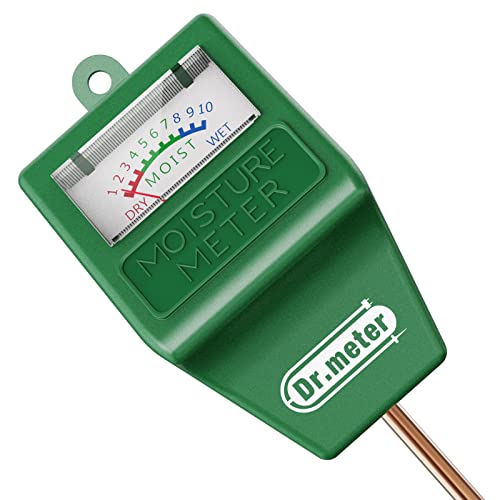
The Dr. Meter S10 is a popular choice for homeowners who value a balance between price and functionality. Its design is sleek and unobtrusive, making it easy to store in a small organizer or a utility basket alongside your seed packets and labels.
This sensor is particularly effective at gauging the moisture level deep in the soil, which is where it matters most for developing roots. Many surface-level checks can be misleading, but the S10 reaches deep enough to give you a true picture of the plant’s hydration.
It works well in both plastic trays and peat pots, offering versatility for different gardening styles. If you are a renter who moves frequently, this meter’s compact, sturdy build makes it an easy item to pack and relocate.
Gain Express Soil Moisture Meter for Seedling Trays

Sometimes you need a tool that can handle a larger volume of trays without slowing you down. The Gain Express meter is known for its quick response time, letting you check a dozen seedlings in just a few minutes.
This efficiency is perfect for parents or busy professionals who need to get their gardening tasks done before heading to work or school. It provides a quick snapshot of soil health so you can make immediate decisions about whether to mist or leave the tray alone.
While it lacks the bells and whistles of more expensive digital sensors, its reliability is its greatest strength. It is a straightforward tool that does exactly what it promises without unnecessary complexity.
Kensizer Soil Moisture Tester for Delicate Seedlings
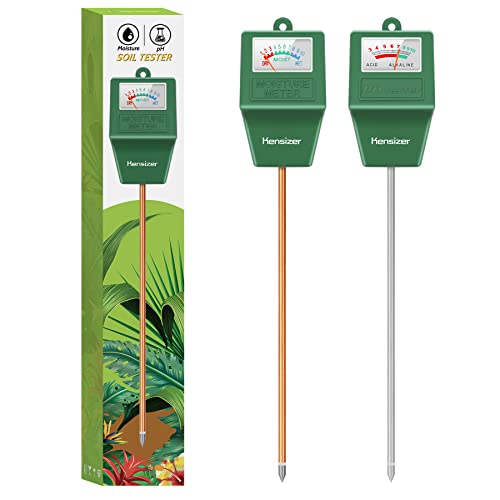
When dealing with very fragile seedlings, you need a probe that won’t tear up the soil structure. The Kensizer tester features a slim, tapered design that glides into the soil with minimal resistance, keeping your young plants secure.
This is an excellent option for those who are just beginning their gardening journey and might be nervous about damaging their first batch of seeds. Its gentle insertion process gives you peace of mind while you learn the ropes of indoor propagation.
The build quality is quite good for the price point, offering a nice weight that feels substantial in your hand. It is a practical, gentle tool that prioritizes the health of your plants above all else.
Luster Leaf Rapitest Meter for Small Seedling Cells
The Luster Leaf Rapitest is a classic choice that has earned its reputation through years of consistent performance. It is specifically calibrated for the smaller volumes of soil found in seedling cells, making it much more accurate than general-purpose garden meters.
For those who enjoy a bit of tradition in their gardening, this meter offers a familiar, reliable experience. It is simple to interpret, making it a great choice for households where multiple people might be helping with the plant care.
While it is a bit more expensive than the entry-level options, the accuracy you gain is well worth the extra cost. It is a long-term tool that will serve you well for many seasons of seed starting.
Key Features to Consider When Buying Moisture Meters
When shopping for a meter, the most important factor is the probe length and diameter. You need something that fits into your specific tray size without displacing the soil or damaging the tiny roots.
Consider the durability of the casing as well, especially if your gardening space is in a high-traffic area. A sturdy, impact-resistant plastic will last much longer than a thin, brittle shell.
Finally, think about ease of reading. Whether you prefer a large analog needle or a clear digital display, choose the interface that is easiest for you to interpret at a glance during your daily routine.
How to Calibrate Your Meter for Accurate Readings
Most analog meters don’t require complex calibration, but they do require a "zeroing" check. Before using your meter, ensure the probe is clean and dry, then place it in a glass of water to see if it registers at the maximum "wet" setting.
If the reading seems off, it may be time to gently clean the probe with a fine-grit sandpaper or a soft cloth. Oxidation can build up on the metal surface over time, which acts as an insulator and leads to inaccurate, low-moisture readings.
Always remember that these meters measure the electrical conductivity of the soil. If your soil has a high salt or fertilizer content, it might trick the meter into giving a false reading, so keep your soil amendments consistent.
Best Practices for Monitoring Seed Tray Hydration
The most effective way to use your meter is to check at the same time each day, preferably in the morning. This allows you to catch moisture drops before they become a critical issue for your seedlings.
Don’t rely solely on the meter; use your eyes and touch as well. If the surface looks dry but the meter says the bottom is moist, trust your gut and wait a few more hours before watering.
Pro-tip: Keep a simple log or use a marker on your tray to track when you last checked the moisture levels. This simple habit will eventually help you "learn" your plants’ needs, eventually making the meter a secondary tool rather than your only source of information.
Investing in a quality soil moisture meter is one of the smartest ways to ensure your indoor garden thrives from seed to harvest. By choosing a tool that fits your specific tray size and gardening routine, you eliminate the guesswork that often leads to plant loss. With these meters in your toolkit, you can enjoy the process of watching your seeds grow with confidence and peace of mind.
