

7 Best Short-Handle Putty Knives for Toolbox Storage
Maximize your toolbox space with these 7 top-rated short-handle putty knives. Learn which durable, compact options offer the best precision for your repairs.
Every homeowner eventually encounters a stray nail hole, a peeling patch of paint, or a stubborn bit of dried caulk that demands an immediate fix. Having a reliable, compact putty knife tucked away in your toolbox can save you a trip to the hardware store mid-project. These seven short-handle options are designed to fit perfectly into crowded toolboxes while providing the precision needed for everyday household maintenance.
Hyde Tools 2-Inch Professional Stiff Putty Knife


When you are tackling deep gouges in drywall or scraping away old adhesive, a "stiff" blade is your best friend. This Hyde tool features a high-carbon steel blade that won’t bend under pressure, allowing you to force filler deep into cracks without the tool flexing away from the wall.
Because it is a professional-grade tool, the steel is tempered to hold a sharp edge for a long time. It is a fantastic choice for homeowners who prefer buying one high-quality tool that will last for decades rather than replacing cheaper alternatives every few years.
The short handle is ergonomically shaped to fit comfortably in the palm, making it ideal for tight spots like corners or behind radiators. If you have a larger home with frequent wall repairs, this is an investment in efficiency.
Warner Tool 1.5-Inch Carbon Steel Scraper Blade

Sometimes, the repair job is smaller than a standard two-inch knife can handle. This 1.5-inch scraper is perfect for precision work, such as cleaning out thin cracks or scraping paint off window sills where maneuverability is limited.
The narrow profile allows you to get into corners that a wider blade would simply miss. If you live in an older apartment or home with ornate trim, this tool will become a staple in your maintenance kit.
Keep in mind that carbon steel requires a bit more care than stainless steel to prevent rust. Simply wiping it dry after use is usually enough to keep it in prime condition for your next project.
Allway Tools 2-Inch Soft Grip Putty Knife Tool

If you have arthritis or simply find that hard plastic handles dig into your palm during long patching sessions, the soft-grip handle on this Allway model is a game-changer. The textured, rubberized grip provides excellent control, even if your hands are a bit dusty or damp.
This model strikes a great balance between affordability and comfort. It is an excellent choice for renters who want a reliable tool for small touch-ups without spending a premium price.
While the handle is slightly bulkier than a solid wood or plastic one, it still fits easily into any standard toolbox tray. It is arguably the most "user-friendly" option for the casual DIYer who isn’t used to working with hand tools.
Red Devil 4251 1.5-Inch Carbon Steel Putty Knife
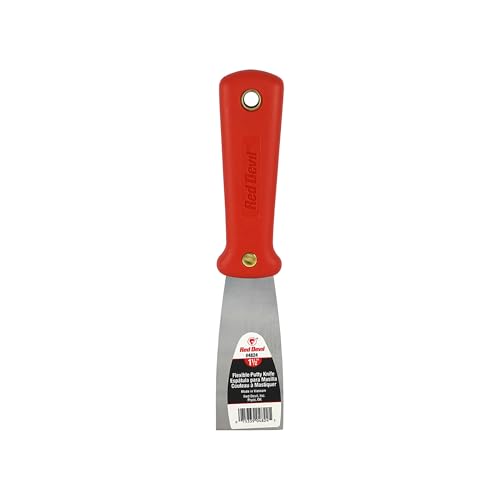
Red Devil has been a household name for generations, and for good reason—they make tools that are simple, reliable, and functional. This 1.5-inch knife is a classic "workhorse" that excels at small-scale patching jobs like filling nail holes or covering over screw heads.
The handle is designed to be lightweight, which prevents hand fatigue during repetitive tasks. It is small enough to fit into even the most crowded "junk drawer" or compact apartment tool kit.
Because it is so inexpensive, many homeowners choose to buy two: one for drywall compound and one for messy tasks like scraping glue or oil-based paint. It is a low-risk, high-reward addition to your home maintenance arsenal.
Goldblatt 2-Inch Pro Stainless Steel Putty Knife
Stainless steel is the gold standard for those who want to avoid the maintenance of carbon steel. This Goldblatt knife is resistant to rust, meaning you can leave it in a damp garage or basement toolbox without worrying about it corroding over time.
The 2-inch width is the "sweet spot" for most general-purpose repairs, covering enough surface area to smooth out a patch while remaining small enough for tight corners. It is a versatile tool that handles both patching compound and spackle with ease.
The finish on the blade is polished, which makes cleaning it a breeze after the compound dries. If you value low-maintenance tools, this is likely your best choice.
Purdy 2-Inch Stiff Blade Putty Knife for Repairs

Purdy is legendary for their paint brushes, but their putty knives are equally impressive in terms of build quality. This stiff-blade model is designed specifically for those who need a tool that can "push" material into a hole with authority.
The handle is constructed with a solvent-resistant material, which is a major plus if you find yourself working with various primers, paints, or cleaning solvents. It feels sturdy in the hand and provides excellent feedback when you are smoothing out a patch.
While it sits at a slightly higher price point, the durability of the handle attachment ensures it won’t wiggle or break over time. It is a professional-grade tool that brings a sense of quality to even the smallest home repair.
Husky 2-Inch Ergonomic Short-Handle Putty Knife

Husky tools are a staple for a reason: they are widely available and offer great value for the price. This ergonomic model features a handle shape that encourages a proper grip, reducing the chance of your fingers slipping toward the blade during a heavy scrape.
The 2-inch blade is flexible enough to follow the contours of a wall, which is helpful if your walls aren’t perfectly flat. This makes it a great choice for beginners who are still learning how to feather out their spackle edges.
This is a perfect "first tool" for a new homeowner or someone moving into their first apartment. It is durable, easy to clean, and fits perfectly in a small storage box or a wall-mounted tool rack.
Why Blade Flexibility Matters for Patching Jobs
The flexibility of your putty knife blade determines how well it conforms to the surface you are repairing. A stiff blade is ideal for digging out old caulk or forcing heavy filler into deep cracks, as it won’t bend away from the surface.
Conversely, a flexible blade is essential for "feathering" the edges of a patch. When you are smoothing out joint compound, a flexible blade allows you to apply pressure at the edges to blend the filler seamlessly into the surrounding wall, making the repair invisible once painted.
- Stiff Blades: Best for scraping, digging, and deep filling.
- Flexible Blades: Best for smoothing, finishing, and blending edges.
Most homeowners benefit from having at least one of each in their kit. If you only buy one, aim for a "medium-stiff" blade to cover both bases.
How to Maintain Your Putty Knife for Longevity
The number one enemy of a putty knife is dried compound left on the metal. Always wipe your blade clean with a damp cloth immediately after you finish your task, as dried spackle can harden and become incredibly difficult to remove without scratching the steel.
If you are using a carbon steel knife, a quick wipe with a light coat of machine oil or silicone spray before storing it can prevent oxidation. This is especially important if you live in a humid climate or store your tools in an unheated garage.
Never use your putty knife as a screwdriver or a pry bar. While it might be tempting to use the stiff edge to pop open a paint can or pry a trim piece, doing so will likely bend the blade or crack the handle, permanently ruining the tool’s precision.
Best Practices for Storing Tools in Small Boxes
In a small toolbox, space is at a premium, and the last thing you want is a pile of tools that are difficult to dig through. Keep your putty knives together in a dedicated section or a small side pouch to protect the edges from being nicked by heavier tools like hammers or wrenches.
If your toolbox is very crowded, consider using a blade guard or even a simple piece of cardboard taped over the edge of the knife. This protects both the tool’s edge and your fingers when you reach into the box to grab it.
- Vertical Storage: If your box has a deep tray, stand your putty knives upright so the handles are facing up.
- Magnetic Strips: In a workshop setting, a small magnetic strip is the best way to store knives, as it keeps the edges from touching other metal tools.
- Grouping: Always store your putty knives near your sandpaper and spackle, keeping your "patching kit" as one cohesive unit.
Choosing the right putty knife comes down to balancing the type of work you do most often with the space you have available in your toolbox. Whether you opt for a flexible stainless steel blade for smooth finishes or a stiff carbon steel scraper for heavy-duty removals, these tools are essential for keeping your home in top shape. By keeping them clean and stored properly, you ensure that every minor repair is quick, easy, and stress-free.


