

7 Best Gap-Filling Wood Glues for Older Wood Tested
Restoring aged timber? We tested seven gap-filling wood glues to find the best bonds for weathered surfaces. Discover our top picks for strength and finish.
Restoring a vintage piece of furniture or fixing a squeaky floorboard in an older home requires more than just standard adhesive. When wood ages, it loses moisture and develops gaps that standard glues simply cannot bridge or stabilize. This guide helps you navigate the specialized world of gap-filling glues so your repairs last for years to come.
Titebond III Ultimate: Best for Outdoor Repairs
Titebond III Ultimate Wood Glue creates a bond stronger than the wood itself, offering excellent heat resistance and easy sanding. It features a strong initial tack, 30-minute clamp time, and is non-toxic for safe use.


If you have a weathered garden bench or a porch railing that has seen better days, Titebond III is the gold standard for exterior resilience. It is waterproof, which is essential for items that face the unpredictable shifts of rain, humidity, and temperature.
Unlike some specialized epoxies, this glue remains easy to clean up with water before it cures, making it perfect for the occasional DIYer who might be a bit messy. It also offers a longer open assembly time, giving you a few extra minutes to align those stubborn, warped boards on an old outdoor chair.
Keep in mind that while it is excellent for structural strength, it isn’t a true "filler" for massive, structural voids. Use it when you need a waterproof bond that can withstand the elements without breaking down over time.
Elmer’s Carpenter’s Wood Glue: Best for Indoors
For the everyday household repair—like a loose kitchen chair rung or a splintered drawer front—Elmer’s is the reliable, no-nonsense choice. It is incredibly budget-friendly and widely available, which is a huge plus for apartment dwellers who don’t have space for a massive workshop.
This glue dries to a natural, light color that blends well with many interior wood species, especially if you plan to stain or paint over the repair later. It sets relatively quickly, allowing you to move on with your daily routine without waiting 24 hours for a simple fix.
However, because it is water-based, it is not suitable for damp environments like bathrooms or outdoor settings. It is the perfect "keep in the junk drawer" adhesive for light-duty indoor furniture maintenance.
Gorilla Wood Glue: Strongest Bond for Old Wood
Gorilla Wood Glue creates an incredibly strong bond in just 20-30 minutes of clamp time. This water-resistant, natural-colored adhesive is versatile for indoor and outdoor use on various wood types, drying paintable and sandable.
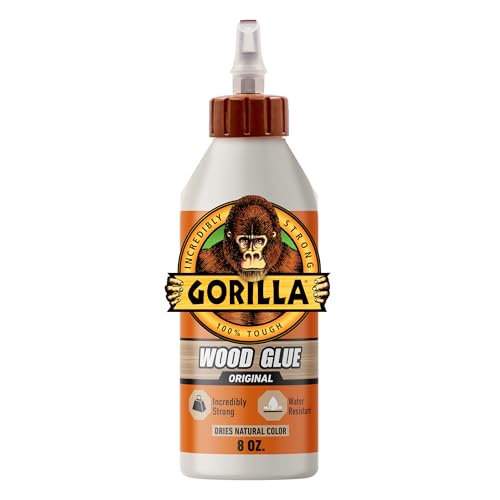
Old, dry wood often has a porous surface that sucks the moisture out of standard adhesives, leading to weak joints. Gorilla Wood Glue is formulated with a higher solids content, which helps it grab onto those thirsty, aged fibers much more effectively than thinner alternatives.
This glue is particularly impressive for high-stress joints where you need a bit of extra insurance. Because it is PVA-based, it offers a very strong bond that often exceeds the strength of the wood itself, provided the surfaces are clamped tightly.
While it does have a slightly longer cure time, the trade-off is a significantly more durable connection. It is a fantastic choice for restoring heirloom furniture that you intend to pass down to the next generation.
DAP Weldwood Plastic Resin: Best for Gap Filling
Weldwood Contact Cement creates a strong, instant bond for durable projects. Its versatile formula adheres to a wide range of materials, ensuring a reliable hold for your DIY needs.

When you are dealing with significant gaps in joinery—common in vintage furniture that has dried out over decades—you need a glue that acts like a structural filler. DAP Weldwood is a powder-based adhesive that you mix with water, creating a thick, gap-bridging paste.
Because it is a thermosetting resin, it doesn’t shrink as it cures, which is the biggest failure point for standard glues in large gaps. It creates a rock-hard bond that is virtually impervious to heat, solvents, and moisture.
The trade-off is that it requires mixing and has a limited shelf life once prepared. It is best reserved for significant restoration projects where you have a clear plan and enough surface area to justify the preparation time.
Franklin Titebond Original: Best for Quick Sets

If you are working on a project where you can’t leave clamps on for hours, Titebond Original is your best friend. It is a staple in professional workshops because it sets fast and creates a bond that is actually stronger than the wood itself.
It is ideal for quick, indoor repairs where you need to get the item back into service as soon as possible. Because it dries hard, it is also very easy to sand, leaving a clean edge that won’t gum up your sandpaper.
Just remember that it is not water-resistant, so keep it away from kitchens, bathrooms, or exterior projects. For dry, indoor furniture, it remains one of the most reliable and cost-effective solutions on the market.
J-B Weld WoodWeld: Best for Filling Deep Voids
J-B Weld WoodWeld is a fast-setting, two-part epoxy for durable wood repairs and bonding. Its 1:1 ratio mixes easily, sets in 6 minutes, and cures in 1-3 hours to a strong, sandable finish.

Sometimes, a repair isn’t just about gluing two pieces together; it’s about replacing missing material. WoodWeld is a two-part epoxy that acts as a structural filler, allowing you to rebuild missing corners or deep gouges in vintage wood.
Once it cures, it can be drilled, sanded, and painted just like natural wood. This makes it an invaluable tool for renters who need to fix damage to wooden trim or doors before moving out, as it creates a seamless, durable repair.
Because it is an epoxy, you must work in a well-ventilated area and wear gloves during application. It is a more expensive option, but for deep, structural voids, it is often the only way to achieve a professional-looking result.
PC-Woody Wood Repair Epoxy: Best for Rotted Wood
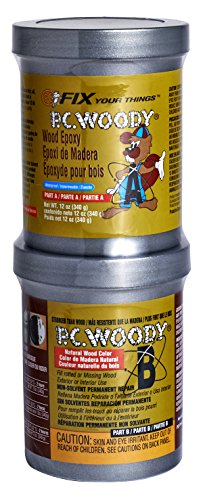
If you’ve discovered soft, spongy wood in a window sill or a porch post, PC-Woody is the specialized solution you need. It is a two-part epoxy specifically designed to bond with rotted or damaged wood fibers, effectively "consolidating" them into a solid mass.
It is thick and moldable, meaning it won’t sag or run when you are applying it to vertical surfaces. Once it hardens, it is incredibly strong and resistant to future rot, making it a permanent fix for wood that would otherwise need to be replaced.
The main trade-off is the price and the learning curve involved in working with epoxy. If you have a significant rot issue, however, it is far cheaper and less labor-intensive than tearing out and replacing structural lumber.
How to Prep Aged Wood Surfaces Before Gluing
- Clean the surface: Use a stiff brush or a vacuum to remove dust, old finish, and debris from the gap.
- Remove loose fibers: Gently scrape away any crumbling or rotted wood to ensure the glue bonds to solid material.
- Dry the wood: Older wood can hold moisture; ensure the area is completely dry before applying adhesive to prevent bond failure.
- Test the fit: Dry-fit your pieces first to ensure the gaps aren’t so large that they require a structural filler rather than just glue.
Tips for Filling Large Gaps in Vintage Furniture
When dealing with large gaps, avoid the temptation to over-clamp, as this can squeeze out the glue you need to bridge the space. Instead, consider mixing fine sawdust from the same wood species into your glue to create a homemade "wood paste" that fills the gap while adding strength.
Always protect the surrounding finish with painter’s tape before applying any glue or epoxy. This saves you from having to sand or scrape the finish of your antique, which preserves the value and character of the piece.
Finally, remember that patience is key. Allow the glue to cure fully according to the manufacturer’s instructions before you attempt to sand or stain the repair, as premature sanding can tear the glue out of the gap.
When to Use Wood Filler Versus Gap-Filling Glue
Wood filler is a cosmetic product designed to hide small imperfections, nail holes, or minor scratches. It does not provide structural strength and will eventually crack or fall out if used in a joint that moves or bears weight.
Gap-filling glue or epoxy, on the other hand, is structural; it is designed to hold two pieces of wood together while simultaneously filling the space between them. Use filler if you are just making a surface look better, but always reach for glue or epoxy if the joint is loose or needs to support a load.
For the best results, use a structural glue to secure the joint first, then use a matching wood filler to hide the seam. This two-step approach ensures your repair is both invisible and built to last.
Tackling repairs on older wood doesn’t have to be intimidating if you choose the right adhesive for the job. By understanding the difference between structural glues, epoxies, and cosmetic fillers, you can extend the life of your furniture and fixtures for years. Take your time with the prep work, and you will find that these simple fixes can be incredibly rewarding.

