7 Best Biodegradable Disinfecting Wipes for Eco-conscious Homes
Discover the top 7 biodegradable disinfecting wipes for a greener home. Learn how to sanitize effectively while reducing plastic waste and environmental impact.
Keeping a home clean shouldn’t come at the cost of the planet, yet many conventional wipes are essentially plastic in disguise. Finding effective, biodegradable alternatives allows you to maintain a sanitary space without contributing to long-term landfill waste. This guide highlights the most reliable options to help you balance daily convenience with environmental responsibility.
Seventh Generation Disinfecting Wipes for Daily Use
Clean and disinfect surfaces in one step with these botanical wipes. They kill 99.99% of germs without rinsing, even on food-contact surfaces and toys, leaving a fresh Lemongrass Citrus scent.


When you have a busy household with kids or pets, you need a wipe that handles quick spills and high-touch surfaces without a second thought. Seventh Generation is a staple for a reason: they are widely available and consistently reliable for everyday disinfecting.
These wipes are EPA-registered, meaning they have been tested to kill 99.9% of household germs like influenza and rhinovirus. They strike a great balance between accessibility and efficacy, making them a perfect entry point for those transitioning away from harsh chemical brands.
However, keep in mind that they are not compostable in a backyard pile, though they are designed to break down faster than traditional synthetic wipes. For the average renter or homeowner, they offer the best middle ground between price and performance.
Aunt Fannie’s Vinegar Wipes for Kitchen Surfaces

If you are sensitive to the heavy, artificial scents of traditional cleaners, Aunt Fannie’s is a breath of fresh air. Using the natural cleaning power of vinegar, these wipes are an excellent choice for food-prep areas where you might be wary of leaving behind chemical residues.
They are particularly effective at cutting through light grease and grime on granite or laminate countertops. Because they rely on food-grade ingredients, you don’t have to worry about harsh fumes lingering while you cook dinner.
The trade-off here is that they are not EPA-registered disinfectants, so they are better suited for cleaning and deodorizing rather than heavy-duty sanitizing. Use these for your daily kitchen wipe-downs and save the heavy-duty products for cold and flu season.
CleanWell Botanical Disinfecting Wipes for Homes
For those who want a true disinfectant but prefer to avoid synthetic pesticides, CleanWell is a standout. They utilize thymol—a component of essential oil from thyme—to kill germs effectively on hard, non-porous surfaces.
These wipes are ideal for small apartments where ventilation might be limited, as they don’t produce the eye-watering fumes associated with bleach or ammonia. They are also gentle enough to use on surfaces that come into contact with your hands frequently, like light switches and door handles.
Because they use botanical active ingredients, the scent is distinct and herbal. If you prefer a neutral smell, this might take some getting used to, but it is a small price to pay for a plant-based sanitizing solution.
Public Goods Biodegradable Surface Wipes Review

Public Goods has gained a following among urban dwellers who appreciate minimalist packaging and subscription-based convenience. Their wipes are designed to be fully compostable, making them a top contender for those aiming to minimize their household waste footprint.
The texture of these wipes is quite durable, which is a major plus when you are tackling a sticky spill or a grimy stovetop. They feel less like paper and more like a sturdy cloth, which helps you get more cleaning power out of a single sheet.
Because they are sold primarily through their direct-to-consumer model, they are a cost-effective solution if you buy in bulk. Just ensure you have the cabinet space to store the refill packs, as they are often sold in larger quantities to reduce shipping impact.
Grove Co. Compostable Disinfecting Wipes Analysis
Grove Co. has successfully bridged the gap between "eco-friendly" and "easy to find." Their compostable wipes are specifically engineered to break down in municipal composting facilities, which is a significant step up from standard "flushable" or "disposable" wipes.
These wipes are great for the "set it and forget it" crowd; their subscription model ensures you never run out during the busy work week. They are effective on most household surfaces, including stainless steel and sealed wood.
As with any product that prioritizes biodegradability, the wipes can sometimes feel a bit thinner than plastic-based versions. If you are cleaning a very rough surface, you might need to use two wipes instead of one, so factor that into your monthly budget.
Eco-Me Natural Multi-Surface Disinfecting Wipes
Clean everyday messes on most home surfaces with Seventh Generation Multi Purpose Wipes. Infused with a refreshing garden mint scent from 100% essential oils and botanical ingredients, these wipes are free from synthetic fragrances and dyes.
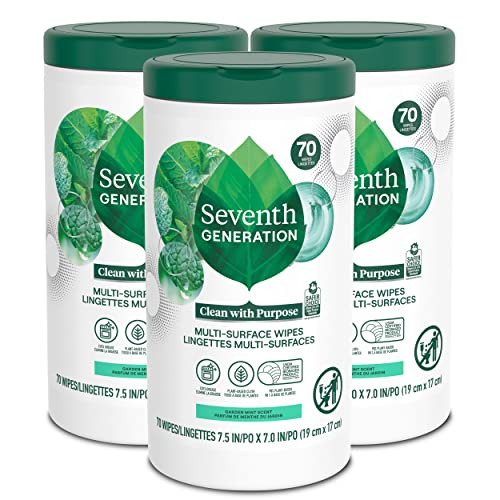
Eco-Me focuses on plant-derived ingredients, making them a safe bet for homes with curious toddlers or pets who spend a lot of time on the floor. They avoid the "big three" of chemicals: sulfates, parabens, and synthetic fragrances.
These wipes are particularly useful for quick spot-cleaning in bathrooms or mudrooms where you want to keep things sanitary without introducing harsh toxins into the air. They have a light, natural scent that dissipates quickly, which is perfect for smaller, enclosed spaces.
While they are excellent for daily maintenance, they are a bit more expensive per wipe than mass-market brands. Use these strategically in areas where you feel the most need for non-toxic peace of mind.
Better Life Plant-Based Cleaning Wipes Breakdown

Better Life is the brand to choose if you are tired of the "greenwashing" found in many cleaning aisles. Their products are transparently labeled, and their wipes are made from plant-based materials that are both effective and safe for the environment.
These wipes are surprisingly strong and can handle a variety of messes, from spilled juice to countertop dust. They are a great "all-rounder" that works just as well in a dorm room as it does in a family home.
The main consideration here is availability; you might not find them in every local grocery store, so it is often best to keep a backup supply on hand. They are a reliable choice for anyone who wants a "no-nonsense" approach to green cleaning.
How to Verify Biodegradability of Cleaning Wipes
Don’t be fooled by the word "natural" on the front of the packaging. To ensure a wipe is truly biodegradable, look for certifications like the BPI (Biodegradable Products Institute) logo or clear instructions stating the product is compostable according to ASTM D6400 standards.
Many brands claim to be "earth-friendly," but if they are made from synthetic fibers like polypropylene, they will never break down in your lifetime. Always flip the package over and read the ingredients list to see if the base material is wood pulp, bamboo, or cotton.

If the packaging is vague about the material composition, treat it as a synthetic product. When in doubt, search for the brand’s sustainability page online to see if they provide proof of their biodegradability claims.
Key Ingredients to Avoid in Eco-Friendly Wipes
Even if a wipe is biodegradable, the liquid solution it is soaked in might still contain harmful chemicals. Avoid products containing triclosan, parabens, phthalates, and quaternary ammonium compounds (often listed as "quats").
These ingredients are not only harsh on your skin but can also be harmful to aquatic life once they are rinsed down the drain or sent to a landfill. Furthermore, avoid synthetic fragrances, which are often a cocktail of undisclosed chemicals that can trigger allergies or asthma.
Instead, look for products that use citric acid, vinegar, or essential oils for their cleaning and antimicrobial properties. Your home—and your local water system—will be better off for it.
Proper Disposal Methods for Compostable Wipes
Just because a wipe is labeled "compostable" doesn’t mean you should toss it into your backyard garden. Most of these wipes require the high heat of a commercial or municipal composting facility to break down properly.
Never flush these wipes, regardless of what the packaging says. Even if they are technically biodegradable, they do not break down fast enough to avoid clogging your home’s plumbing or damaging municipal sewer systems.
The best practice is to dispose of them in your regular trash bin unless you have access to a professional composting service. While this isn’t a "zero-waste" solution, it is a significant improvement over using plastic-based wipes that will sit in a landfill for centuries.
Transitioning to biodegradable disinfecting wipes is a simple yet impactful change for any household. By choosing products that align with your specific surface needs and disposal capabilities, you can maintain a clean home while supporting a healthier environment. Start with a brand that fits your budget and routine, and you will find that eco-conscious cleaning is both practical and effective.