
7 Best Cloth Book Tapes for Repairing Worn Paperbacks
Restore your collection with our top seven cloth tapes. We evaluate durability, acid-free quality, and ease of use to help you repair worn paperback spines.
There is nothing quite as frustrating as pulling your favorite well-loved paperback off the shelf only to have the spine peel away in your hands. Investing in a quality book repair tape allows you to preserve your personal library without needing a professional conservator. This guide will help you select the right tool to keep your collection intact and readable for years to come.
3M Scotch Book Tape: Best for Clear Protection


If you have a collection of paperbacks where the covers are starting to fray at the edges, 3M Scotch Book Tape is your go-to solution. It is incredibly transparent, making it perfect for reinforcing edges without obscuring the cover art or title information.
Because it is thinner than heavy-duty cloth tapes, it is ideal for smaller apartments where you want your shelves to look clean and uniform. It isn’t designed for structural spine repair, but it excels at preventing further damage to light-duty paperbacks.
Keep in mind that this tape is meant for protection rather than heavy-duty support. Use it for preventative maintenance on your favorite reads before they show significant wear.
Lineco Self-Adhesive Cloth Tape: Best for Spines
Easily hinge artwork with this self-adhesive linen tape. Its neutral pH, acid-free acrylic adhesive ensures safe, long-lasting mounting for your paper creations.

When a spine has completely detached from the text block, you need something with structural integrity. Lineco is the industry standard for archival-quality repairs because it is acid-free and won’t yellow over time.
This tape is a favorite for homeowners who want their books to look as close to original as possible. It is flexible enough to allow the book to open fully, which is a major advantage for thick paperbacks that see a lot of use.
While it is a bit pricier than basic office supplies, the long-term preservation of your books makes it a worthwhile investment. It is the best choice for those sentimental books you plan on passing down to the next generation.
Brodart Book Guard Tape: Best for Heavy Repair
For households with young children or high-traffic reading areas, Brodart offers a level of durability that basic tapes simply cannot match. This tape is exceptionally thick and tear-resistant, designed to survive the rigors of daily handling.
It is particularly useful for those oversized paperbacks or trade editions that carry a lot of weight. If you have a busy home where books are tossed into backpacks or left on coffee tables, this will keep them from falling apart.
The tradeoff here is that the tape is quite substantial and may look a bit bulky on smaller, thinner books. Use this for the "workhorse" books in your collection that get read over and over again.
J.S. Office Cloth Book Tape: Best Value Option
If you have a large collection that needs a quick refresh and you are working on a budget, this is your best bet. It provides a reliable, cloth-based adhesive that is much stronger than standard masking or duct tape.
It is a sensible choice for renters who might be building a library on a budget or students who need to repair textbooks. While it may not have the archival certification of high-end brands, it gets the job done for everyday paperbacks.
Don’t expect it to last for decades, but it is excellent for extending the life of your current reading pile. It is a practical, no-nonsense solution for the thrifty homeowner.
Demco Tyvek Spine Tape: Best for Durability

Tyvek is a synthetic material known for being nearly impossible to rip, making it the ultimate choice for books that are literally hanging by a thread. If you have an old, heavy paperback that has lost its structural spine, this tape will act like a new binding.
Because it is so strong, it is best reserved for the most damaged books in your collection. It provides a sturdy hinge that can handle the stress of constant opening and closing.
Be aware that Tyvek has a distinct, slightly textured look that is less "invisible" than other options. It is a functional choice for longevity rather than aesthetics.
Shurtape Professional Cloth Tape: Best for Grip

Shurtape is designed for high-tack adhesion, meaning it sticks firmly to almost any paper surface. If you have older books with dry, brittle paper, this tape will grip effectively where others might peel off.
It is a great choice for quick, emergency repairs when you need the tape to stay put immediately. It is less about archival preservation and more about practical, immediate reinforcement.
Keep a roll in your junk drawer for when a cover or a page hinge suddenly gives way. It is a reliable, high-performance tool for any household repair kit.
Filmoplast P90 Tape: Best for Delicate Pages

Not every repair involves the spine; sometimes you have a torn page that threatens to fall out of the book entirely. Filmoplast P90 is a thin, self-adhesive paper tape that is specifically designed to be invisible and gentle on fragile pages.
It is perfect for older paperbacks where the paper has begun to turn brittle or yellow. Because it is so thin, it won’t create a "bump" in the book that makes it difficult to turn the pages.
This is a specialized product, so use it sparingly and only where necessary. It is the most professional way to handle internal page damage without ruining the reading experience.
How to Properly Apply Tape to Worn Book Spines
The secret to a long-lasting repair is a clean, flat surface. Before applying any tape, use a small brush or a dry cloth to remove dust from the spine area so the adhesive can bond properly.
When applying spine tape, center the tape carefully and use a bone folder or the back of a spoon to burnish it down firmly. Work from the center outward to ensure there are no air bubbles trapped underneath.
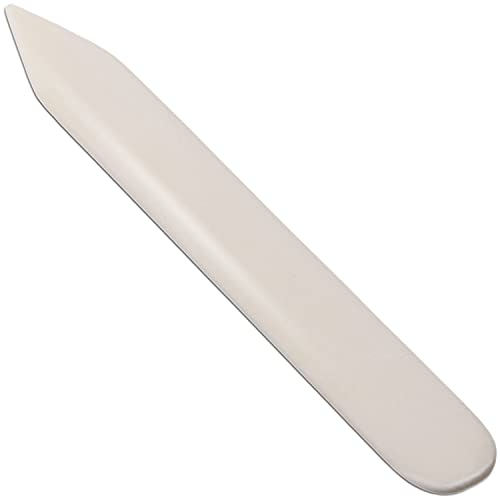
Always trim your tape with a sharp pair of scissors or a hobby knife for a clean finish. A jagged edge is more likely to snag and peel back over time, undoing your hard work.
Essential Tools for Restoring Your Paperbacks
You don’t need a professional workshop to repair your books, but a few basics make a world of difference. A bone folder is essential for pressing tape into the crevices of a spine without damaging the paper.
Keep a sharp pair of precision scissors in your kit to ensure your tape ends are straight and clean. If you are dealing with intricate tears, a pair of tweezers can help you position small pieces of tape with accuracy.
Store your repair supplies in a cool, dry place away from direct sunlight. High heat can degrade the adhesive on your tapes, making them less effective when you finally need them.
Tips for Maintaining Your Repaired Collection
Once you have repaired your books, shelf storage becomes the next line of defense. Avoid over-crowding your shelves, as pulling a tight book out can easily rip the spine you just worked so hard to fix.
Keep your books in an upright position rather than leaning them at an angle. Leaning puts uneven stress on the glue and the spine, which is the primary cause of the damage you just repaired.
Finally, try to keep your library away from high-moisture areas like bathrooms or unventilated basements. Humidity is the enemy of both paper and adhesive, and it can cause even the best repairs to fail over time.
Repairing your paperbacks is a rewarding way to preserve the stories that have shaped your life. By choosing the right tape for the specific level of damage, you can keep your home library functional and beautiful for years to come. Remember that a little maintenance goes a long way in protecting your collection from further wear and tear.


