7 Best Acupressure Mats for Chronic Pain Relief
Discover the 7 best acupressure mats for chronic pain relief. Learn how these tools use targeted pressure points to reduce tension and improve your well-being.
After a long day of hunching over a kitchen island or navigating a stressful commute, your body often stores tension in the muscles of your back and shoulders. Acupressure mats offer a simple, non-invasive way to release that buildup right in your living room. By understanding your specific pain points, you can choose the right tool to help you unwind and recover at home.
Spoonk Cotton Mat: Best for Deep Tissue Relief


If you find that your muscles feel perpetually knotted after a day of desk work, the Spoonk mat is a reliable go-to. It features a high density of stimulation points designed to mimic the effects of deep tissue massage.
Because the needles are spaced to provide a more intense sensation, this mat is ideal for those who have built up a tolerance to lighter pressure. It works well for homeowners who need a quick, focused recovery session before heading to bed.
The cotton cover is breathable, which helps if you tend to get warm during your relaxation sessions. Keep in mind that the intensity can be a surprise for newcomers, so start with a thin layer of fabric between you and the mat.
Bed of Nails Original: Top Pick for Circulation

For those who struggle with cold extremities or a sluggish feeling after sitting for hours, the Bed of Nails is designed to get the blood moving. It features a larger surface area with thousands of nails that create a widespread, tingling sensation across the back.
This mat is particularly helpful for apartment dwellers who don’t have space for bulky massage equipment but still want to improve circulation. The sensation is less about digging into a specific knot and more about encouraging full-body blood flow.
While it is an investment, the durability of the materials means it will likely outlast cheaper alternatives. It is a solid choice if you want a reliable, daily tool that feels sturdy under your weight.
Nayoya Acupressure Mat: Best for Back Pain

If your lower back is the primary source of your daily discomfort, the Nayoya mat is a classic, effective solution. It is specifically contoured to address the lumbar region, making it a favorite for those who spend hours in office chairs.
This mat is often sold as a set, including a neck pillow that helps target the cervical spine. This is a great value for households where multiple people might need relief after different types of physical activity.
The tradeoff here is that the materials are standard, so it may not feel as "premium" as more expensive options. However, for sheer utility and addressing common back pain, it delivers exactly what it promises without unnecessary bells and whistles.
ProsourceFit Mat: Best Value for Beginners

If you are curious about acupressure but aren’t ready to commit to a high price tag, the ProsourceFit is the perfect entry point. It provides a standard experience that helps you decide if this method of pain relief fits your lifestyle.
Because it is lightweight and rolls up easily, it is perfect for small spaces or for tucking under a bed when not in use. It is a practical, no-nonsense tool for the budget-conscious homeowner who prioritizes function over luxury.
While it lacks the specialized materials of high-end mats, it is more than capable of providing the relief you need. It is a low-risk purchase that proves you don’t need to spend a fortune to improve your daily recovery routine.
Ajna Wellbeing Mat: Best Eco-Friendly Choice
For those who are conscious about the materials entering their home environment, the Ajna Wellbeing mat is a thoughtful option. It uses organic cotton and non-toxic, eco-friendly foam, which is a significant step up from standard plastic-heavy models.
Beyond the materials, it features a thoughtful ergonomic design that contours well to the natural curve of the spine. It is a great fit for a modern home where you want your wellness tools to be as sustainable as they are effective.
The cost is higher due to the materials, but the quality is evident in the stitching and overall construction. It is a durable choice that balances your personal health with a lower environmental footprint.
WTHN Acupressure Mat: Best for Targeted Use

Sometimes your pain isn’t generalized; it’s a specific spot in your shoulder or hip that just won’t let go. The WTHN mat is designed with this kind of precision in mind, allowing for more targeted pressure application.
This mat is excellent for active individuals or athletes who need to focus on recovery in specific muscle groups. Its compact size makes it easy to move around the house, whether you are using it on the sofa or the floor.
Because it is smaller, it isn’t meant for a full-body lie-down experience. If you prefer a tool that you can toss in a gym bag or use while sitting in a chair, this is a highly functional, space-saving choice.
Shakti Mat Original: Best for Intensity Level
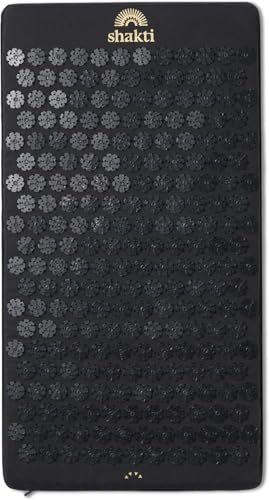
If you have tried other mats and found them underwhelming, the Shakti Mat is likely the next step. It is known for its high-quality, sharp stimulation points that provide a very intense, almost invigorating experience.
This mat is best for those who really want to "feel" the work being done on their muscles. It is not for the faint of heart, but for many, that intensity is exactly what triggers the deep relaxation response needed to combat chronic tension.
The craftsmanship is top-tier, meaning it holds up well to frequent, heavy use. If you are looking for a long-term companion for your evening wind-down, this is a professional-grade option for your home.
How to Use Acupressure Mats for Daily Relief
Start by placing your mat on a flat, stable surface like a rug or a carpeted floor. If you are a beginner, it is helpful to place a thin sheet over the mat to soften the initial contact with the stimulation points.
Lie down slowly, distributing your weight evenly to avoid sharp, uneven pressure. Aim for 10 to 20 minutes of stillness, focusing on deep, rhythmic breathing to help your body accept the sensation.
Consistency is more important than duration, especially in the beginning. Even five minutes of daily use can help your body become accustomed to the sensation and start feeling the benefits of improved circulation.
Safety Tips for First-Time Mat Users at Home
Always consult with a healthcare professional if you have skin conditions, diabetes, or poor circulation before starting a routine. These mats are meant to be a supplement to, not a replacement for, professional medical treatment for chronic pain.
Avoid using the mat on open wounds or areas of skin that are inflamed or irritated. Never fall asleep on your mat, as prolonged, unattended pressure can lead to skin damage or bruising.
Keep the mat away from pets and small children who might mistake the stimulation points for a toy. Storing it in a dedicated bag or a high shelf ensures it stays clean and out of harm’s way when not in use.
Cleaning and Maintaining Your Acupressure Mat
Most mats have a removable cover that can be hand-washed in cool water with a mild detergent. Avoid using harsh chemicals or machine washing, as this can degrade the fabric and the integrity of the stimulation points.
Always air dry your mat away from direct sunlight to prevent the plastic spikes from becoming brittle or the fabric from fading. Once dry, ensure the mat is completely free of moisture before rolling it up for storage.
Regularly inspect the stimulation points for any debris or dust that may have accumulated during use. A quick wipe-down with a damp cloth every few sessions will keep your mat hygienic and ready for your next recovery session.
Finding the right acupressure mat is all about matching the intensity level to your body’s specific needs and storage space. By integrating these simple tools into your daily routine, you can create a consistent, low-cost way to manage stress and muscle tension at home. Start slow, stay consistent, and listen to what your body tells you as you find your perfect balance.