7 Best Printable Iron-on Transfer Papers for T-shirts
Discover the top 7 printable iron-on transfer papers for T-shirts. We evaluate quality, durability, and ease of use to help you choose the best for your DIYs.
Whether you are crafting matching shirts for a family reunion or personalizing gear for a local sports team, the right transfer paper makes all the difference. Choosing the wrong material often leads to fading, cracking, or peeling after just one trip through the laundry. This guide helps you navigate the options so your custom apparel looks professional and lasts through many wears.
Avery Printable T-Shirt Transfers for Light Fabrics
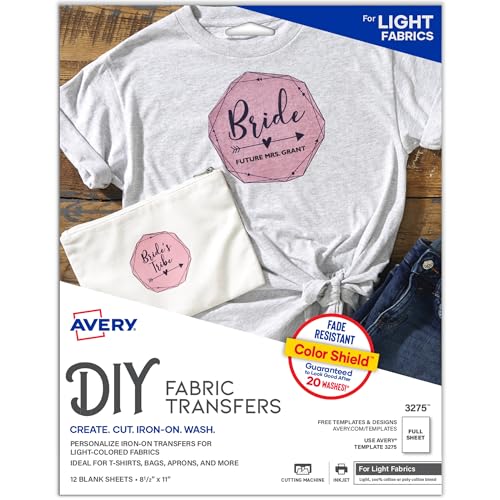

If you are a parent looking to create quick, fun school spirit shirts on a Sunday afternoon, Avery is likely the first brand you will encounter. These sheets are designed specifically for light-colored cotton or poly-cotton blends, making them a go-to for simple, text-heavy designs or light-colored graphics.
The biggest advantage here is accessibility; you can find these at almost any office supply store or big-box retailer. They are incredibly user-friendly for beginners, as the software provided on the Avery website helps you format your images to fit perfectly on the page.
However, keep in mind that these are best for occasional use rather than heavy-duty apparel. They tend to be thinner than professional-grade papers, so handle them with care during the ironing process to avoid unwanted creases.
PPD Inkjet Premium Iron-On Dark Transfer Paper

Dark fabrics require a different chemical composition to ensure your image pops against a black or navy background. PPD (Photo Paper Direct) offers a thick, opaque layer that sits on top of the fabric, preventing the dark color of the shirt from bleeding through your design.
These are excellent for household projects where you want vibrant, high-contrast results without needing a commercial heat press. Because the paper is thicker, it feels more substantial on the shirt, which is great for bold logos or detailed illustrations.
The trade-off is that the design will have a slight "hand" or feel to it, meaning you can feel the transfer when you touch the fabric. If you are making shirts for a one-time event like a birthday party or a holiday, this minor tactile difference is usually a non-issue.
NuFun Activities Inkjet Printable Iron-On Transfers

NuFun is a fantastic option for those who want a softer, more flexible finish on their custom garments. Their papers are engineered to move with the fabric, which makes them less prone to the "cracking" effect that often plagues cheaper transfer sheets after a few washes.
These are particularly well-suited for households with active kids who are constantly running and playing. Because the transfer is thinner and more pliable, it doesn’t feel like a heavy plastic sticker, making the shirt more comfortable for all-day wear.
While they are excellent for comfort, they do require a bit more precision during the ironing phase. Follow the heat and pressure instructions exactly to ensure a long-lasting bond, especially around the edges of your design.
Silhouette America Printable Heat Transfer Material

If you already own a cutting machine, this product is a game-changer for your workflow. Unlike standard iron-on papers that require you to trim by hand, this material is designed to be cut by a machine, allowing for intricate, professional-looking edges.
This is ideal for homeowners who enjoy detailed crafting and want to avoid the "white box" look that happens when you cut around a design manually. It saves significant time and frustration, especially if you are producing a batch of shirts for a group.
Be aware that this product is typically sold in smaller quantities, so it can be more expensive per sheet than bulk office-store alternatives. It is a premium choice for those who prioritize a polished, store-bought aesthetic over raw material cost.
Neenah Paper 3G Jet-Opaque Heat Transfer Paper

Neenah is widely considered the industry standard for professional-grade results at home. The 3G Jet-Opaque is a heavy-duty paper designed specifically for dark fabrics, offering incredible durability and color retention that stands up to frequent washing.
This is the paper I recommend for people who want their shirts to survive more than just a few cycles in the dryer. It provides a crisp, opaque finish that masks the fabric color perfectly, even on deep black cotton.
Because it is a professional product, it can be slightly less forgiving if your iron temperature is inconsistent. If you are a serious hobbyist, investing in a Teflon sheet to use between your iron and the transfer will significantly improve your success rate.
HTVRONT Inkjet Printable Heat Transfer Paper

HTVRONT has gained a massive following recently by offering a balance of affordability and high-quality results. Their papers are known for being very easy to peel, which is a huge relief when you are working on a large project and want to avoid tearing your design.
These sheets work well with standard inkjet printers, making them a great choice for renters or those living in apartments who don’t have space for bulky professional equipment. They are reliable, consistent, and generally hold up well under standard laundry conditions.
The best part about this brand is the value proposition for the price. If you are just starting out and don’t want to break the bank while you learn the ropes, this is a very safe and effective starting point.
Epson Iron-On Cool Peel Transfer Paper
Epson is a brand synonymous with ink quality, and their transfer paper is designed to work seamlessly with their inksets. The "cool peel" feature means you don’t have to worry about burning your fingers while the transfer is still piping hot; you simply wait for it to cool before removing the backing.
This feature is a major benefit for anyone who is nervous about the ironing process. It allows you to take your time and ensures the design has fully bonded with the fabric fibers before you lift the paper away.
While it is optimized for Epson printers, it generally performs well with most standard inkjet printers. It is a reliable, stress-free option for those who prefer a slower, more methodical crafting process.
How to Choose Paper for Light vs. Dark Fabrics
- Light Fabrics: Use transparent transfer paper. The ink is printed in reverse, and the fabric color shows through the white areas of your design.
- Dark Fabrics: Use opaque (white-backed) transfer paper. This creates a solid base layer that prevents the dark shirt color from showing through your image.
- Fabric Content: Always check your shirt labels. 100% cotton is the easiest to work with, while high-polyester blends may require specific papers to prevent the ink from migrating or "sublimating" into the fabric.
Essential Tips for Perfect Iron-On Application
- Prep the Surface: Always iron your shirt first to remove all moisture and wrinkles. A flat, dry surface is the foundation of a successful transfer.
- Pressure is Key: Use a hard surface like a wooden table or a dedicated heat press mat. Do not use an ironing board, as the padding will absorb the pressure you need to bond the adhesive.
- Avoid Steam: Empty all water from your iron before you begin. Steam will prevent the adhesive from bonding correctly and can cause the design to peel prematurely.
How to Properly Wash and Maintain Your Designs
- The 24-Hour Rule: Wait at least 24 hours after applying the design before washing the shirt for the first time. This allows the adhesive to fully cure.
- Flip it Inside Out: This is the most important step. Turning the shirt inside out protects the design from the friction of the agitator and other clothes in the machine.
- Cold Wash, Low Heat: Use cold water and a gentle cycle whenever possible. When drying, use a low-heat setting or, even better, hang the shirt to dry to keep the transfer looking crisp for years.
Creating your own custom T-shirts is a rewarding way to add a personal touch to your wardrobe without the high cost of custom printing services. By choosing the right paper for your fabric type and following these simple application and care tips, you can achieve professional results at home. Start with a small test project, be patient with your iron, and enjoy the process of turning your ideas into wearable art.