
8 Best Hypoallergenic Cellulose Sponges for Sensitive Skin
Discover the top 8 hypoallergenic cellulose sponges for sensitive skin. Learn how these gentle, natural tools prevent irritation and ensure a safe clean.
Finding the right sponge is often an overlooked step in protecting your skin from the harsh chemicals and abrasive textures found in standard cleaning supplies. For those with sensitive skin or contact dermatitis, the material touching your hands during daily chores matters just as much as the soap you use. This guide will help you navigate the best hypoallergenic cellulose options to keep your hands protected and your home clean.
Scrub-It Cellulose Sponges: Best Overall Choice


When you are tackling a sink full of dishes after a large family dinner, you need a sponge that balances absorption with a comfortable grip. Scrub-It sponges are widely considered the gold standard because they manage to stay soft even after repeated wringing.
The material is derived from wood pulp, making it naturally hypoallergenic and free from the synthetic dyes that often trigger skin reactions. While they are slightly pricier than generic store brands, their ability to resist odors and stay intact for weeks makes them a cost-effective choice for busy households.
Bottom line: If you want a reliable, long-lasting sponge that won’t irritate your hands, this is the most balanced option for daily use.
O-Cedar Scrunge Sponge: Gentle Scrubbing Power
Safely clean all hard surfaces with this non-scratch, odor-resistant scrub sponge. Its extra-thick, durable design tackles tough messes and rinses clean for long-lasting use in your kitchen and bathroom.

If you live in an apartment with limited counter space and a small sink, you likely need one tool that does it all. The O-Cedar Scrunge is unique because it features a rippled surface that breaks up food particles without the need for harsh, skin-scratching scouring pads.
This design is particularly helpful for those who suffer from eczema, as it minimizes the friction against your fingertips while you scrub. The texture is firm enough to handle dried-on pasta sauce but soft enough to ensure your skin doesn’t feel raw after cleaning.
Bottom line: Choose this if you need a versatile sponge that handles tough jobs without relying on abrasive materials that can irritate sensitive skin.
Casabella Cellulose Sponges for Daily Cleaning

Casabella has built a reputation on ergonomic design, which is a major win for homeowners who deal with joint pain or skin sensitivity. These sponges are shaped to fit comfortably in the palm, reducing the amount of pressure you need to apply while washing.
Because they are made from high-quality cellulose, they rinse clean very easily. Preventing soap residue from building up inside the sponge is the best way to avoid skin irritation, and these sponges excel at staying "fresh" between uses.
Bottom line: These are ideal for those who prioritize comfort and ease of handling during long cleaning sessions.
Libman Multi-Purpose Sponges: Durable and Soft

In a household where multiple people are sharing chores, you need a sponge that can withstand different cleaning styles. The Libman multi-purpose sponge is a workhorse that maintains its structural integrity without becoming a breeding ground for bacteria.
The soft cellulose side is remarkably gentle on the hands, providing a cushioned feel that is perfect for those with reactive skin. While they are slightly larger than some premium sponges, they fit standard sink caddies perfectly and provide excellent value for the price.
Bottom line: If you are looking for a durable, no-nonsense sponge that is widely available and easy on the budget, Libman is a solid choice.
Scotch-Brite Delicate Care: Non-Scratch Design

Many people mistakenly believe that "non-scratch" only applies to the surface being cleaned, but it is equally important for your skin. The Scotch-Brite Delicate Care line is designed to be soft to the touch, preventing the micro-abrasions that often lead to irritation.
These are excellent for delicate glassware or non-stick pans where you don’t want to use aggressive force. By reducing the physical effort required to clean, you naturally reduce the stress placed on your skin.
Bottom line: This is the best option for cleaning high-end kitchenware while keeping your hands safe from rough, scratchy materials.
Trader Joe’s Cellulose Sponges: Natural Value
These Trader Joe's pop-up sponges are made from natural vegetable cellulose. They expand with water for easy use and are a sustainable choice for your kitchen.
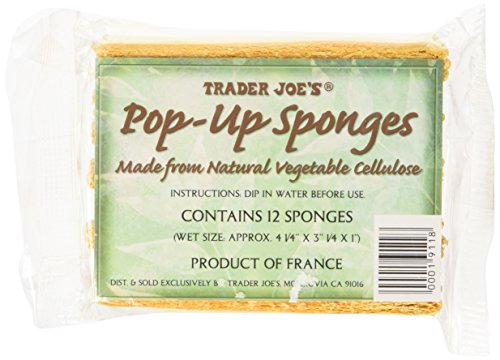
For the budget-conscious homeowner, finding a natural, hypoallergenic option at a grocery store is a significant win. Trader Joe’s cellulose sponges are simple, effective, and free from the heavy fragrances or chemical treatments found in some industrial-grade sponges.
They are sold in convenient packs, making them easy to swap out frequently. In a small kitchen, keeping a fresh supply on hand is the best way to ensure your cleaning tools remain hygienic and skin-friendly.
Bottom line: You don’t need to spend a fortune to get a natural product; these are a fantastic, accessible choice for everyday cleaning.
If You Care Natural Sponges: Eco-Friendly Pick
If you are sensitive to the synthetic materials or microplastics found in many standard sponges, the "If You Care" brand is an excellent alternative. These sponges are made from 100% natural cellulose and are fully compostable, which is a big plus for environmentally conscious households.
Because they are free from chlorine and synthetic dyes, they are much less likely to cause a reaction on sensitive skin. They feel slightly different than plastic-based sponges, but the trade-off for a cleaner, more natural product is well worth it.
Bottom line: If you want to eliminate synthetic chemicals from your cleaning routine, this is the most responsible and skin-safe choice.
Full Circle In-Sight Sponges for Sensitive Skin
Full Circle focuses on modern design and sustainable materials, making their sponges a great fit for contemporary kitchens. The In-Sight sponge features a cellulose side that is exceptionally soft and absorbent, perfect for wiping down counters without irritating your wrists or palms.
They are designed to be replaced regularly, which is the best practice for maintaining a healthy kitchen environment. Their slim profile also makes them easy to store in tight spaces, such as under-sink organizers or small drawers.
Bottom line: Choose these if you value a sleek, modern aesthetic and a sponge that feels soft and gentle during repetitive wiping tasks.
Why Cellulose Is Ideal for Sensitive Skin Types
Cellulose is essentially wood pulp, which makes it a plant-based, renewable material that is inherently less irritating than synthetic foams. Unlike plastic-based sponges that can harbor sharp, jagged micro-plastics, cellulose remains soft and porous.
This material is also highly absorbent, meaning it holds onto soap and water efficiently, allowing you to clean with less physical friction. When your sponge holds moisture well, you don’t have to press as hard against your dishes or countertops, which protects your skin from unnecessary abrasion.
- Breathability: Cellulose allows for better airflow, which helps the sponge dry faster and prevents the growth of skin-irritating mold.
- Chemical-Free: Most cellulose sponges are free from the harsh additives used to color or stiffen synthetic sponges.
- Softness: The natural fibers provide a cushioned surface that is far gentler on the delicate skin of your hands.
How to Properly Sanitize Your Kitchen Sponges
Even the best hypoallergenic sponge can become a source of irritation if it is not kept clean. Bacteria buildup is a leading cause of skin flare-ups, so establishing a sanitization routine is essential for any homeowner.
You can sanitize your cellulose sponge by soaking it in a solution of one part vinegar to four parts water, or by placing it in the dishwasher on a high-heat cycle. Avoid using the microwave, as it can melt the fibers and release trapped chemicals if the sponge contains synthetic components.
- Frequency: Aim to sanitize your sponge at least twice a week, or whenever you notice a slight odor.
- Replacement: Regardless of how well you clean it, replace your sponge every two to three weeks to ensure it remains hygienic.
- Drying: Always wring out your sponge thoroughly and place it in a well-ventilated holder to ensure it dries completely between uses.
Maintaining a healthy home environment doesn’t have to come at the cost of your skin’s comfort. By choosing hypoallergenic cellulose sponges and keeping them clean, you can tackle your daily chores with confidence and ease. Remember that the best tool is the one that fits your routine, so don’t be afraid to try a few of these options to see which feels best in your hands.

