

7 Best Exterior Caulks for Cold Climates That Last
Seal gaps effectively in freezing temperatures. Discover the 7 best exterior caulks engineered for extreme cold, ensuring durability and lasting protection.
Drafty windows and peeling exterior seals are more than just an eyesore; they are the primary culprits behind rising energy bills and hidden moisture damage in your home. Choosing the right caulk for cold climates requires balancing chemical durability with the physical reality of how materials expand and contract in freezing weather. This guide will help you select a long-lasting sealant that protects your home without requiring a professional contractor’s budget.
Sashco Big Stretch: Best Overall for Flexibility


If you’ve ever noticed your window frames pulling away from the siding as the seasons change, you know that rigidity is the enemy of a good seal. Sashco Big Stretch is designed specifically to handle the "breathing" of a house, stretching up to 500% to maintain a watertight barrier.
It is an excellent choice for homeowners in areas with extreme temperature swings, as it won’t crack when your home materials shrink in the winter chill. Because it remains so pliable, it is forgiving for DIYers who might not have perfectly steady hands during application.
Keep in mind that while this product is incredibly durable, it takes a bit longer to fully cure than some industrial-grade options. If you are sealing a high-traffic area, give it ample time to set before subjecting it to heavy moisture or physical contact.
OSI QUAD Max: Best for Extreme Weather Sealing

When you live in a region where winter brings biting winds and ice dams, you need a sealant that can be applied in less-than-ideal conditions. OSI QUAD Max is a favorite among professional contractors because it adheres to damp surfaces and can be applied in temperatures as low as 0°F.
This product is particularly useful for sealing around doors and window flanges where the wind is most likely to penetrate. It creates an incredibly tough bond that resists the harsh UV rays of winter sun, which can often degrade lesser materials.
Because this is a high-performance, solvent-based sealant, it does have a stronger odor during application than water-based alternatives. Ensure you have proper ventilation if you are working in a tight entryway or a small porch area.
GE All Weather: Best Silicone for Cold Adhesion

Silicone is the gold standard for water resistance, and GE All Weather takes that reliability and makes it accessible for the average homeowner. It is a true 100% silicone product, meaning it won’t shrink, crack, or yellow over time, even when exposed to snow and ice.
This is a fantastic option for small-scale repairs, such as sealing a gap around a dryer vent or a small corner of a window frame. Its ability to adhere to a wide variety of materials—including vinyl, wood, and metal—makes it a versatile "problem solver" to keep in your utility closet.
One trade-off to remember is that pure silicone is generally not paintable. If you are planning to touch up your exterior trim with paint later, you will want to skip this one and opt for a hybrid or paintable acrylic instead.
DAP Dynaflex 230: Best for Paintable Surfaces
DAP Dynaflex 230 Pro is a white, low-odor elastomeric sealant offering superior flexibility and crackproof performance for windows, doors, and siding. Its removable nozzle reaches tight spaces, and it's paintable in 2 hours for a durable, waterproof seal.
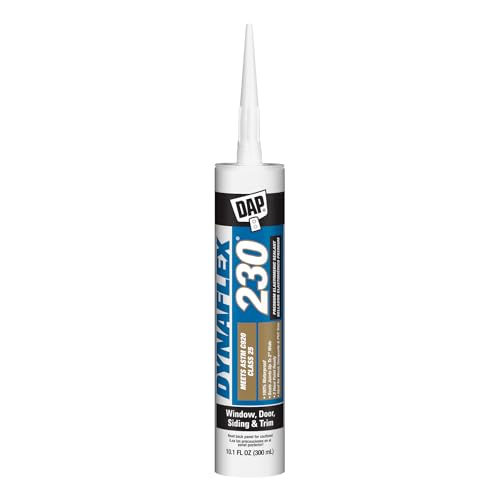
There is nothing more frustrating than spending an afternoon caulking your exterior trim, only to find that your paint won’t stick to the bead. DAP Dynaflex 230 bridges the gap between the flexibility of a high-end sealant and the finish of a painter’s caulk.
It is an ideal choice for homeowners who take pride in their curb appeal and want a seamless, painted look around their window casings. It provides a professional-grade finish that resists cracking, even when the underlying wood expands and contracts in the cold.
Because it is water-based, cleanup is a breeze—you only need soap and water rather than harsh chemical solvents. It is the most "user-friendly" option on this list for those who don’t want to deal with the mess of silicone-based products.
Loctite PL S40: Best for Heavy Duty Exterior Use
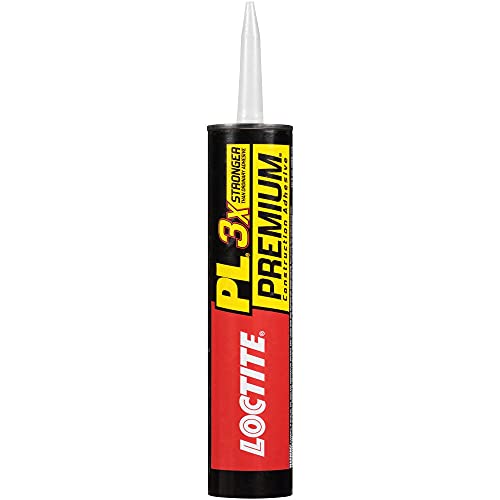
If you are dealing with significant gaps around masonry, concrete foundations, or heavy timber, you need a sealant with some real "heft." Loctite PL S40 is a polyurethane-based sealant that is designed to handle the structural movement of larger gaps.
This product is significantly more durable than standard acrylics, making it a great investment for long-term exterior maintenance. It is tough enough to withstand the abrasive nature of ice and snow buildup against a foundation or a deck joint.
Be aware that polyurethane sealants can be slightly more difficult to tool or smooth out compared to acrylics. Use a little bit of mineral spirits on your finger or a smoothing tool to get a clean, professional-looking bead without the product sticking to you.
Solar Seal 900: Best for Superior Joint Movement

Solar Seal 900 is a high-performance terpolymer sealant that is often used in commercial construction, but it is equally effective for residential windows and doors. Its primary strength lies in its ability to handle extreme joint movement without losing its seal.
If you have an older home that shifts significantly throughout the year, this is the product that will hold the line. It is highly resistant to dirt pickup, which means your white or light-colored trim will stay looking clean throughout the winter months.
This is a premium product, so it usually comes with a higher price tag than your average hardware store tube. However, for critical areas that are prone to leaks, the extra cost is well worth the peace of mind.
White Lightning 3006: Best for Quick Cure Times
Sometimes, you have a window of opportunity between winter storms and you need a product that sets up fast. White Lightning 3006 is known for its quick-cure properties, allowing it to become water-resistant much faster than most standard exterior caulks.
This is a great choice for the busy homeowner or renter who needs to make a quick repair before a forecasted freeze. It is paintable and offers excellent adhesion to most common building materials, making it a reliable "all-rounder."
While it is fast-acting, remember that "quick cure" doesn’t mean it should be applied during a blizzard. Always try to find a dry, relatively calm day to apply your sealant to ensure the best possible bond to the surface.
Why Flexibility Matters in Freezing Temperatures
In cold climates, your home is constantly in motion. Materials like wood, vinyl, and metal contract in the cold and expand when the sun hits them, creating a "tug-of-war" on your caulk joints.
If your sealant is too rigid, it will snap under this pressure, creating tiny hairline fractures that allow moisture to seep in. Once water enters those gaps and freezes, it expands, turning a tiny crack into a major opening for drafts and water damage.
- Acrylics: Best for moderate movement and painting.
- Polyurethanes: Best for heavy-duty, structural movement.
- Silicones: Best for extreme weather and water-tightness.
How to Properly Prep Joints for Winter Caulking
The most expensive caulk in the world will fail if it is applied to a dirty, wet, or flaking surface. Before you even open your tube, ensure the joint is completely free of old, crumbling caulk, dust, and debris.
Use a utility knife or a dedicated caulk removal tool to scrape out the old material, then wipe the area down with a dry cloth or a brush. If there is ice or frost in the joint, you must thaw and dry it completely—a hairdryer is a great tool for this—before applying any sealant.
- Remove old caulk: Never layer new caulk over old, failing material.
- Clean the surface: Use a rag to ensure the substrate is dry and dust-free.
- Backer rod: For gaps deeper than 1/4 inch, use a foam backer rod to save on product and provide a better shape for the sealant.
Tips for Applying Sealant in Low Temperatures
Working in the cold requires a bit of strategy to ensure the product flows correctly and bonds well. First, keep your tubes of caulk inside your warm house until the very moment you are ready to use them; cold caulk is notoriously difficult to extrude.
If the ambient temperature is very low, the sealant will be thicker and harder to smooth out. Keep a container of warm water nearby to soak your smoothing tool, which will help you achieve a clean, professional finish even in chilly weather.
Finally, work in smaller sections to ensure you can tool the bead before the product begins to skin over. Rushing the process in the cold often leads to gaps or thin spots, so take your time to ensure the sealant is firmly pressed into the joint.
Maintaining your home’s exterior in a cold climate is a marathon, not a sprint, but the right sealant makes all the difference. By choosing a product that matches your specific building materials and local weather patterns, you can prevent costly repairs down the road. Keep your tubes stored at room temperature, prep your surfaces thoroughly, and you will have a weather-tight home all winter long.
