

7 Best Egg Carton Alternative Seed Starters
Ditch the egg cartons! Discover 7 eco-friendly seed starter alternatives that boost drainage, promote root health, and simplify your spring planting process.
Starting seeds at home is a rewarding way to bring nature indoors, but the humble egg carton often leads to soggy, moldy messes that frustrate even the most enthusiastic gardener. Transitioning to purpose-built seed starters ensures your plants have the airflow and drainage they need to thrive from day one. Choosing the right vessel is the difference between a successful harvest and a windowsill full of wilted, stunted seedlings.
CowPots Biodegradable Square Starter Pots


If you are tired of the plastic waste generated by traditional nursery trays, CowPots offer a brilliant, farm-grown solution. Made from composted cow manure, these pots are surprisingly sturdy and provide a natural nutrient boost as they break down in the soil. They are an excellent choice for gardeners who want to avoid the "transplant shock" that often occurs when roots are disturbed during re-potting.
Because these pots are porous, they breathe exceptionally well, preventing the root rot that frequently plagues cardboard or plastic alternatives. You can plant the entire pot directly into your garden bed, allowing the roots to grow right through the walls. This feature makes them perfect for busy households where time is a premium, as you skip the delicate step of removing a plant from its container.
However, keep in mind that these pots do hold moisture differently than plastic. You will need to monitor your soil moisture levels closely, especially in dry, climate-controlled apartments. If you are looking for a sustainable, set-it-and-forget-it method for your tomatoes or peppers, these are a top-tier investment.
Jiffy Professional Peat Pellets for Seeds

For those living in small apartments or homes with limited storage space, Jiffy peat pellets are a total game-changer. These compressed discs take up almost no room in your pantry until you add water, at which point they expand into perfect, self-contained growing cylinders. They are arguably the most space-efficient option on the market for starting a large volume of seeds.
The mesh netting surrounding the pellet keeps the soil contained, which is a massive relief if you are starting seeds on a kitchen counter or a desk. Once the seedlings are ready, you simply plant the entire pellet into the ground or a larger pot. It eliminates the need for messy potting soil bags and specialized scoops during the initial germination phase.
The primary trade-off is the lack of structural longevity; these are strictly for the germination phase and early growth. If you wait too long to transplant, the roots can become slightly constrained by the mesh. For a quick, clean, and highly portable start, these remain a classic staple for a reason.
Burpee Super Seed Starting Greenhouse Kit

If you are a beginner who feels overwhelmed by the logistics of lighting and humidity, an all-in-one greenhouse kit is the most reliable path to success. These kits typically include a sturdy tray, a clear plastic humidity dome, and pre-measured planting cells. It creates a micro-climate that keeps seeds warm and moist, significantly increasing your germination rate.
The humidity dome is the standout feature here, acting as a mini-greenhouse that prevents the soil from drying out while you are at work or running errands. For households with dry air, this is essential for keeping delicate seeds alive. You can easily tuck these kits onto a sunny windowsill or under a basic shop light in a laundry room.
While these kits are convenient, the plastic trays are generally not indestructible and may need replacement after a few seasons. If you want a foolproof system that takes the guesswork out of the initial "sprouting" phase, this is your best starting point. Just remember to remove the dome once the first true leaves appear to ensure proper airflow.
Gardenerâs Supply Company Felt Grow Cells
Felt grow cells are a fantastic choice for the eco-conscious gardener who wants a reusable, durable system that doesn’t feel like flimsy plastic. The fabric material allows for "air pruning," a process where roots stop growing once they reach the edge of the pot, preventing the circular, tangled root systems common in plastic containers. This results in a much healthier, more vigorous plant.
These cells are lightweight and collapsible, making them ideal for renters who might move frequently or homeowners with limited garage space. Because they are fabric, they are virtually impossible to break or crack, unlike rigid plastic trays. You can wash them at the end of the season and store them in a small drawer until next spring.
One consideration is that fabric pots dry out faster than plastic ones. You will likely need to water your seedlings more frequently, which is a small price to pay for the superior root health these cells provide. If you are serious about growing strong, transplant-ready starts, the investment in high-quality felt is well worth it.
Bootstrap Farmer Heavy Duty Seedling Trays
These extra-strength, BPA-free 1020 trays are designed for robust seed starting and microgreen cultivation. Their hole-free construction ensures easy planting and efficient drainage, fitting seamlessly with other Bootstrap Farmer equipment.
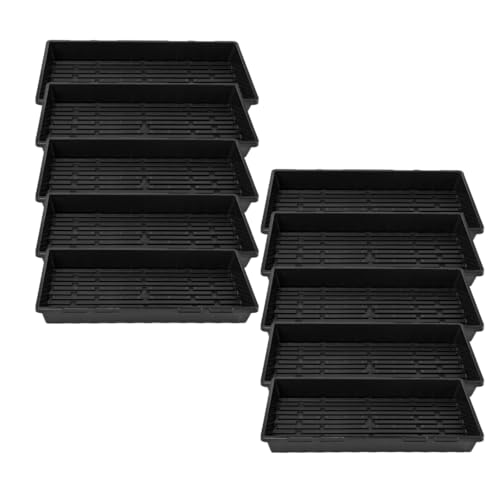
If you have moved past the hobbyist phase and are planning a serious garden, skip the cheap, thin plastic trays found at big-box stores. Bootstrap Farmer trays are designed to last for years, providing a rigid, stable base that won’t buckle when you carry them between rooms. They are the gold standard for durability in the home gardening world.
These trays are excellent for households that start dozens of plants at once, as they are designed to fit perfectly on standard metal shelving units. Their rigidity makes them easy to move, even when fully saturated with water and soil. You can stop worrying about spills and broken trays mid-season.
The initial cost is higher than a disposable tray, but the cost-per-use is significantly lower when you consider they can last for a decade or more. They are a practical, long-term solution for anyone who treats gardening as a permanent part of their lifestyle. Just ensure you have the shelf space to accommodate these professional-grade dimensions.
Eco-Friendly Coconut Coir Fiber Seed Pots

Coconut coir pots are a wonderful alternative for gardeners who prefer a natural aesthetic and want to avoid the potential odor of manure-based pots. These pots are lightweight, biodegradable, and offer excellent drainage, which is vital for preventing the "damping off" disease that often kills young seedlings. They provide a very natural environment for root development.
These pots are especially great for children or beginners, as they are easy to handle and hold together well during the watering process. When it is time to move the plant outside, the pot breaks down in the soil, enriching the garden bed as it decomposes. They are a clean, earth-friendly way to manage your indoor-to-outdoor transition.
Be aware that these pots can sometimes act like a wick, pulling moisture away from the soil if the surrounding environment is very dry. Keep them grouped together in a tray to maintain a humid micro-climate around the pot walls. They are a reliable, mid-range choice that balances cost and environmental impact perfectly.
Root Pouch Fabric Aeration Starter Pots

Root Pouch pots are a step up in technology, often made from recycled plastic water bottles woven into a fabric that encourages incredible root density. They are highly favored by serious vegetable gardeners because they prevent the roots from becoming "root-bound," which is a common cause of poor plant performance later in the season. These pots are essentially a gym for your plant’s root system.
These are particularly useful if you are starting larger seedlings, such as peppers or tomatoes, that need a bit more time indoors before the final frost. The fabric allows the roots to breathe, which leads to a much faster growth rate compared to traditional containers. They are also remarkably lightweight, making them easy to rotate for even sun exposure.
While they are more expensive than basic plastic, the health of your final crop is usually much better. If you have limited space and need every plant to be as productive as possible, these are an excellent choice. They are a long-term investment in the quality of your garden’s output.
Why Biodegradable Pots Benefit Root Health
Biodegradable pots are fundamentally different from plastic because they eliminate the need to physically remove the plant from its container. When you pull a plant out of a plastic pot, you inevitably damage the fine, hair-like root tips that are responsible for nutrient uptake. By planting the container directly into the earth, these delicate roots remain completely undisturbed.
Furthermore, most biodegradable options are porous, which naturally encourages air pruning. As roots reach the edge of the pot, they encounter air instead of a solid wall, causing them to branch out and create a denser, more fibrous root mass. This creates a much stronger plant that is better equipped to handle the stress of being moved outdoors.
It is important to remember that these pots do not last forever. They are designed to break down, so you should avoid over-watering them to the point of structural failure before it is time to plant. They offer a "natural" transition that minimizes the shock of moving from a cozy indoor environment to the unpredictable outdoors.
Essential Tips for Successful Seed Starting
Regardless of the container you choose, the success of your seeds relies heavily on the quality of your seed-starting mix. Avoid using standard garden soil, which is often too heavy and can harbor pests or fungal diseases that kill young seedlings. Always use a sterile, lightweight mix designed specifically for starting seeds.
Lighting is the second most critical factor in your routine. Most households do not have enough natural light on a windowsill to prevent seedlings from becoming "leggy" or weak. If you are serious about your results, invest in a simple LED shop light that you can adjust as your plants grow taller.
Finally, keep a consistent schedule for watering and observation. Seedlings are sensitive to fluctuations in moisture, and a single day of extreme dryness can be fatal. Use a spray bottle for the first few weeks to avoid washing away seeds, and always water from the bottom if your tray design allows for it.
How to Properly Transplant Your Seedlings
Transplanting is the most high-stakes moment in a seedling’s life, and preparation is key. About a week before you plan to move your plants outside, you must "harden them off" by gradually exposing them to outdoor conditions. Start with an hour of shade, then slowly increase their time in the sun and wind over several days.
When you are ready to plant, dig a hole slightly larger than your container and ensure the soil is loose and pre-moistened. If you are using a biodegradable pot, tear off any portion of the rim that sticks out above the soil line; if left exposed, it can act as a wick and draw moisture away from the plant. This simple step ensures the pot stays buried and decomposes efficiently.
Water your seedlings immediately after transplanting to help settle the soil around the roots and eliminate air pockets. If you are planting in a particularly sunny or windy spot, consider using a small cloche or a makeshift windbreak for the first few days. Gentle care during this transition will pay off with a robust, productive garden.
Choosing the right seed starter is about balancing your available space, your budget, and the specific needs of the plants you want to grow. Whether you opt for reusable fabric cells or convenient biodegradable pots, the goal is to provide a stable, healthy environment for those first few weeks of growth. By focusing on root health and consistent care, you will be well on your way to a successful and rewarding gardening season.
