

7 Best Double-Face Hammers for General Purpose Use
Discover the 7 best double-face hammers for general tasks. This guide compares durability, balance, and grip to help you choose the ideal tool for your kit.
Every homeowner eventually faces the frustration of needing to drive a stubborn piece of furniture together or nudge a stuck pipe without leaving a permanent dent. A quality double-face hammer is the unsung hero of the junk drawer, bridging the gap between brute force and delicate precision. This guide will help you select the right tool to handle your household repairs without damaging the surfaces you work so hard to maintain.
Estwing Dead Blow Hammer: Best for Heavy Duty Use


When you are dealing with rusted garden equipment or stubborn landscape timbers, a standard hammer often bounces back, wasting energy and risking injury. The Estwing Dead Blow uses internal steel shot to absorb that recoil, ensuring every ounce of your effort transfers directly into the strike.
For homeowners with a garage or a workshop, this tool is indispensable for heavy-duty assembly. Its solid construction means it can take a beating for years without cracking, making it a true "buy it once" investment.
While it is heavier than your average household mallet, the added mass is a benefit for tasks that require significant force. Just be mindful that it takes up a bit more shelf space, so it is best suited for those with a dedicated tool chest or pegboard.
Stanley 16-Ounce Soft-Face: Best for General Tasks
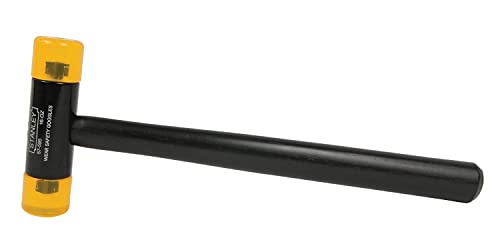
If you live in an apartment and only need one hammer for occasional furniture assembly or hanging heavy decor, the Stanley 16-ounce soft-face is your go-to. It offers a balanced weight that isn’t too taxing on the wrist, yet it provides enough punch for standard household repairs.
The replaceable tips are a fantastic feature for the budget-conscious user. When the face eventually wears down from years of use, you don’t have to buy a new tool; you simply swap out the heads.
This versatility makes it a reliable companion for renters who need a compact, multi-functional tool. It won’t mar your baseboards or cabinets, saving you from expensive touch-up paint jobs later.
Vaughan 18-Ounce Double-Face: Best for Woodworking
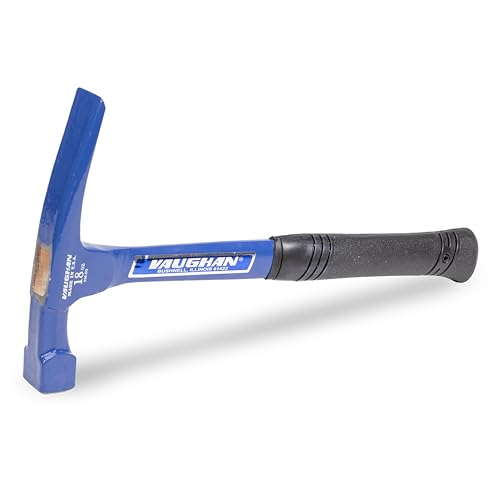
Woodworkers know that even a slight slip with a metal-faced hammer can ruin a finished project. The Vaughan 18-ounce double-face hammer features a specialized head design that provides the necessary impact for setting joints while protecting the integrity of the grain.
The balance of this tool is exceptional, allowing for controlled, precise swings. It feels natural in the hand, which is crucial when you are working on delicate cabinetry or custom shelving units.
Because it is designed for finesse rather than demolition, treat it as a specialized tool for your finer projects. It is a perfect addition for the homeowner who enjoys DIY furniture building as a hobby.
Picard 30mm Rotband-Plus: Best for Precision Work
When you are performing tight-quarters repairs, such as adjusting a hinge or fitting a small dowel, a large mallet is often too clumsy. The Picard 30mm offers a smaller profile that excels in situations where space is at a premium and accuracy is paramount.
The German engineering behind this tool is evident in its handle-protection sleeve, which prevents damage if you happen to miss your mark. It’s a thoughtful feature for those who are still honing their DIY skills.
This is a premium choice, and the price reflects its high-quality materials. If you value precision and longevity over immediate cost savings, this is an excellent choice for your toolkit.
Tekton 16-Ounce Dead Blow: Best Value for Money

Not every household project requires a professional-grade tool that costs a week’s grocery budget. The Tekton 16-ounce dead blow provides the essential recoil-reduction features of more expensive brands at a price point that is accessible for every household.
Its bright color makes it easy to spot in a cluttered junk drawer or a dark tool bag. It’s a reliable, no-nonsense tool that performs exactly as advertised without any unnecessary bells or whistles.
For the casual homeowner who wants a functional, durable tool for occasional use, this is arguably the best value on the market. You get the benefits of dead-blow technology without the premium price tag.
Thor 712 Copper and Rawhide: Best for Soft Surfaces
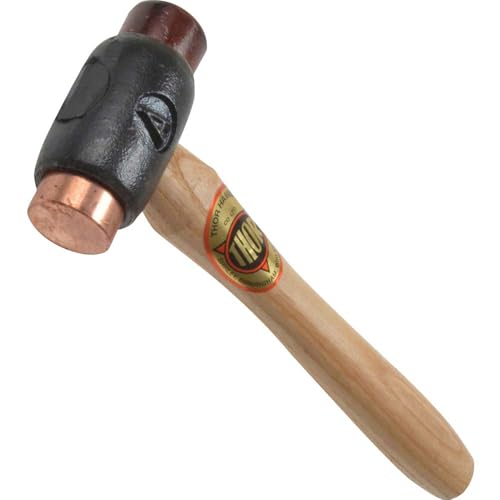
There are times when you need to strike a metal part without causing deformation or sparks. The Thor 712, with its unique combination of copper and rawhide, is designed specifically for these sensitive mechanical tasks.
Copper is soft enough to deform upon impact, protecting the target surface, while the rawhide side offers a slightly different level of shock absorption. It is the gold standard for automotive maintenance or delicate metalwork around the home.
Because these materials are specialized, they will wear down faster than synthetic plastic faces. Consider this a professional-grade tool that requires a bit more maintenance but offers unparalleled protection for your surfaces.
Trusty-Cook 2-Pound Hammer: Best for Non-Marring
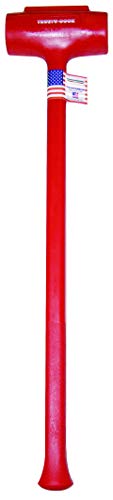
When you need to apply significant force to a surface that is easily scratched, such as finished hardwood or painted trim, a standard mallet might still be too hard. The Trusty-Cook 2-pound hammer is crafted from polyurethane, which is designed to strike hard while remaining soft enough to avoid leaving a single mark.
This tool is a favorite for flooring installation or assembling delicate trim work. It is essentially a "force without the fallout" solution for your home renovation needs.
Keep in mind that the 2-pound weight is substantial, so it is best for tasks where you have room to swing. It is a specialized tool that will save you hours of repair work on finished surfaces.
Understanding Head Materials and Impact Surfaces
- Plastic/Polyurethane: Ideal for general household use; won’t mar wood or painted surfaces.
- Rubber: Good for light-duty tasks; provides a "bouncy" feel that is easy on the wrists.
- Copper/Brass: Used for non-sparking applications and striking metal parts without damaging them.
- Rawhide: Excellent for delicate mechanical work; absorbs shock exceptionally well.
When choosing a head material, always consider what you will be hitting most often. If you are mostly assembling flat-pack furniture, a plastic-faced hammer is your best friend. If you are working on your car or metal plumbing, look toward copper or brass.
How to Choose the Correct Weight for Your Projects
The weight of the hammer should match the scale of your project. A 16-ounce hammer is generally the "sweet spot" for most household tasks, providing enough force for assembly without causing fatigue.
If you are doing heavy demolition or working with large timbers, you might need something in the 24-ounce to 32-ounce range. However, remember that heavier tools increase the risk of accidental damage if you lose control of your swing.
For smaller, delicate tasks, do not be afraid to go lighter. A 12-ounce or 14-ounce mallet gives you much more control and reduces the likelihood of over-striking your project.
Essential Safety Tips for Using Double-Face Tools
Always wear safety glasses when using any hammer, especially when striking metal on metal. Even with a soft-face hammer, debris can occasionally chip off the target surface and fly toward your eyes.
Inspect your hammer head before every use, particularly the faces. If the plastic or rubber is cracked or starting to chip, it is time to replace the face or the tool to prevent flying debris.
Finally, keep your work area clear of clutter. A clear workspace allows for a proper, controlled swing, which is the most important factor in both safety and the quality of your finished project.
Selecting the right double-face hammer is about balancing the needs of your current projects with the storage limitations of your home. Whether you choose a high-end precision tool or a reliable budget-friendly option, prioritize comfort and surface protection to ensure your repairs stay professional. With the right tool in your hand, you can tackle any household task with confidence and ease.
