7 Best Levels With Non-slip Grips For Arthritis
Discover 7 levels featuring ergonomic, non-slip grips designed for arthritis. Improve precision and comfort with these joint-friendly, high-utility tools.
Finding the right tools when you have arthritis means prioritizing comfort and grip over sheer industrial strength. These seven levels have been selected specifically for their ergonomic handling and non-slip features that reduce strain during home repairs. Choosing the right equipment ensures you can continue tackling your DIY projects without unnecessary pain or fatigue.
Stabila 196-2 Spirit Level: Best Overall Grip


When you are tackling a large-scale project like hanging a gallery wall or installing floating shelves, you need a level that feels like an extension of your hand. The Stabila 196-2 is widely considered the gold standard for a reason. Its unique, rubberized handholds provide a secure, non-slip grip that prevents the tool from sliding out of your grasp mid-task.
The frame is built with a rigid, reinforced profile that resists twisting, yet it remains surprisingly balanced. For someone with arthritis, the weight distribution is key; it doesn’t feel front-heavy, which prevents wrist strain during prolonged use.
While this is a premium investment, the durability is unmatched. It is a tool you buy once and keep for a lifetime of home improvements.
Empire True Blue Magnetic Level: High Visibility

If you have ever struggled to read a level in a dim basement or a poorly lit closet, you know how frustrating it can be to squint at tiny vials. The Empire True Blue is famous for its high-contrast, "True Blue" vials that make reading the bubble effortless. This reduces the time you need to hold the tool in place, saving your hands from unnecessary tension.
The magnetic edge is a game-changer for working on metal studs or door frames. Being able to "stick" the level to the surface allows you to free up one hand, which is vital for managing joint discomfort.
The grips on the side are soft and tactile, providing enough friction to prevent slips without requiring a crushing grip. It is a reliable, mid-range option that balances professional performance with user-friendly features.
Johnson Level & Tool 1400: Lightweight Design
Sometimes, the best tool is simply the lightest one you can find. If you live in an apartment and only need a level for occasional picture hanging or furniture assembly, you don’t need a heavy-duty construction tool. The Johnson 1400 is remarkably lightweight, making it easy to maneuver without tiring your joints.
The aluminum frame is sturdy enough for everyday tasks but won’t weigh down your toolbox. Its slim profile is also perfect for small-space living, as it slides easily into a drawer or a narrow utility closet.
While it lacks the heavy rubberized bumpers of larger professional models, its simplicity is its greatest strength. It is an affordable, practical choice for light-duty home maintenance.
Klein Tools 9-Inch Torpedo Level: Easy Handling

Torpedo levels are the unsung heroes of the home tool kit because they are compact and incredibly versatile. The Klein Tools 9-inch model is designed specifically for tight spaces where a full-sized level would be cumbersome. Its small size means you aren’t fighting leverage or gravity, which is a massive win for arthritic wrists.
The body features a high-visibility, easy-grip surface that is comfortable to hold even when your hands are stiff. Because it is so small, you can carry it in your apron or pocket, reducing the number of trips you need to make to your toolbox.
This level is a fantastic addition for renters who need to make quick adjustments to window blinds or curtain rods. It is a low-cost, high-utility tool that prioritizes convenience.
Swanson Savage Grip Level: Ergonomic Comfort
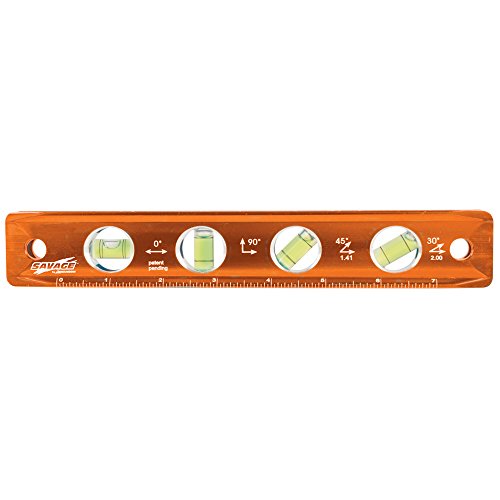
The Swanson Savage is designed with the user’s palm in mind. The "Grip" in its name refers to the oversized, ergonomic handle cutouts that allow you to hold the tool securely without having to pinch your fingers. For those with arthritis, this design significantly reduces the strain on the small joints in the hands.
The frame is also machined to be exceptionally flat and accurate. You get the benefit of professional-grade precision without the ergonomic penalty that usually comes with heavy-duty tools.
If you find yourself doing a lot of DIY work, the comfort level here is worth the price. It turns a potentially painful chore into a much more manageable task.
Stanley FatMax Pro Level: Durable Soft-Touch

Stanley is a household name for a reason, and their FatMax line is built for the everyday homeowner who wants reliability. The "soft-touch" rubberized grips on this model are designed to absorb vibration and provide a non-slip surface, even if your hands are sweaty or dusty.
The wide, box-beam construction makes it feel very stable when placed against a wall or floor. This stability means you don’t have to press down hard to keep it in place, allowing you to work with a lighter touch.
This is a middle-of-the-road option that offers great value. It is durable enough to survive a drop on a concrete floor, which is a common occurrence in any busy workshop.
DeWalt Magnetic Torpedo Level: Compact Stability

DeWalt’s torpedo level is designed for those who need a tool that stays exactly where they put it. The magnetic base is exceptionally strong, which is a major benefit for anyone with limited grip strength. You can snap it onto a metal surface and trust it won’t slide or fall.
The compact size makes it very easy to store, which is ideal if you are managing a small home or limited storage space. Despite its size, the frame is robust and features rubberized end caps that protect the tool from impacts.
It is a great "grab-and-go" solution for quick fixes. If you prioritize stability and ease of storage, this is a top-tier choice.
Key Features to Prioritize for Arthritic Hands
When shopping for a level, look for rubberized, over-molded grips rather than smooth plastic or bare metal. These materials provide the friction necessary to prevent slipping, which means you don’t have to squeeze the tool as hard. A loose, comfortable grip is always better for joint health than a white-knuckled one.
Weight is another major factor to consider. While a heavy, solid-metal level might feel "professional," it is often overkill for household tasks and can cause rapid fatigue. Seek out aluminum or high-impact plastic models that offer a balanced weight-to-strength ratio.
Finally, prioritize visibility and magnetic features. If you can see the bubble clearly from a distance, you spend less time hovering over the tool. If the level sticks to the surface magnetically, you don’t have to hold it steady, which is the best way to prevent hand strain.
How to Maintain Your Level for Long-Term Use
To keep your level working accurately, store it in a cool, dry place. Extreme temperatures can cause the liquid in the vials to expand or contract, potentially affecting the accuracy of the bubble. If you live in a small apartment, try to keep it in a drawer away from direct sunlight or heavy moisture.
Clean the frame and the vials regularly with a soft, damp cloth. Dust and debris can build up on the edges, making the tool sit unevenly on surfaces, which defeats the purpose of using a level. Avoid using harsh chemicals that could degrade the rubber grips over time.
Periodically check your level for accuracy by placing it on a known flat surface, noting the position of the bubble, and then flipping it 180 degrees. If the bubble doesn’t show the same reading, it may be time to calibrate or replace the tool. Regular care ensures that your investment remains a reliable partner for your home projects.
Frequently Asked Questions About Level Grips
Do I really need a magnetic level if I don’t work with metal? While magnetic levels are designed for metal studs, the magnet is often strong enough to hold the level against other steel fixtures, like metal door frames or appliance cabinets. If you have grip issues, the magnet acts as an extra hand, which is almost always worth the small price difference.
Is a longer level always better? Not necessarily. A longer level is better for leveling large surfaces like floors or long countertops, but it is harder to store and heavier to hold. For most household tasks like hanging pictures or installing small shelves, a 9-inch to 24-inch level is much more practical.
Does the price reflect the accuracy? There is a point of diminishing returns. While a $100 level might be calibrated to a tighter tolerance than a $20 one, most homeowners will never notice the difference. Focus on the grip comfort and the build quality rather than chasing professional-grade precision that you don’t need.
Choosing the right level is about matching the tool to your physical needs and the specific tasks you perform around the house. By selecting a model with an ergonomic, non-slip grip, you can maintain your independence and continue your DIY projects with confidence. Remember that the best tool is the one that allows you to work comfortably and safely for years to come.