
7 Best USB Hubs With Replaceable Cables for Reliability
Boost your setup’s longevity with our top 7 USB hubs featuring replaceable cables. Discover reliable, repairable connectivity options for your workspace today.
We have all experienced the frustration of a perfectly functional USB hub rendered useless simply because the built-in, non-removable cable frayed at the connector. Choosing a hub with a detachable cable is a smart, forward-thinking move that saves you from unnecessary electronic waste and repeated replacement costs. This guide focuses on reliable options that prioritize longevity and practical utility for your home workspace.
Anker 541 USB-C Hub: Best Overall Performance


If you juggle a laptop between the kitchen counter, a home office, and the living room, you need a hub that balances speed with portability. The Anker 541 is a standout because it offers a detachable cable design that allows you to swap in longer or shorter cords depending on your workspace setup.
It provides a solid mix of high-speed data transfer and power delivery, making it ideal for those who connect external drives and monitors simultaneously. Because the cable is replaceable, you won’t have to toss the entire unit if you accidentally snag the cord while moving your laptop.
For most households, this is the "Goldilocks" choice that hits the sweet spot of performance and durability. It is a reliable workhorse that respects your budget without compromising on the connectivity features you use daily.
Satechi Multi-Port Adapter: Premium Build Quality

When your workspace is a permanent fixture in your home, aesthetics and build quality matter just as much as function. The Satechi adapter features an aluminum chassis that dissipates heat better than plastic alternatives, which is a major advantage during long work sessions.
The detachable cable is a thoughtful touch for a premium product, ensuring that the unit remains functional even if the cable experiences normal wear and tear. It feels sturdy in the hand and fits seamlessly into professional home office setups where you want equipment that looks as good as it performs.
While the price point is higher, you are paying for materials that resist the dings and scratches of a busy household. If you prioritize long-term durability and a sleek look, this is a sound investment for your home office.
Sabrent 4-Port USB 3.0 Hub: Best Budget Option
Not every setup requires expensive bells and whistles, especially if you just need to connect a mouse, keyboard, and printer to a desktop tower. The Sabrent 4-Port hub is a classic, no-frills solution that gets the job done without breaking the bank.
Its simple, functional design makes it easy to tuck into a drawer or mount under a desk in a small apartment. Because it uses a standard, replaceable USB cable, you can easily swap it out for a longer one if your computer is hidden away inside a cabinet or under a desk.
This is the perfect choice for students or anyone setting up a secondary workstation on a tight budget. It proves that you don’t need to overspend to get a reliable, modular piece of hardware for your home.
Plugable USB-C Hub: Ideal for Professional Work
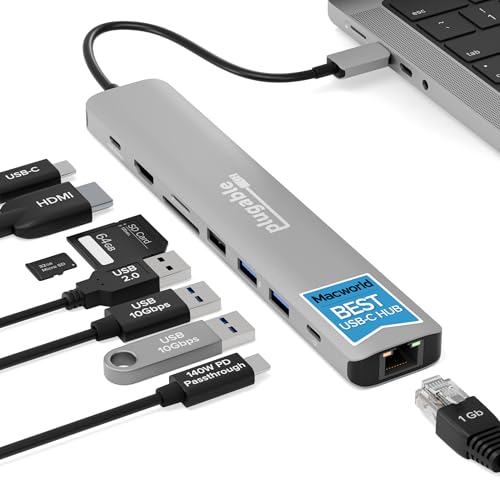
If you handle large file transfers or manage multiple peripherals for professional projects, the Plugable hub is engineered for stability. It is designed with a focus on consistent data throughput, which is essential when you are relying on external storage for your livelihood.
The detachable cable feature here is particularly useful for professionals who travel or move their setup between a home office and a corporate site. You can keep a spare cable in your laptop bag, ensuring you are never caught without a connection regardless of where you are working.
This hub is built for reliability above all else, making it a favorite for those who cannot afford downtime. It is a practical, professional-grade tool that earns its keep through sheer consistency.
QGeem 7-in-1 Hub: Best Versatility for Laptops

Modern laptops often lack ports, and if you are tired of carrying around a bag full of different dongles, the QGeem 7-in-1 is your solution. It consolidates HDMI, SD card slots, and USB ports into one compact, modular unit.
The ability to replace the cable is a huge advantage for this specific device, as multi-port hubs often endure more stress from being plugged and unplugged throughout the day. By keeping the cable separate, you protect the internal connection points from the strain of daily movement.
This is an excellent choice for households with limited desk space where keeping a clean, organized area is a priority. It offers the versatility of a docking station in a footprint small enough for a coffee shop visit.
UGREEN USB 3.0 Data Hub: Best for Cable Length

Sometimes the biggest challenge in a home setup is simply reaching the back of a desktop computer or navigating around a bulky piece of furniture. The UGREEN hub provides the flexibility to use a longer cable, which is a lifesaver for people with large desks or unique room layouts.
Since the cable is not hardwired into the hub, you have the freedom to choose the exact length that works for your specific room. This prevents the "hanging cable" syndrome that makes desks look cluttered and creates tripping hazards in high-traffic areas.
It is a straightforward, reliable tool that solves a very common household logistical problem. If you are tired of cables that are just a few inches too short, this is the hub to buy.
StarTech 4-Port Hub: Best for Industrial Needs

For those who need to mount a hub to a workbench, inside a server cabinet, or under a heavy-duty desk, the StarTech hub is built for the task. It features a rugged, metal housing that is designed to withstand the bumps and scrapes of a busy workshop or garage environment.
The replaceable cable is an essential feature here, as these units are often installed in tight, fixed positions where a damaged cable would be a nightmare to replace. Its industrial-grade construction ensures that it won’t crack or fail under the pressure of a demanding home project.
If you are a DIY enthusiast or someone who runs a home business from a workshop, this is the most durable option available. It is a "buy it once, use it for a decade" kind of product.
Why Replaceable Cables Increase Hub Longevity
The most common point of failure for any USB hub is the connection between the cable and the housing. Over time, the internal wires can fray due to bending, twisting, or being pulled, eventually leading to intermittent connectivity or total failure.
When you choose a hub with a replaceable cable, you are essentially "future-proofing" your hardware. If the cable fails, you simply buy a new $5 cord rather than discarding a $50 hub, which is better for your wallet and the environment.
This design also allows for customization based on your specific needs. You can switch to a braided cable for extra durability or a longer cable for better reach without needing to replace the hub itself.
Key Factors for Choosing the Right Data Speed
When shopping for a hub, you will see terms like USB 3.0, 3.1, and 3.2, which can be confusing. For most household tasks like connecting a mouse, keyboard, or printer, a standard USB 3.0 (or 3.1 Gen 1) hub is more than sufficient.
However, if you are transferring large video files or using high-speed external SSDs, look for "USB 3.2 Gen 2" or "10Gbps" labels. These hubs ensure that your data moves quickly, saving you time during your daily routine.
- For basic peripherals: USB 3.0 is perfectly fine and saves money.
- For external hard drives: Look for higher speed ratings to avoid slow transfer times.
- For charging: Ensure the hub supports "Power Delivery" (PD) if you need to charge your laptop through the hub.
Troubleshooting Common USB Hub Connectivity Issues
If your hub suddenly stops working, don’t assume the device is broken. The first step is to swap the detachable cable, as this is the most likely culprit behind connectivity drops.
If a new cable doesn’t solve the issue, try plugging the hub into a different port on your computer. Sometimes the issue lies with the computer’s port rather than the hub itself, especially if you have been using the same port for years.
Finally, check for dust or debris inside the ports. A quick blast of compressed air can often restore a connection that seems "dead," saving you the trouble of buying a replacement.
Investing in a USB hub with a replaceable cable is a practical habit that prioritizes long-term savings over short-term convenience. By selecting a model that fits your specific desk layout and data needs, you can create a reliable workspace that lasts for years. Remember, the best equipment is the kind that stays functional through the wear and tear of your daily life.
