7 Best Compostable Snack Bags That Reduce Waste
Switching to compostable snack bags slashes plastic waste. Discover our top 7 eco-friendly picks that keep food fresh while supporting a sustainable lifestyle.
We have all felt that pang of guilt while tossing a handful of single-use plastic snack bags into the trash after a busy morning of packing lunches. Transitioning to sustainable storage doesn’t have to be an all-or-nothing overhaul of your kitchen habits. These seven options offer practical, reliable ways to reduce your daily waste while keeping your food fresh and organized.
Stasher Silicone Bags: Best for Endless Reuse
If you find yourself constantly reaching for sandwich bags for everything from freezer storage to sous-vide cooking, Stasher bags are a game-changer. These platinum silicone pouches are virtually indestructible and can handle the dishwasher, microwave, and oven with ease.
For families in small apartments, these are a dream because they eliminate the need for bulky boxes of plastic bags cluttering your drawers. While the upfront investment is higher than a box of disposables, the cost-per-use drops significantly over time.
Bottom line: If you want one product that does it all and lasts for years, these are worth the initial splurge.
Lunchskins Paper Bags: Best for School Lunches
Pack lunches sustainably with these recyclable paper sandwich bags. Featuring a convenient peel-and-seal closure and expandable pleated sides, they keep food fresh and are easy for kids to use.


Every parent knows the morning rush, where speed and simplicity are the only things that matter. Lunchskins offer a familiar, lightweight experience that mimics the classic paper bag but with a durable, food-safe coating that resists grease.
These are perfect for school-aged children who might lose more expensive containers on the playground. Because they are lightweight and foldable, they take up almost zero space in a crowded pantry or a cramped school backpack.
Bottom line: These are the best "bridge" product for families who aren’t quite ready to commit to washing and reusing containers every single day.
If You Care Snack Bags: Best for Home Composting

When you want a snack bag that you can truly "toss and forget" without the guilt, this brand is the gold standard. Made from unbleached, chlorine-free paper, these bags are designed to break down easily in your backyard compost pile.
They are ideal for dry snacks like pretzels, crackers, or popcorn, though they aren’t meant for liquids or oily leftovers. For the eco-conscious homeowner, they provide the convenience of disposability without the environmental footprint of plastic.
Bottom line: Choose these if you have an active home composting system and want a zero-waste disposal option.
BioBag Food Storage: Best for Bulk Pantry Items
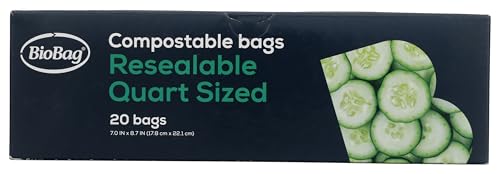
If you shop at bulk stores or buy large quantities of grains, nuts, and dried fruit, you need storage that is both sturdy and breathable. BioBags are crafted from plant-based resins, making them a fantastic alternative to traditional plastic storage bags.
Because they are breathable, they are excellent for produce that tends to rot quickly in airtight plastic. They are a sensible choice for renters who don’t have the space for a massive collection of glass jars or rigid containers.
Bottom line: Use these for pantry organization where airflow is key to keeping your bulk goods fresh.
Abeego Beeswax Wraps: Best for Fresh Produce
Keep food fresh with this reusable beeswax wrap roll. Easily cut to any size for versatile food storage, it's an eco-friendly alternative to plastic wrap. Made in the USA with organic ingredients.
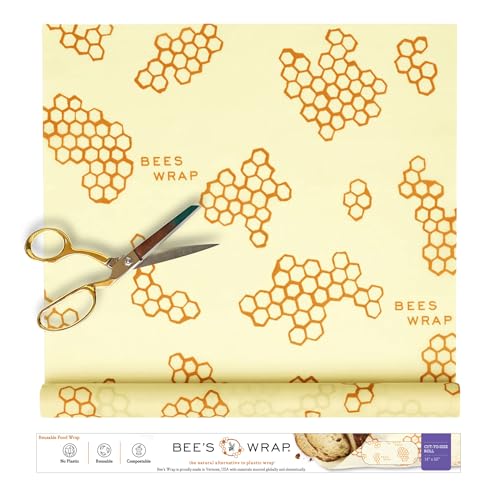
Sometimes the best snack bag isn’t a bag at all, but a versatile wrap that molds to the shape of your food. Abeego wraps use beeswax, resin, and oil to create a breathable seal that keeps cut fruits and vegetables remarkably crisp.
They are perfect for wrapping half an avocado, a block of cheese, or a handful of grapes for a quick snack. While they do require a quick hand-wash in cool water, they are incredibly durable and can last up to a year with proper care.
Bottom line: These are essential for anyone who wants to stop wasting produce and reduce their reliance on plastic cling film.
W&P Porter Silicone Bags: Best for Durability
If you are hard on your kitchen gear, the W&P Porter bags offer a more robust construction that stands up to daily wear and tear. Their thicker silicone walls and secure seal make them excellent for transporting snacks in a gym bag or a work briefcase.
They feature a flat base, which is a massive advantage when you are trying to fill them with snacks while working in a tight kitchen workspace. They stand upright on their own, preventing the messy spills that often happen with flimsier alternatives.
Bottom line: Opt for these if you need a heavy-duty bag that can survive a chaotic commute.
Etee Reusable Food Bags: Best Plastic Alternative

Etee bags are made from organic cotton infused with beeswax, making them a fully biodegradable and compostable alternative to plastic. They feel like a hybrid between a fabric pouch and a traditional bag, offering a unique texture that is easy to grip.
They are particularly good for dry snacks like trail mix, cookies, or granola bars. Because they are flexible, you can squash them into a full lunchbox or a small purse without worrying about them cracking or taking up too much room.
Bottom line: These are a beautiful, natural-feeling choice for those who want to avoid synthetic materials entirely.
Understanding Compostable vs. Biodegradable Labels
It is easy to get confused by marketing buzzwords, but the distinction between these two labels is critical for your waste management. "Biodegradable" simply means a material will eventually break down, but it doesn’t specify the timeframe or the conditions required.
"Compostable," on the other hand, means the item is certified to break down into non-toxic components within a specific timeframe in a composting environment. Always look for third-party certifications like BPI or TUV Austria to ensure the claims are legitimate.
Bottom line: Don’t assume everything labeled "green" is safe for your backyard pile; check for official certification labels.
How to Properly Compost Your Bags at Home
Not all compostable bags are created equal, and some require high-heat industrial facilities to break down properly. Before tossing a bag into your backyard bin, check the packaging to see if it is "Home Compostable" certified.
If a bag is only "Industrially Compostable," it will likely remain intact in your garden heap for years. To speed up the process for home-compostable items, shred them into smaller pieces before adding them to your pile to increase surface area.
Bottom line: Always verify the composting instructions on the packaging to ensure you aren’t accidentally adding plastic-like debris to your soil.
Key Factors for Choosing Sustainable Snack Storage
When deciding which option fits your life, start by looking at your current cleaning routine. If you struggle to stay on top of dishes, a reusable silicone bag might end up sitting dirty in your sink rather than being used.
Consider your storage space as well; if you live in a small apartment, collapsible paper or fabric options are far superior to rigid silicone containers. Finally, balance the upfront cost against how often you actually pack snacks, as a mix of reusable and compostable disposables is often the most practical middle ground.
Bottom line: Choose the solution that fits your existing habits rather than the one that requires you to change your entire lifestyle.
Making the switch to sustainable snack storage is a journey of small, intentional adjustments rather than a single perfect purchase. By evaluating your daily routine and space constraints, you can find the right balance between convenience and environmental responsibility. Start with one or two types of bags, see how they fit into your life, and build your collection from there.