7 Best Emergency Drinking Water Pouches for Car Storage
Stay hydrated on the road. We review the 7 best emergency water pouches for car storage, focusing on durability, shelf life, and compact, leak-proof designs.
Whether you are commuting through heavy traffic or embarking on a long family road trip, having immediate access to hydration is a non-negotiable safety measure. Emergency water pouches offer a practical, space-saving solution that fits easily into glove boxes or trunk organizers. These seven options ensure you are prepared for unexpected breakdowns or delays without sacrificing precious vehicle storage space.
Datrex 4.227oz Emergency Water: Best for Portability
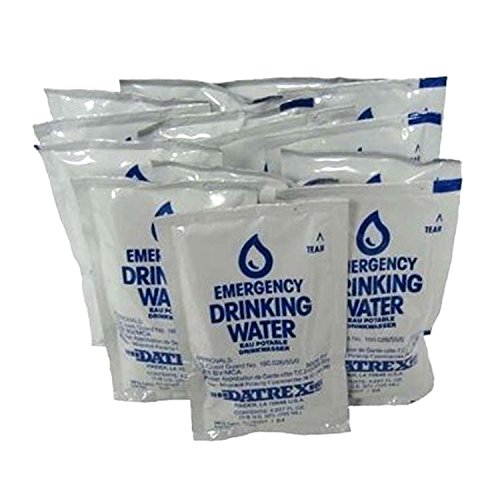

If you drive a compact sedan or a small hatchback, you know that every square inch of trunk space counts. The Datrex 4.227oz pouches are designed with a slim profile that allows them to slide into tight door pockets or under-seat storage trays. Their lightweight nature makes them an ideal choice for commuters who want to keep emergency supplies on hand without adding unnecessary bulk.
Because these pouches are individually portioned, they are easy to distribute to passengers during an emergency. You won’t have to worry about the weight of a heavy gallon jug shifting around while you are driving. They are essentially the "grab-and-go" standard for those who prioritize efficiency and ease of movement.
The primary trade-off here is the individual size, which may feel small if you are accustomed to larger water bottles. However, for a quick roadside emergency, they provide exactly what you need without the risk of spills.
Mayday Industries Water Pouch: High Durability Pick

When you store items in a vehicle, they are subjected to constant vibrations, temperature swings, and the occasional rough bump in the road. Mayday Industries is well-regarded for using heavy-duty foil laminate that resists punctures and ruptures better than standard plastic bottles. If your emergency kit is tucked into a trunk alongside heavy tools or sporting equipment, these pouches offer the extra peace of mind you need.
These pouches are specifically engineered to withstand the rigors of long-term storage in harsh environments. They are less likely to leak over time, which protects your vehicle’s upholstery and floor mats from potential water damage. It is a smart investment for anyone who wants a "set it and forget it" solution.
While they are slightly more rigid than other options, their durability is unmatched. If you live in an area with extreme road conditions, the added structural integrity of the Mayday pouch is worth the slight premium.
SOS Food Lab 4oz Pouch: Best Value for Car Kits

Budgeting for a full emergency kit can add up quickly, especially when you are outfitting multiple family vehicles. The SOS Food Lab 4oz pouches offer a cost-effective way to ensure every car in your household has a reliable water source. These are frequently sold in bulk, making them the most economical choice for families or those maintaining a fleet of vehicles.
Despite the lower price point, these pouches do not compromise on the necessary safety standards required for emergency water. They provide a standardized, measured amount of water that is easy to track and ration. It is a practical choice for the budget-conscious homeowner who understands that preparedness shouldn’t break the bank.
You might find that the packaging is slightly less decorative than premium brands, but the performance remains consistent. For a basic, functional kit that covers your bases, this is the most sensible financial decision.
Mainstay Emergency Water: Top Choice for Shelf Life

One of the biggest headaches with vehicle emergency supplies is remembering to swap them out before they expire. Mainstay is widely recognized for its industry-leading shelf life, often rated for five years under proper storage conditions. This longevity means you can store them in your spare tire well or a hidden compartment and not have to rotate them for several years.
This product is ideal for the busy homeowner who doesn’t have the time to audit their emergency supplies every few months. By choosing a product with a longer lifespan, you reduce the maintenance burden on your household routine. It is a "buy once, replace later" approach that fits perfectly into a hectic lifestyle.
The trade-off is often a slightly higher initial cost compared to shorter-shelf-life alternatives. However, when you factor in the time and money saved by not replacing them as frequently, the value becomes clear.
Stealth Angel Survival Water: Best Compact Design

If your vehicle’s interior is already cluttered with car seats, groceries, or work gear, you need an emergency water solution that is as unobtrusive as possible. Stealth Angel pouches are designed with a focus on a low-profile, flat-pack shape. They stack neatly and can be tucked into the side panels of most modern vehicles.
This design is particularly helpful for renters who might move between vehicles or those who share a car with other family members. The pouches take up so little room that they won’t interfere with your daily use of the vehicle’s storage areas. You will barely notice they are there until you actually need them.
While they are very compact, be mindful that they can be harder to find in a disorganized trunk. Keep them in a dedicated, labeled pouch or bag to ensure you can grab them quickly during a stressful situation.
Survival Tabs Emergency Water: Lightweight Option
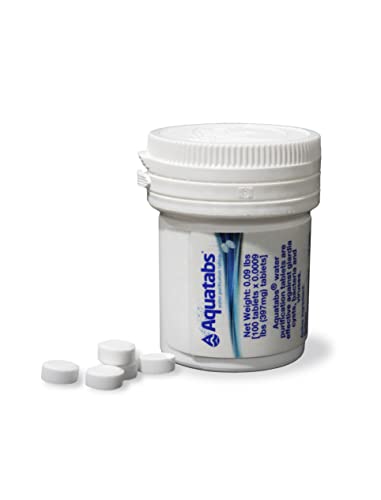
Weight is a factor for those who keep their emergency kits in a backpack or a portable "go-bag" inside their car. Survival Tabs offer a lightweight solution that doesn’t weigh down your gear. If you are someone who keeps a kit that you frequently move from your home to your car, this product is exceptionally easy to transport.
The material used for these pouches is flexible and lightweight, making them easy to pack into tight corners of a bag. They are designed for maximum efficiency, providing the hydration you need without the unnecessary weight of heavy plastic packaging. It is a minimalist approach to emergency preparedness.
Because they are so light, it is important to ensure they aren’t crushed by heavier items in your kit. Always place them at the top of your emergency supply stack to prevent damage.
ReadyWise Emergency Water: Best for Extreme Temps
Vehicles act like ovens in the summer and freezers in the winter, which can degrade the quality of many emergency supplies. ReadyWise water pouches are specifically tested to handle a wide range of temperature fluctuations without compromising the integrity of the water inside. This makes them a superior choice for those living in climates with intense heat waves or freezing winters.
These pouches are built with a robust sealing process that prevents the water from expanding or contracting enough to burst the seams. It provides extra security for those who park their cars outside in uncovered driveways or lots. You won’t have to worry about coming back to a soggy, ruined emergency kit after a week of 100-degree weather.
While they may be slightly bulkier than other options, the peace of mind they provide in extreme weather is invaluable. If you live in a region with volatile seasons, this is the most reliable choice for your car.
How to Store Water Pouches Safely in Your Vehicle
To get the most out of your emergency water, you must choose the right storage location. Avoid placing pouches in direct sunlight, such as on the rear dashboard, as UV rays can degrade the packaging over time. Instead, aim for a cool, dark, and protected area like a trunk organizer, a dedicated emergency bin, or the spare tire compartment.
- Avoid sharp objects: Never store your water pouches next to tire jacks, screwdrivers, or other tools that could puncture the foil.
- Use a container: Place all your pouches inside a small plastic bin or a heavy-duty nylon bag to keep them contained and protected from shifting cargo.
- Accessibility matters: Ensure your water is in a spot you can reach even if your trunk is full of groceries or luggage.
By keeping your supplies in a consistent, protected spot, you ensure they remain in good condition until the day you actually need them. Remember to check your storage area during your seasonal oil changes to ensure nothing has leaked or shifted.
Understanding Shelf Life and Expiration Standards
Many people assume that water "goes bad," but in reality, it is the packaging that usually fails first. Most emergency water pouches are rated for five years, but this assumes they are stored in a climate-controlled environment or at least away from direct, intense heat. If you live in a very hot climate, you should consider replacing your water every three years to be safe.
- Check the seals: If you notice any bulging, leaking, or discoloration of the water, discard the pouch immediately.
- Rotation schedule: Keep a small sticky note on your emergency kit with the date you purchased the water.
- Don’t overthink it: If you are within a few months of the expiration date, the water is generally still safe to drink, but it is time to start planning for a replacement.
Treat expiration dates as a guide rather than a hard deadline, but don’t ignore them entirely. Replacing your water periodically is a small price to pay for the assurance that your emergency supply is clean and safe.
Essential Tips for Building a Car Emergency Kit
A car emergency kit is more than just water; it is a holistic safety net for your daily travels. Along with your water pouches, include non-perishable snacks, a first-aid kit, a flashlight with extra batteries, and a basic multi-tool. These items work in tandem to keep you comfortable and capable while waiting for help or a tow truck.
- Tailor to your climate: If you live in a snowy area, include a blanket and an ice scraper. If you live in the desert, include extra water and sun protection.
- Keep it simple: Don’t try to pack your entire house into your trunk. Focus on the "big three": hydration, warmth, and basic medical needs.
- Review annually: Every spring and fall, take ten minutes to look over your kit. Check expiration dates, test your batteries, and remove any items you no longer need.
The best emergency kit is the one you actually have with you when trouble strikes. Keep your supplies organized, accessible, and tailored to your specific driving habits, and you will be ready for whatever the road throws your way.
Preparing your vehicle with emergency water doesn’t require a massive investment or a complex setup. By selecting the right pouch for your storage space and climate, you create a layer of safety that protects you and your family on every drive. Start with a few pouches today, and you will have the peace of mind that comes with being truly prepared.