7 Best Wall Hooks for Hanging Planters Indoors
Elevate your greenery with our top 7 indoor wall hooks. We review durable, stylish options perfect for securely displaying your favorite hanging planters today.
Transforming your home into a lush indoor jungle often means looking upward when floor space runs dry. Choosing the right wall hook for your hanging planters is about balancing aesthetic appeal with the structural reality of your walls. This guide will help you navigate the hardware aisle to find a reliable solution that keeps your plants secure and your home damage-free.
Command Adhesive Hooks for Damage-Free Hanging
Hang up to 5 lbs without damage. These utility hooks attach securely to smooth surfaces with adhesive strips, offering tool-free organization and easy removal.
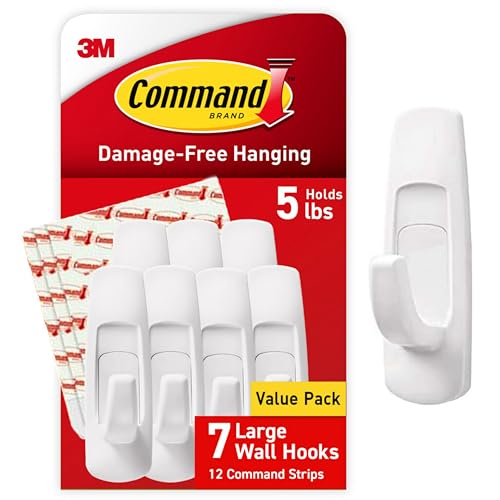

If you are a renter or someone who likes to rotate their decor every few months, you know the fear of peeling paint and drywall anchors. Command hooks have become the gold standard for low-commitment decorating because they rely on specialized pressure-sensitive strips rather than screws. They are perfect for lightweight trailing plants like Pothos or String of Pearls that don’t require heavy ceramic pots.
However, these hooks have distinct limitations that every homeowner should respect. They are strictly intended for lighter weights, and they can fail unexpectedly if the surface isn’t cleaned with rubbing alcohol before application. Avoid using them on wallpaper or delicate finishes, as the adhesive can sometimes be stronger than the surface material itself.

- Best for: Renters, lightweight plastic or macramé planters, and temporary seasonal displays.
- Bottom line: Stick to the weight limit strictly; if the package says three pounds, don’t push it to four.
Mkono Heavy-Duty Iron Hook for Sturdy Support
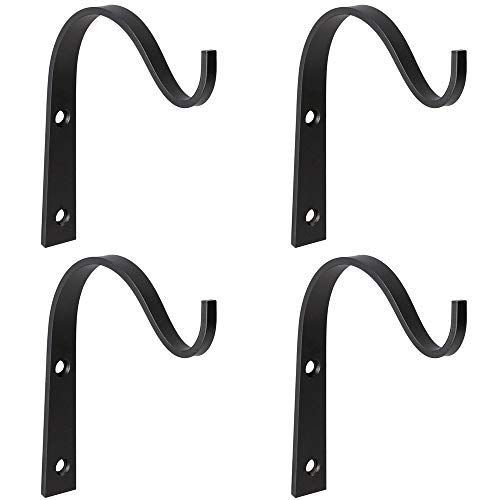
When you have a substantial terra cotta pot or a large, water-heavy fern, adhesive strips simply won’t cut it. The Mkono heavy-duty iron hook provides the structural integrity needed for larger indoor displays by anchoring directly into a wall stud. These hooks usually come with mounting hardware that ensures your plant stays exactly where you put it.
The trade-off here is the permanence of the installation. You will need a drill and a level to get these mounted correctly, and once they are up, they aren’t moving without leaving a few holes behind. They offer a rustic, industrial aesthetic that complements farmhouse or bohemian decor styles beautifully.
- Best for: Large, heavy plants and permanent installations in your own home.
- Bottom line: Always aim to screw these into a wooden stud rather than just into drywall to ensure long-term stability.
GoodHangups Magnetic Hooks for Metal Surfaces
Hang up to 30 lbs with these heavy-duty magnetic hooks. Featuring a rust-resistant, triple-coated finish and powerful neodymium magnets, they're perfect for organizing kitchens, classrooms, and even cruise ship cabins.
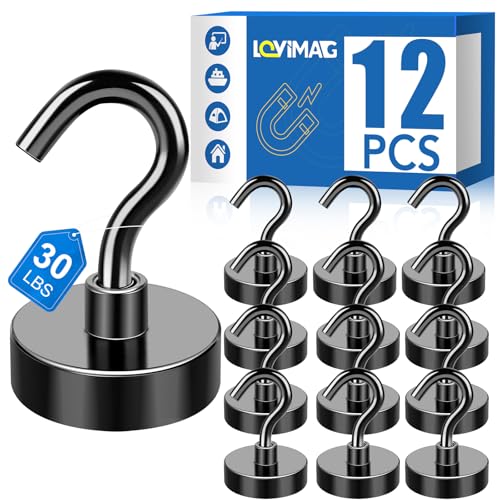
Many modern apartments and homes feature metal door frames, exposed ductwork, or magnetic wall panels that go underutilized. GoodHangups magnetic hooks allow you to hang small planters without drilling a single hole. They are surprisingly strong for their size, provided they are attached to a high-quality, thick steel surface.
Keep in mind that these hooks only work if the metal surface is magnetic and thick enough to hold the weight. If you try to stick them to a thin metal cabinet door, the magnet might hold, but the door itself might warp or pull away from its hinges. They are a brilliant solution for small kitchen spaces where you want to keep herbs within arm’s reach.
- Best for: Kitchen herb gardens, metal door frames, and small, lightweight air plants.
- Bottom line: Test the magnetic strength with a small weight before committing to your favorite heavy ceramic planter.
OOK Professional Series Hooks for Drywall Use

If you don’t have a stud exactly where you want your plant to hang, OOK hooks are a reliable middle ground between adhesive strips and heavy-duty iron mounts. These hooks use a specialized nail system that enters the drywall at an angle, creating a surprisingly strong hold without the need for large, unsightly plastic anchors. They are much easier to patch than a traditional screw-in anchor when the time comes to move.
They are ideal for medium-sized plants that are too heavy for adhesive but don’t quite warrant a heavy-duty iron bracket. Because they leave such small entry points, they are a favorite among professionals who need to mount decor quickly and cleanly. Just be sure to use a hammer gently to avoid bending the specialized nails during installation.
- Best for: Medium-weight hanging baskets and renters who want a "semi-permanent" look.
- Bottom line: These are the best balance of ease-of-use and reliability for the average drywall installation.
H&S Swag Hooks for Ceiling-Mounted Planters
Sometimes the best place for a plant isn’t on the wall at all, but hanging from the ceiling to catch the light near a window. Swag hooks are designed with a wide, open loop that allows you to drape a plant chain or cord securely. They usually come with a toggle bolt, which is essential for gripping the backside of your ceiling drywall.
Installation requires a bit of overhead work, so make sure you have a steady ladder and a helper if you are mounting something heavy. Once the toggle bolt is tightened, it creates a secure anchor that won’t pull out of the ceiling. Remember that ceiling drywall is often thinner than wall drywall, so never exceed the recommended weight capacity.
- Best for: Sunny window spots and cascading plants that need vertical clearance.
- Bottom line: Ensure you are drilling into an open joist or using high-quality toggle bolts for safety.
Etona Brass Wall Hooks for Elegant Decor Style

If your plant setup is part of a curated decor scheme, you might find that industrial iron hooks look a bit too utilitarian. Etona brass hooks offer a polished, sophisticated look that elevates the hardware to a design element rather than just a functional necessity. Brass is naturally durable and resists corrosion, which is a significant plus when dealing with the occasional splash of water during plant maintenance.
While these hooks are beautiful, they are often priced at a premium compared to standard steel hardware. You are paying for the finish and the aesthetic, not necessarily for superior weight-bearing capacity. Make sure to check if the hook is solid brass or brass-plated, as solid brass will age gracefully over time, while plated options may eventually peel.
- Best for: Living rooms, entryways, and homes where the hardware is visible and part of the decor.
- Bottom line: Choose these for their looks, but ensure the mounting hardware included is sufficient for your plant’s weight.
S-Hooks for Versatile Rail-Based Planter Display
If you have a wall-mounted rail system in your kitchen or office, S-hooks are the most versatile way to hang your greenery. They allow you to slide your plants along the rail to adjust for light throughout the day or to make room for other items. They are incredibly inexpensive and come in various sizes and finishes to match your existing rail.
The main challenge with S-hooks is that they can easily slide off the rail if you bump into them while watering your plants. If you have curious pets or children, consider using a closed-loop hook or a zip-tie to secure the S-hook to the rail. It’s a simple, low-cost fix that prevents a catastrophic plant drop.
- Best for: Kitchen rails, office cubicles, and people who like to rearrange their decor frequently.
- Bottom line: Always secure the hook to the rail to prevent accidental slips or falls.
How to Assess Your Wall Type Before Installation
Before you buy any hardware, you must know what lies beneath your paint. Use a small nail or a stud finder to determine if your wall is hollow drywall, solid plaster, or wood. If you are unsure, try tapping the wall; a hollow, echoing sound indicates drywall, while a dull, solid thud suggests plaster or a stud.
- Drywall: Requires anchors or specialized nails for anything heavier than a picture frame.
- Plaster: Older homes often have lath and plaster, which is brittle; use smaller holes and avoid over-tightening.
- Wood/Studs: The gold standard; always screw directly into the wood for the strongest possible hold.
Determining Weight Limits for Your Hanging Plants
A common mistake is forgetting that wet soil is significantly heavier than dry soil. Always weigh your plant in its pot after a thorough watering to get an accurate number. You should also account for the weight of the pot itself—ceramic and clay pots are much heavier than plastic or resin containers.
- Small (under 2 lbs): Adhesive hooks or small OOK nails.
- Medium (2–8 lbs): Drywall anchors or OOK Professional series.
- Large (8+ lbs): Heavy-duty iron hooks mounted directly into a stud.
Tips for Safe and Secure Indoor Plant Mounting
Safety should always be your priority, especially if your plants are hung above seating areas or walkways. Check your hooks every few months for signs of pulling, bending, or loosening, especially after a heavy watering session. If you notice the wall material starting to crack or bulge around the hook, remove the plant immediately and move it to a more secure location.
Finally, consider the height of your installation. While you want your plants to get enough light, you also want them to be accessible for watering and pruning without needing a ladder every single time. A little extra time spent on proper installation today will save you from a messy cleanup and a damaged plant tomorrow.
Finding the right wall hook is a simple way to elevate both your plants and your interior design. By matching your hardware to your wall type and the specific weight of your pots, you can create a secure and beautiful vertical garden. Start small, test your anchors, and enjoy the process of bringing more nature into your daily living space.