

8 Best Planners With Doctor Visit Logs for Health
Stay organized with our top 8 health planners featuring doctor visit logs. Track appointments, symptoms, and medical notes to manage your wellness effectively.
Managing your family’s health records shouldn’t feel like a part-time job, yet keeping track of appointments and symptoms often becomes a source of household clutter. A dedicated health planner acts as a central hub, ensuring vital medical information is at your fingertips when you are sitting in a busy waiting room. By choosing the right tool, you can transform fragmented notes into a clear, actionable history for your next doctor’s visit.
Clever Fox Health Planner: Best Overall Choice
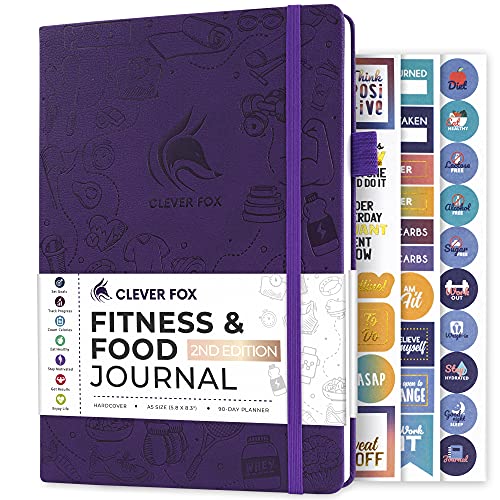

If you are managing a household where multiple family members have ongoing appointments, you need a system that balances structure with flexibility. The Clever Fox Health Planner is a standout because it offers a comprehensive layout that doesn’t feel overwhelming, even for those who aren’t naturally organized. It provides dedicated sections for doctor contact info, medication schedules, and symptom tracking, making it a reliable "all-in-one" solution.
The quality of the paper is thick enough to handle ink pens without bleeding, which is a common frustration with cheaper planners. It is compact enough to fit into a standard tote bag, yet large enough to hold detailed notes during a consultation. While it is priced at a premium, the durability means it will survive the wear and tear of being tossed into a diaper bag or a kitchen drawer for a full year.
The bottom line is that this planner offers the best balance of features for the average family. If you want a structured system that encourages consistency without requiring you to build your own layouts from scratch, this is your best investment.
Blue Sky Health Tracker: Best Minimalist Option

For those living in smaller apartments where counter space is at a premium, you don’t want a bulky binder taking up precious room. The Blue Sky Health Tracker is refreshingly simple, focusing on clean lines and straightforward logs rather than excessive goal-setting pages. It is ideal for individuals who want to track basic vitals and appointment dates without the "clutter" of complex wellness coaching.
The aesthetic is professional and unassuming, making it easy to pull out in a formal clinical setting without feeling self-conscious. Because it is lightweight and slim, it slides easily into a desk drawer or a small bedside table. It doesn’t offer the deep-dive tracking of more expensive options, but for most people, simplicity is the key to actually sticking with a habit.
If your primary goal is to keep dates and basic symptoms organized without a steep learning curve, choose this option. It honors your need for efficiency and keeps your medical history portable and accessible.
Plum Paper Planner: Best for Custom Layouts

Every household has unique medical needs, whether you are managing a chronic condition or simply keeping up with pediatric check-ups. Plum Paper is the gold standard for customization, allowing you to build a planner that includes exactly the pages you need and none you don’t. You can add specific medical logs, fitness trackers, or even household chore charts to create a truly bespoke health management tool.
The trade-off here is time and cost; because you are building it yourself, the price point is higher and the shipping time is longer. However, for a homeowner who feels frustrated by "one-size-fits-all" planners that leave half the pages blank, this is a game-changer. It eliminates the waste of unused sections, making it a surprisingly practical choice for the long term.
Consider this if you have specific, recurring medical needs that standard planners ignore. It is an investment in a system that fits your life perfectly rather than forcing your life to fit the planner.
Erin Condren Wellness Log: Best for Planning
Track your health goals with the Erin Condren Wellness Log Petite Planner. This 6-month planner features dedicated spreads for sleep, water intake, steps, and nutrition, plus inspirational stickers and a convenient back pocket.
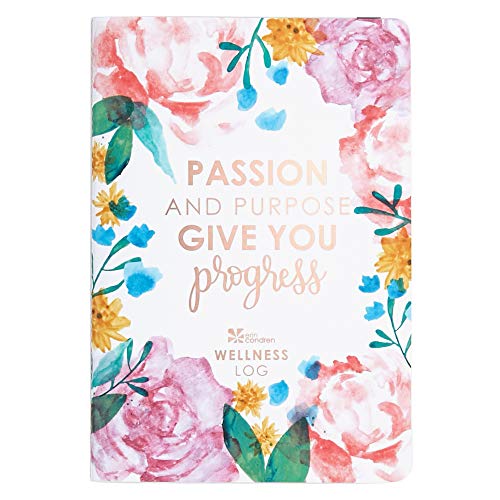
If you are a visual person who finds motivation in color-coding and clear, beautiful layouts, the Erin Condren Wellness Log is an excellent companion. It emphasizes the "planning" aspect of health, providing ample space to map out upcoming specialist visits alongside your daily routines. It feels less like a sterile medical record and more like a supportive partner in your wellness journey.
The spiral binding is sturdy and allows the book to lay completely flat, which is essential when you are writing notes while juggling a phone or a tablet. While the brand is known for being a bit "extra," the functionality of the log is genuinely high-quality. It is perfect for those who keep their planner in a visible spot in the home and want something that looks as good as it performs.
If you struggle to stay engaged with health tracking, the aesthetic appeal of this planner can provide the necessary nudge. It turns a chore into a more pleasant, organized ritual.
GoGirl Medical Planner: Best for Daily Tracking
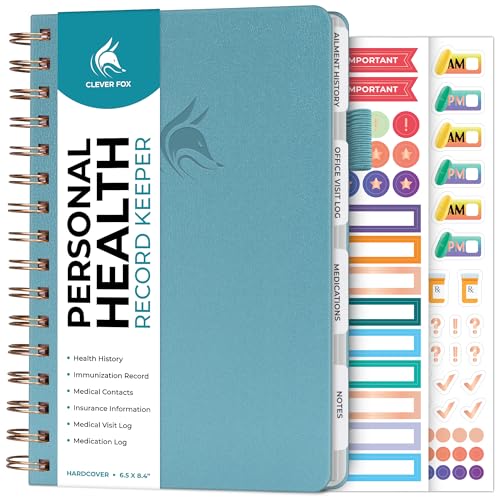
When you are dealing with a daily regimen—perhaps managing medication side effects or tracking blood pressure—you need a planner that focuses on the "day-to-day." The GoGirl Medical Planner excels here by providing a structured daily view that breaks down health metrics in a way that is easy to scan. It is designed for consistency, helping you spot patterns that you might otherwise miss.
The size is very portable, making it a great choice for renters who move frequently or those who need to carry their health records to work or school. It is affordable and durable, featuring a soft-touch cover that holds up well against daily handling. It lacks the expansive note-taking space of larger binders, but it wins on pure utility for daily logging.
For the person who needs to track specific numbers every single day, this planner is a reliable workhorse. It prioritizes data collection over decorative elements, making it a very practical, no-nonsense choice.
Mead Health Journal: Best Budget-Friendly Pick

You don’t need to spend a fortune to get organized, and the Mead Health Journal proves that basic utility is often enough. This is a no-frills, accessible option that you can find at almost any office supply store. It provides the essential templates for tracking appointments and health history without any of the marketing fluff found in premium brands.
Because it is inexpensive, you don’t have to worry about keeping it in pristine condition. It is the perfect "starter" planner for someone who has never tracked their health before and isn’t sure if they will maintain the habit. It’s also a great choice for a temporary need, such as tracking recovery after a surgery or a short-term health challenge.
If you are on a strict budget or just want to test the waters, start here. It gives you the structure you need without the guilt of spending money on a high-end product you might not use.
Bloom Daily Health Planner: Best for Motivation
If you are looking to improve your overall lifestyle along with your medical record-keeping, the Bloom Daily Health Planner offers a supportive, encouraging tone. It integrates health tracking with positive reinforcement, which can make the process of managing a chronic issue feel less isolating. It is designed to help you see the "big picture" of your health rather than just the medical appointments.
The layout is bright and accessible, making it a great choice for younger users or those who want to turn health tracking into a self-care ritual. It includes plenty of space for reflection, which can be useful for identifying how stress or lifestyle changes impact your physical health. It is a bit more "lifestyle" focused than "medical" focused, so keep that in mind if you need heavy-duty clinical tracking.
This is the best choice for anyone who needs a morale boost alongside their medical logs. It acknowledges that health is about more than just numbers and appointments.
Day Designer Health Log: Best for Busy Schedules
For the homeowner with a packed calendar, the Day Designer Health Log is built to integrate seamlessly into a busy life. It features a clean, professional layout that allows you to log health appointments alongside your other daily commitments. This prevents the "double-booking" issue where you accidentally schedule a work meeting over a doctor’s visit.
The design is sophisticated and fits well in a professional environment, making it a great choice for someone who needs to keep their health tracking discreet at the office. The paper quality is excellent, and the overall construction feels premium and reliable. While it is more expensive than basic journals, the functionality for busy people is unmatched.
If your life is a constant juggle of appointments, work, and family, this planner helps you keep your health a priority. It ensures that your medical needs are treated with the same importance as your professional obligations.
How to Choose a Medical Planner for Your Needs
When selecting a planner, first consider your storage situation. If you live in a small apartment, a slim, portable planner is better than a thick binder that will only end up buried in a closet. Think about where you will actually use the planner; if you need to carry it to appointments, prioritize a durable, spiral-bound option that lays flat.
Next, identify your specific tracking needs. Are you tracking a single chronic condition, or are you managing the health of an entire household? If you have multiple family members, you need a layout with enough space to differentiate between people. Don’t fall for the trap of buying a planner with "all the features" if you only need a simple log for dates and test results.
Finally, remember that the "best" planner is the one you actually use. If you hate the layout, you won’t use it, no matter how expensive or highly rated it is. Start with a budget-friendly option if you are unsure, and upgrade only once you understand your personal workflow.
Essential Data to Track During Doctor Visits
To get the most out of your medical appointments, your planner should include a dedicated space for "pre-visit" notes. Always list your current medications and dosages, as this is the first thing a doctor will ask for. Include a brief list of your top three concerns or symptoms, ordered by importance, so you don’t get flustered when the doctor walks into the room.
During the visit, use your planner to record the doctor’s instructions, follow-up requirements, and any changes to your treatment plan. It is also helpful to note when your next appointment should be and any referrals you need to schedule. Writing these down immediately prevents the "I forgot what they said" feeling that often happens on the drive home.
Finally, keep a running log of your vitals or symptoms between visits. Having a month’s worth of data—like blood pressure readings or frequency of pain—is incredibly valuable to a doctor. It turns your subjective experience into objective data, leading to better care and more accurate diagnoses.
Investing in a health planner is a simple step that pays off in reduced stress and better communication with your healthcare team. Whether you choose a minimalist tracker or a comprehensive, customizable binder, the key is to maintain consistency in your entries. By keeping your medical history organized, you are taking a proactive role in your own well-being and simplifying your life in the process.
