

7 Best Paste Wax Furniture Polishes for Heirlooms
Preserve your heirlooms with our top 7 paste wax picks. Learn how these professional-grade formulas protect wood surfaces and restore a lasting, rich luster.
Preserving heirloom furniture is about more than just aesthetics; it is about honoring the history embedded in every grain of wood. Choosing the right paste wax can transform a dull, neglected piece into a centerpiece that anchors your home’s character. This guide will help you navigate the best options to protect your investments for generations to come.
Briwax Original Wax: Best Overall for Heirlooms
Restore and protect your furniture with Briwax Clear/Original. This professional-grade wax polish acts as a finish, reconditioner, and antiquing agent, effectively diminishing minor scratches and guarding against fingerprints without altering the piece's original character or color.


If you have a collection of mixed-wood antiques that see varying levels of sunlight, Briwax is the gold standard for versatility. It is a solvent-based blend that cleans and polishes simultaneously, making it a favorite for those who don’t want to spend hours on separate prep steps.
Because it contains a high concentration of Carnauba and beeswax, it builds a deep, warm sheen that feels authentic rather than plastic-coated. It is perfect for the busy household where you want a professional-grade finish without needing a chemistry degree to apply it.
However, be aware that the solvent content is strong; you will need to work in a well-ventilated room or near an open window. It is the best "all-in-one" solution for homeowners who value a traditional, hand-rubbed look over a high-gloss, synthetic shine.
Howard Feed-N-Wax: Best for Wood Conditioning
Feed-N-Wax polishes wood to a soft luster with beeswax and carnauba wax, conditioning to prevent drying and fading. It enhances wood grain beauty on finished and unfinished surfaces.
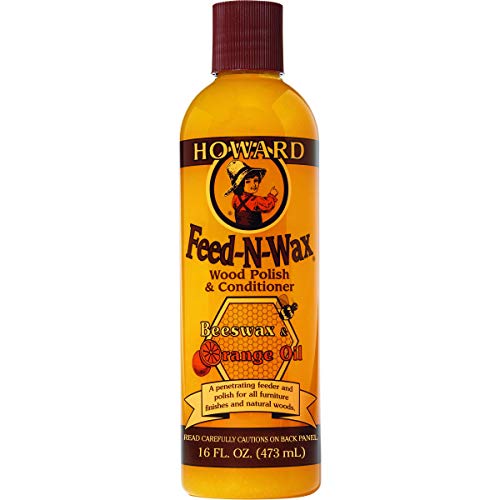
Sometimes, the greatest threat to an heirloom isn’t scratches, but the dry, parched state of aging wood. Howard Feed-N-Wax uses a blend of beeswax, carnauba wax, and orange oil to penetrate deep into the fibers, preventing the wood from cracking or splitting over time.
This is the ideal choice for renters or homeowners living in climates with extreme seasonal humidity changes, which can wreak havoc on antique joints. It acts as a moisturizer for your furniture, keeping the wood supple and healthy rather than just sitting on the surface.
While it doesn’t provide the same "hard shell" protection as a heavy-duty paste, its conditioning properties are unmatched for restoration. Use this if your priority is the long-term health of the wood grain rather than just surface-level scratch resistance.
Minwax Paste Finishing Wax: Best for Durability

If your heirloom coffee table is a high-traffic zone where coasters are sometimes forgotten, you need a product that prioritizes toughness. Minwax Paste Finishing Wax is widely available and creates a surprisingly durable barrier against moisture and minor spills.
It is a fantastic entry-level choice for those who are new to furniture care and want a reliable, budget-friendly product found at any local hardware store. It dries to a harder finish than many boutique waxes, making it a practical choice for families with children or pets.
The trade-off for this durability is a slightly less "luxurious" feel compared to premium artisan waxes. It is a workhorse product that prioritizes utility and protection over the subtle, nuanced glow required for museum-quality display pieces.
Antiquax Fine Furniture Wax: Best for Fine Finish

When you have a piece with delicate marquetry or a thin, original finish that you are terrified of damaging, Antiquax is the go-to solution. It is a high-quality, clear wax that brings out the natural depth of fine wood without altering the color or leaving a cloudy residue.
This product is favored by professional restorers because it is incredibly forgiving and easy to buff to a high, glass-like luster. It is perfect for formal dining room sets or heirloom display cabinets that are rarely touched but need to look pristine.
Because it is a premium product, it carries a higher price tag and is harder to find in big-box stores. Consider this an investment in the long-term visual preservation of your most precious, delicate family pieces.
SC Johnson Paste Wax: Best for Classic Protection

For decades, this has been the reliable standby for everything from hardwood floors to antique armoires. Its simplicity is its greatest strength; it provides a solid, no-nonsense protective layer that resists dust and fingerprints effectively.
It is particularly well-suited for larger projects where you need a substantial amount of product without breaking the bank. If you are restoring a large collection of heirlooms, the cost-per-ounce makes this the most economical choice for consistent, baseline maintenance.
Keep in mind that it can be slightly more labor-intensive to buff out compared to modern, softer blends. It remains a staple for the practical homeowner who values consistency and proven performance over fancy branding or complex ingredients.
Daddy Van’s All Natural Wax: Best Eco-Friendly
Restore and protect your wood with Daddy Van's All-Natural Beeswax Furniture Polish. This food-safe, unscented formula nourishes, conditions, and enhances wood's natural beauty on furniture, cabinets, and butcher blocks.
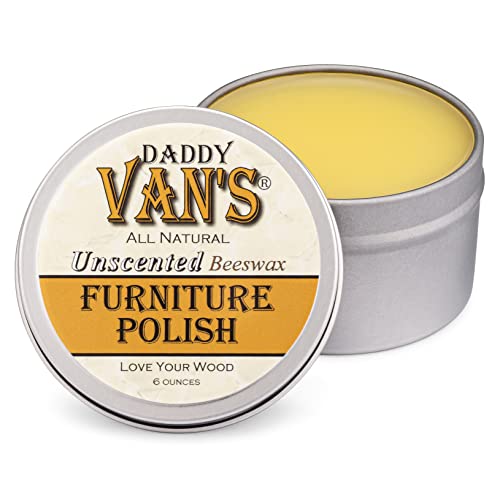
If you are sensitive to strong chemical odors or prefer to keep your home environment free of harsh solvents, Daddy Van’s is an excellent alternative. Made from a simple blend of beeswax and olive oil, it is completely non-toxic and safe to use around food-prep surfaces.
This is a great choice for small apartments or homes with poor ventilation where solvent-based fumes might linger. It provides a soft, satin-like sheen that feels natural and clean, making it perfect for kitchen tables or wooden serving pieces.
Because it lacks chemical solvents, it does not "clean" the wood as aggressively as other options. You will need to ensure your furniture is dust-free before application, but the trade-off is a safer, more pleasant experience for your household.
Renaissance Micro-Crystalline Wax: Best for Care
Renaissance Wax is the gold standard for museum curators and professionals who need a truly inert protective layer. Unlike beeswax, which can yellow or attract dust over time, this micro-crystalline formula remains clear and stable for years.
It is the ultimate choice for heirlooms that are made of mixed materials, such as wood with metal inlays or ivory accents. Because it is chemically neutral, it won’t react with or damage sensitive surfaces, making it the safest option for rare or irreplaceable antiques.
It is admittedly more expensive and requires a very light hand during application. Use this sparingly; a little goes a long way, and it is intended for the final, protective stage of your furniture care routine.
How to Properly Apply Wax to Antique Furniture
- Clean first: Always remove dust and grime with a damp, lint-free cloth before applying wax to prevent sealing dirt into the finish.
- Use a soft applicator: A clean, cotton t-shirt or a dedicated wax applicator pad works best to ensure an even, thin distribution.
- Work in sections: Apply the wax in small, circular motions, focusing on one area at a time rather than trying to cover the entire piece at once.
- Wait for the haze: Let the wax set for 10–20 minutes until it turns into a light, dull haze; this indicates the solvents have evaporated and the wax is ready to bond.
Buffing Techniques for a Lasting Deep Lustre
Buffing is where the physical labor pays off in visual rewards. Using a clean, dry microfiber or soft cotton cloth, buff the surface using firm, circular motions until the haze disappears and a glow emerges.
Don’t be afraid to apply a little pressure, as the heat generated by the friction helps the wax settle evenly into the wood pores. If you are working on a large table, rotate your cloth frequently to ensure you aren’t just moving the old wax around.
For an even deeper shine, you can apply a second, very thin coat after 24 hours. The goal is multiple thin layers rather than one thick, gummy coat, which will only attract more dust and become difficult to maintain over time.
Maintenance Tips to Preserve Heirloom Surfaces
- Avoid over-waxing: Most heirloom furniture only needs a professional wax treatment once or twice a year; daily dusting with a dry cloth is usually sufficient.
- Manage the environment: Keep heirlooms away from direct heat sources like radiators or vents, which can dry out the wood and cause the finish to crack.
- Use coasters and runners: Even the best wax cannot protect against intense moisture or heat; use physical barriers to prevent rings and damage.
- Monitor the finish: If you notice the wood looking dull or "thirsty," it is time for a light conditioning treatment rather than a heavy wax application.
Caring for your heirlooms is a rhythmic, rewarding part of home maintenance that connects you to the past. By choosing the right product for your specific needs, you ensure that these pieces remain functional and beautiful for years to come. Remember that consistency and gentle care are far more effective than occasional, aggressive restoration.
