
7 Best Printable Greeting Card Stocks With Envelopes
Discover the 7 best printable greeting card stocks with envelopes. Learn which materials ensure professional quality and durability for your custom designs.
Whether you are sending heartfelt holiday notes or personalized birthday wishes, the quality of your greeting card defines the recipient’s first impression. Selecting the right card stock ensures your home-printed projects look like they came from a boutique rather than a desktop printer. This guide helps you navigate the best materials to keep your stationery drawer stocked for any occasion.
Neenah Creative Collection: Best Overall Card Stock


If you are a busy parent or a household manager who needs a reliable, "go-to" supply for spontaneous school projects or thank-you notes, this collection is your best friend. It offers a premium feel that bridges the gap between everyday office paper and professional stationery.
Because it comes in a variety of textures and colors, you don’t have to worry about your cards looking flat or uninspired. It handles ink beautifully without bleeding, which is a major win if you are printing from a standard home inkjet.
The bottom line is that this is the most versatile choice for a household that values convenience. You get a professional finish without needing to be an expert in paper science.
Avery Textured Greeting Cards for Inkjet Printers

When you live in an apartment or a home with limited storage, you don’t want to deal with cutting and folding oversized sheets. Avery’s pre-scored cards are a lifesaver because they are already sized perfectly for the included envelopes.
The textured finish adds a tactile element that makes a simple card feel expensive. It is an ideal choice for someone who wants to save time without sacrificing the "handmade" aesthetic that people love to receive.
Keep in mind that these cards are specifically designed for convenience, so they might be slightly thinner than professional-grade art paper. For most birthday or holiday needs, however, the trade-off for ease of use is well worth it.
Hammermill Premium Color Copy for Sharp Graphics
If your household printer sees heavy use for both school reports and creative projects, you likely already have a ream of Hammermill nearby. While it is technically a "copy" paper, the heavier weight options are surprisingly capable of handling high-resolution greeting card designs.
This paper is incredibly smooth, which helps colors pop and prevents ink from feathering. It is the most cost-effective option for families who go through a high volume of cards during the holiday season.
Because it is so affordable, you won’t feel guilty about doing a test print or two. It is a workhorse paper that proves you don’t need to spend a fortune to get crisp, clear results.
Red River Paper 60lb Polar Matte for Vivid Prints

For those who want to showcase family photos on the front of their cards, this paper is a game-changer. The matte finish prevents the glare you get with glossy photo paper, giving your pictures a sophisticated, gallery-like appearance.
This stock is thicker and more substantial than standard printer paper, which makes the finished card feel sturdy in the hand. It is perfect for those who want to turn a digital family photo into a keepsake that relatives will want to display on their mantels.
Since this is a specialized paper, it is best reserved for those "big" occasions like Christmas or major life announcements. You pay a premium for the quality, but the visual impact is undeniable.
Epson Ultra Premium Presentation Paper for Photos

If you own an Epson printer, using their proprietary paper often yields the most consistent results. This paper is specifically engineered to hold ink droplets in a way that maximizes vibrancy and detail.
It is a great choice for households that prioritize photography. Whether you are printing a portrait of the kids or a landscape from a recent family trip, the color accuracy is consistently impressive.
Be aware that this paper is single-sided, so you will want to print your message on a separate insert or leave the inside blank. It is a professional-grade solution that brings a studio-quality look to your home office.
Canon Matte Photo Paper for Professional Details

Canon’s matte paper is excellent for homeowners who want a clean, minimalist aesthetic for their greeting cards. It handles fine text as well as it handles images, making it a great choice for cards that feature both a photo and a long, handwritten-style message.
The paper is thick enough to stand up on its own, which is a common requirement for cards displayed on shelves or tables. It feels professional and substantial, which is exactly what you want when sending a formal invitation or a thoughtful sympathy note.
If you are looking for a reliable, middle-of-the-road option that balances cost and quality, this is a strong contender. It is easy to find, works reliably in most printers, and offers a clean, non-reflective finish.
Hamilco White Cardstock for Heavy-Duty Projects
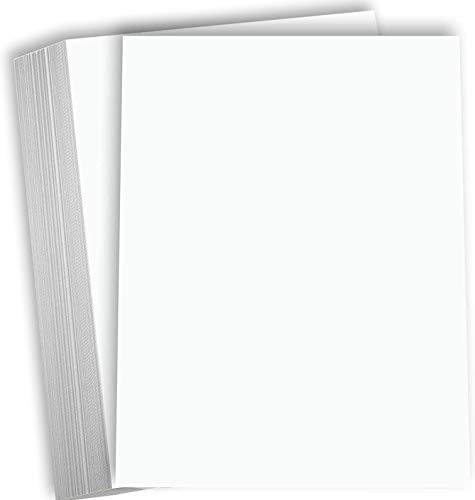
Sometimes you need a card that can handle more than just ink. If you are the type of person who likes to add glitter, ribbon, or heavy embossing to your greeting cards, Hamilco cardstock is the heavy-duty foundation you need.
This paper is thick and durable, meaning it won’t warp or buckle when it gets wet from glue or heavy ink saturation. It is the perfect choice for DIY enthusiasts who view greeting cards as a craft project rather than just a quick print.
Because it is so heavy, ensure your printer’s manual feed tray can handle the thickness before you commit to a full pack. It is a robust, high-quality stock that rewards those who put extra effort into their card-making process.
Understanding Paper Weight and Printer Compatibility
When shopping for paper, you will see numbers like "60lb" or "80lb" (often referred to as basis weight). Generally, a higher number means a thicker, more rigid card that feels more premium.
- Standard Copy Paper: Usually 20lb; avoid this for cards as it will feel flimsy.
- Light Cardstock: 60lb to 65lb; great for folding cards that need to fit through a standard printer.
- Heavy Cardstock: 80lb to 110lb; provides a luxury feel but requires a printer with a straight-through paper path.
Always check your printer’s "media specifications" to see the maximum paper weight it can handle. Forcing paper that is too thick through a printer can cause jams or damage the rollers.
Choosing the Right Envelope Size for Your Cards
There is nothing more frustrating than printing the perfect card only to realize it doesn’t fit into the envelopes you have on hand. If you are buying cards and envelopes separately, always verify the "A" size designation.
- A2 (4.375" x 5.75"): The standard size for most small, personal greeting cards.
- A7 (5.25" x 7.25"): The most common size for photo cards and formal invitations.
- A9 (5.75" x 8.75"): Best for large, dramatic announcements or multi-page cards.
When in doubt, buy your card stock and envelopes as a bundled set. It saves you the headache of measuring and ensures a professional, cohesive look for every piece of mail you send.
Tips for Achieving Professional Print Resolution
The secret to a professional-looking card isn’t just the paper—it’s the printer settings. Before you start your print run, open your printer properties and select the "High" or "Best" quality setting, even if it takes a little longer to print.
You should also adjust the "Media Type" setting to match the paper you are using, such as "Matte" or "Heavyweight." This tells the printer to adjust the amount of ink it deposits, preventing the paper from becoming oversaturated and blurry.
Finally, always run a test print on a scrap piece of paper first. This simple step helps you catch alignment issues or color discrepancies before you waste your premium card stock.
By choosing the right card stock and understanding your printer’s limits, you can create beautiful, personalized greeting cards from the comfort of your own home. Remember that the best paper for your household is the one that balances your aesthetic goals with your printer’s capabilities. With a little planning, you will always be ready to send a thoughtful note to the people who matter most.