
7 Best Fishing Log Notepads With Catch Details Tested
We tested 7 top fishing logbooks to help you track catches, weather, and gear. Discover which journals offer the best detail for improving your angling game.
Keeping a detailed record of your time on the water transforms casual outings into a strategic pursuit of your next big catch. Whether you are fishing from a local pier or a family boat, a dedicated logbook helps you identify patterns that turn luck into skill. These seven journals offer the reliability you need to document your success regardless of the conditions.
Rite in the Rain All-Weather Fishing Journal


If you have ever had a notebook turn into a soggy mess during an unexpected rain shower, you know the frustration of losing your notes. This journal is designed specifically for those who fish in less-than-perfect weather, utilizing specialized paper that repels water, mud, and grease.
It is a fantastic choice for the angler who keeps their gear in a small tackle box or a backpack where space is at a premium. Because the pages are virtually indestructible, you can toss it in your bag without worrying about it getting crushed or damp.
The trade-off here is the paper texture, which feels slightly different from standard stationery due to its synthetic coating. However, for sheer durability in a harsh environment, it remains the gold standard for outdoor utility.
KastKing Fishing Logbook for Angler Records

For the homeowner who views fishing as a data-driven hobby, this logbook offers a structured layout that makes recording complex details incredibly simple. It includes dedicated fields for water temperature, bait type, and moon phase, which are essential for tracking long-term trends.
This is an excellent option for families who want to teach children the value of documenting their progress. The layout is clean and intuitive, ensuring that even younger anglers can fill out their entries without feeling overwhelmed by technical jargon.
While it is larger than some pocket-sized notebooks, it fits perfectly on a bookshelf or in a glove compartment. It is a reliable, no-nonsense tool that prioritizes functionality over fancy aesthetics.
Catch and Release Fishing Log for Every Trip

If your household focuses on conservation and ethical angling, this logbook is tailored to your values. It provides ample space to record fish species and sizes while encouraging notes on the health of the environment and the specific release methods used.
This journal is particularly useful for those who fish local catch-and-release ponds or sensitive ecosystems. It helps you keep track of which spots are thriving and which might need a break, allowing you to be a more responsible steward of your local waterways.
The design is straightforward and avoids unnecessary clutter, making it a great budget-friendly choice. It is a humble, effective way to ensure your fishing habits remain sustainable for years to come.
Angler’s Logbook for Detailed Catch Tracking

When you are looking to move beyond simple notes and start analyzing your performance, this logbook provides the depth you need. It features comprehensive sections for recording weather patterns and water clarity, helping you understand how these variables affect your success rate.
This logbook is ideal for the dedicated angler who keeps a home office or a specific corner of the garage for gear maintenance. It serves as a permanent record that you can look back on years later to see how your skills have evolved.
Because of its detailed nature, it requires a bit more time to fill out after each session. If you prefer a quick, five-minute entry, this might feel a bit labor-intensive, but the payoff in data is well worth the effort.
Field Notes Expedition Edition for Outdoors

Field Notes are a staple for those who value minimalist design and portability. The Expedition Edition is specifically built for rugged use, featuring a tear-resistant, waterproof cover that holds up well in a boat or on a rocky shoreline.
These journals are perfect for apartment dwellers or those with limited storage space because they are slim and easy to tuck away. You can easily keep a stack of them in a drawer and rotate them as you fill them up.
The lack of pre-printed fields means you have total freedom to customize your entries. If you prefer to draw sketches of your lures or write long-form narratives, this is the most flexible option on the list.
MoonGuides Fishing Log for Seasonal Tracking
Fishing is often a game of timing, and this logbook helps you master the seasonal rhythms of the fish you target. It includes specific sections to track how different times of year and lunar cycles influence your catch rates.
This is a great tool for the weekend warrior who wants to maximize their limited time on the water. By looking back at what worked during the same month in previous years, you can plan your trips with much higher confidence.
The binding is sturdy enough to handle frequent travel, though it is slightly heavier than some of the smaller, spiral-bound alternatives. It is a solid investment for the angler who enjoys the planning phase of the sport as much as the fishing itself.
Lemome Fishing Journal With Waterproof Cover
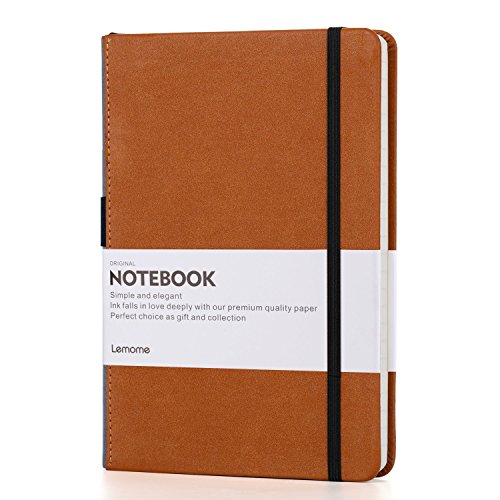
If you appreciate a journal that feels as good as it performs, the Lemome provides a professional, high-quality experience. It features a water-resistant cover and thick, bleed-resistant paper that works well with almost any pen or marker.
This journal is a great choice for those who want to combine their fishing logs with a bit of personal reflection. It looks right at home on a desk or a coffee table, making it a nice piece of functional decor for your home.
While it is slightly more expensive than basic notebooks, the quality of the materials is evident. It represents a balance between a rugged outdoor tool and a refined personal record-keeper.
Key Features to Look for in a Fishing Logbook
When choosing your log, prioritize durability over aesthetic appeal. You need a cover that can withstand moisture and a binding that won’t fall apart after being shoved into a tackle bag repeatedly.
Consider the layout carefully based on your personal needs. If you are a beginner, look for guided prompts; if you are an experienced angler, look for blank space where you can create your own shorthand.
Finally, think about size and storage. A logbook is only useful if you actually bring it with you, so ensure it fits easily into the gear bag you use most often.
Why Tracking Catch Data Improves Your Success
Tracking your data helps you identify your "lucky" spots and the specific conditions that trigger a bite. Over time, you will notice patterns—such as a preference for certain lures during overcast days—that you would have otherwise forgotten.
This practice also helps you manage your gear more effectively. By noting which lures were effective and which ones were lost to snags, you can make smarter decisions about what to restock before your next trip.
Ultimately, a logbook turns your fishing trips into a learning experience. You move from guessing to knowing, which makes every hour spent on the water more productive and enjoyable.
How to Maintain Your Logbook in Wet Conditions
Even with waterproof paper, it is a good practice to keep your journal inside a Ziploc bag when not in use. This adds an extra layer of protection against the elements and keeps your notes clean.
Always carry a permanent marker or a waterproof pen to ensure your writing doesn’t smear if it gets wet. Standard ink can bleed and become unreadable, which defeats the purpose of keeping a record.
Finally, take a moment to dry off the pages at home if they have been exposed to heavy mist or spray. A little bit of care after your trip ensures your logbook remains a legible, long-term resource.
Building a library of your fishing experiences is one of the most rewarding ways to deepen your connection to the sport. By choosing a logbook that fits your specific habits and storage needs, you ensure your records remain safe and useful for years. Pick a journal that feels right to you, and start documenting your journey today.