7 Best Tamper-resistant Extension Cords With Safety Covers
Keep your home safe with our top 7 tamper-resistant extension cords. Discover durable designs featuring built-in safety covers to prevent accidental shocks.
Finding the right extension cord isn’t just about reaching a distant outlet; it’s about protecting your home and family from preventable hazards. With the right safety features, you can turn a temporary power solution into a permanent, worry-free part of your household routine. This guide breaks down the most reliable options to help you balance budget, durability, and essential safety.
GE 15-Foot Pro-Tough Extension Cord With Covers


If you have a busy household with curious toddlers or pets, you know that exposed outlets are a major concern. The GE Pro-Tough cord is designed for those who need a reliable, everyday solution that doesn’t sacrifice peace of mind. Its integrated safety covers snap firmly into place, preventing debris and small fingers from accessing the live contacts.
This cord strikes a great balance between flexibility and ruggedness. It is thin enough to snake behind a sofa or nightstand without creating a tripping hazard, yet durable enough to withstand the occasional foot traffic of a busy living room.
The bottom line is that this is an excellent "set it and forget it" choice for low-to-medium draw electronics like lamps or fans. It’s an affordable entry point for families who need multiple cords across different rooms.
Amazon Basics 15-Foot Indoor Cord With Safety Cap
Extend power up to 15 feet with this versatile indoor extension cord. Its 3-prong design is compatible with most electronics and tools, offering a reliable 13-amp, 125V connection.

For renters who need to maximize their limited outlet space without breaking the bank, the Amazon Basics indoor cord is a practical workhorse. It features simple, effective safety caps that slide over the unused slots. It’s not the flashiest product on the market, but it gets the job done reliably for basic household appliances.
Because it is lightweight, this cord is incredibly easy to store in a drawer or closet when not in use. It lacks the heavy-duty shielding found in more expensive models, so I recommend keeping it away from high-heat areas or heavy furniture that might pinch the cable.
If you are looking for a cost-effective way to power your bedside clock or a decorative light, this is a solid pick. Just remember that its lightweight design means it shouldn’t be used for power-hungry appliances like space heaters.
Woods 25-Foot Heavy-Duty Cord With Sliding Covers

When you’re working in a garage, basement, or a larger living area, you need a cord that can handle the extra distance without losing structural integrity. The Woods 25-foot cord is built for those who need a bit more reach and a tougher exterior. The sliding safety covers are a standout feature here, as they are much harder to lose than individual plastic caps.
This cord is thicker and more rigid, which makes it less prone to tangling but slightly harder to maneuver in tight corners. It is clearly built for durability, making it perfect for homeowners who move their workspace around frequently.
The trade-off for this durability is the physical size of the cord. It takes up more storage space, so consider if you truly need the extra length before committing to this bulkier option.
CyberPower 10-Foot Outlet Cord With Safety Gates
Power and protect up to six devices with this GE surge protector, featuring a 10ft cord and 600 Joules of protection. Safety covers keep unused outlets secure, while an indicator light confirms protection is active.

CyberPower is well-known for power protection, and their 10-foot cord brings that same focus on safety to a smaller scale. The standout feature here is the inclusion of internal safety gates, which prevent anything other than a properly inserted plug from making contact with the electrical current. This is a massive upgrade over simple plastic covers that can easily be misplaced.
The 10-foot length is ideal for smaller bedrooms or apartment layouts where you just need to bridge the gap between a wall outlet and a desk. It keeps your workspace tidy without leaving yards of excess cable coiled up on the floor.
If you value convenience and high-level safety features, this is a top-tier choice. While it costs a bit more than a basic extension cord, the built-in safety gates provide a level of security that is worth the investment.
Coleman Cable 15-Foot Cord With Protective Covers
Coleman Cable is a trusted name for a reason, and their 15-foot cord is a reliable staple for any home utility closet. It features sturdy, hinged covers that provide a tight seal against dust and moisture. This makes it a great candidate for use in areas that might be slightly more exposed, like a finished basement or a sunroom.
The cord itself has a nice, supple feel, making it easy to wrap and stow away when your project is finished. It is neither too thin nor too heavy, occupying that "Goldilocks" zone of versatility that most homeowners appreciate.
My advice is to use this for your mid-range household needs. It is a dependable product that won’t let you down, provided you respect its rated capacity for amperage.
Tripp Lite 12-Foot Power Cord With Safety Shield

Tripp Lite is often associated with professional-grade gear, and their 12-foot cord reflects that standard of quality. The safety shield mechanism is robust and feels more substantial than the caps found on budget cords. It’s an excellent choice for homeowners who want to protect expensive electronics from dust and accidental contact.
The 12-foot length is a smart, non-standard size that fits perfectly in many home office setups. It’s just long enough to reach across a room without creating a massive amount of cord clutter.
While the price point is higher, the build quality is evident. If you are powering a home office computer or sensitive audio equipment, the extra cost is a small price to pay for reliable power delivery.
Maximm 8-Foot Extension Cord With Sliding Covers
In small apartments or dorm rooms, every square inch of space counts. The Maximm 8-foot cord is designed with a low-profile, flat plug that allows you to push furniture closer to the wall. The sliding safety covers are built directly into the outlet block, ensuring they are always there when you need them.
This cord is arguably the most "lifestyle-friendly" option on this list. It is designed to blend into your decor rather than stand out as a clunky utility item.
It is best suited for light-duty tasks like charging phones or running a small lamp. Because of its shorter length and slim profile, it isn’t meant for heavy-duty appliances, but for daily convenience, it is hard to beat.
Understanding Gauge and Amperage for Home Safety
Many homeowners make the mistake of assuming all extension cords are created equal. The "gauge" of a cord refers to the thickness of the copper wire inside; a lower number means a thicker wire. A 14-gauge cord is much safer for heavy-duty appliances than a 16-gauge cord, which is better suited for lamps.
Amperage is the amount of electrical current a device pulls. If you plug a high-draw item like a space heater into a thin, long extension cord, the cord will heat up, posing a significant fire risk. Always check the label on your appliance to see its wattage or amperage requirements.
- 16-gauge: Best for lamps, clocks, and light electronics.
- 14-gauge: Suitable for power tools and small kitchen appliances.
- 12-gauge: Necessary for heavy-duty heaters or large equipment.
How to Properly Test Your Extension Cord Integrity
Even the best cord will eventually wear out, especially if it is stepped on, bent, or stored improperly. Periodically inspect the entire length of the cord for any signs of fraying, cracking, or exposed wiring. If you see any damage, do not attempt to repair it with electrical tape; replace the cord immediately.
Test the safety covers to ensure they snap shut firmly and stay in place. A loose cover is a hazard, as it can fall open and expose the electrical contacts to dust or curious hands. If the cover mechanism feels loose or broken, the cord has reached the end of its useful life.
Finally, check the plug ends for any signs of discoloration or melting. This is a telltale sign that the cord has been overloaded in the past. If the plastic looks yellowed or brittle, it’s time to recycle the unit and buy a fresh one.
Essential Safety Tips for Managing Cord Clutter
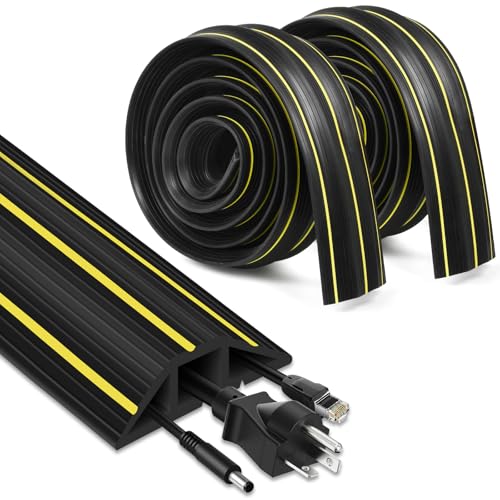
Cord clutter isn’t just an eyesore; it’s a tripping hazard and a potential fire risk. Never run extension cords under rugs or carpets, as this prevents heat from dissipating, which can lead to a fire. If you must run a cord across a walkway, use a dedicated cord cover or cable ramp to keep it flat and visible.
Avoid "daisy-chaining" cords by plugging one into another to gain extra length. This increases the resistance and the likelihood of overheating. Instead, buy a single cord of the appropriate length for the task at hand.
- Avoid pinching: Never trap cords under heavy furniture or in door frames.
- Use clips: Utilize adhesive cable clips to keep cords tucked neatly along baseboards.
- Label your cords: If you have many, label both ends so you know exactly which appliance is plugged in.
Choosing the right extension cord is about matching the tool to the task while prioritizing the safety of your home. By paying attention to gauge, length, and the quality of the safety covers, you can prevent accidents before they happen. Remember that a cord is a consumable item, so don’t hesitate to replace it once it shows its age to keep your household running smoothly and safely.