7 Best Battery Backups For Well Pump Control Systems
Ensure your water supply stays consistent during outages. We review the 7 best battery backups for well pump systems to keep your home running reliably today.
Losing water pressure during a power outage is one of the most stressful experiences a homeowner can face, turning simple tasks like washing dishes or flushing toilets into major hurdles. Having a reliable battery backup or generator system ensures your household remains functional even when the grid goes down. This guide breaks down the best power solutions to keep your well pump running smoothly regardless of the weather.
Jackery Explorer 1000: Best for Well Pump Power


If you live in a suburban home where outages are occasional but inconvenient, the Jackery Explorer 1000 is a fantastic starting point. It offers enough surge capacity to handle the initial "kick" that many well pumps require when they first turn on.
Because it is relatively compact, it fits easily in a garage corner or a utility closet without taking up valuable floor space. It is quiet, emission-free, and doesn’t require the complex fuel management that gas-powered generators demand.
However, keep in mind that this unit is best suited for intermittent, short-term use. If your power is out for days at a time, you will need to pair it with solar panels to keep the battery topped off.
EcoFlow Delta Pro: Top Choice for Heavy Duty Use
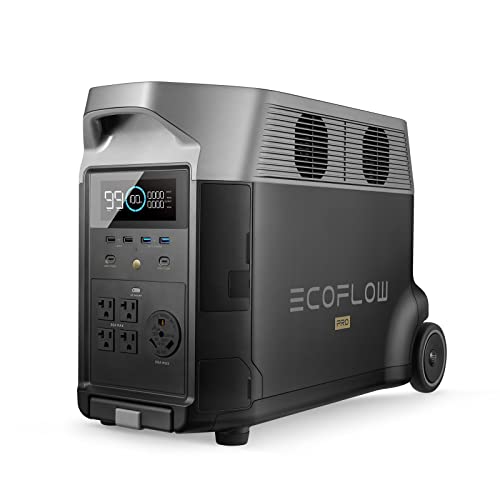
For larger households or those living in rural areas prone to multi-day outages, the EcoFlow Delta Pro is a powerhouse. It is designed to handle high-wattage appliances, making it one of the few portable stations capable of running a heavy-duty well pump for an extended duration.
The standout feature here is the expansion capability. You can add extra batteries to the system, allowing you to scale your power storage based on your specific water usage needs.
While the price tag is significant, the investment pays off in durability and raw performance. It is a heavy unit, so plan to keep it in a dedicated spot near your electrical panel rather than moving it around frequently.
Bluetti AC200MAX: Best Modular Backup Solution

The Bluetti AC200MAX strikes a great balance between power capacity and user-friendly design. Its modular nature allows you to add external battery packs, which is perfect if you aren’t sure exactly how much storage you need right now but want the option to grow later.
It uses LiFePO4 battery chemistry, which is widely considered the gold standard for longevity. You can cycle this battery thousands of times before seeing significant degradation, making it a reliable long-term companion for your home.
This unit is ideal for homeowners who want a "set it and forget it" solution. Just ensure you have a clean, dry space to store it, as these units perform best when kept at moderate temperatures.
Renogy Phoenix 300: Best Budget Power Station

If you only need to power a small, low-wattage booster pump or a very efficient shallow-well system, the Renogy Phoenix 300 is an incredibly practical choice. It is lightweight, portable, and won’t break the bank.
This unit is not designed for deep-well pumps that pull massive amounts of electricity. Instead, think of it as an emergency bridge that keeps your essential water flow trickling until the power returns.
It’s an excellent option for renters or those in smaller homes who don’t have the space for massive battery banks. Always check your pump’s starting wattage before purchasing to ensure this unit can handle the initial draw.
Westinghouse WGen9500DF: Best Dual Fuel Option

Sometimes, a battery just isn’t enough, especially if you have a large family and high water demand. The Westinghouse WGen9500DF runs on both gasoline and propane, giving you the flexibility to use whatever fuel is most accessible during an emergency.
Propane is often the better choice for long-term storage because it doesn’t degrade like gasoline. This makes the unit much more reliable if it sits in your shed for six months between outages.
Because this is a fuel-burning generator, it must be operated outdoors in a well-ventilated area. It is louder than a battery station, but it provides the raw, sustained power necessary to run a well pump indefinitely.
Generac GP8000E: Reliable Manual Transfer Choice

The Generac GP8000E is a workhorse designed for homeowners who want a straightforward, no-nonsense approach to backup power. It is built to be connected to your home’s electrical system via a manual transfer switch, which is the safest way to power your pump.
This unit is robust and reliable, capable of powering not just your well pump, but also your refrigerator and a few lights. It’s a classic solution that has been a staple in American garages for decades.
You will need to perform regular maintenance, such as oil changes and fuel stabilization, to keep it running well. If you aren’t comfortable with mechanical maintenance, consider hiring a professional to service it annually.
Champion 7500-Watt: Best Value for Home Pumps
The Champion 7500-Watt generator offers a sweet spot between professional-grade power and home-friendly pricing. It provides ample wattage to start even the most stubborn well pumps without the premium cost of some other major brands.
It features a user-friendly control panel that makes it easy to monitor your power output. This is particularly helpful when you are juggling multiple appliances during an outage and need to ensure you aren’t overloading the system.
This is a heavy-duty machine, so it is best for homeowners with a permanent storage spot like a shed or a garage. It’s a dependable, high-value choice for those who want peace of mind without overspending.
How to Calculate Your Well Pump Wattage Needs
To choose the right backup, you must know your pump’s "starting wattage" versus its "running wattage." Most well pumps require two to three times their running wattage for just a few seconds to kick the motor into gear.
- Check the label: Look at the side of your pump or the control box for a data plate that lists "HP" (horsepower) and voltage.
- Use a calculator: A 1/2 HP pump typically requires about 1,000 running watts but may need 2,000+ watts to start.
- Account for other loads: If your backup system is also powering your fridge or lights, add those running wattages to your total.
Always aim for a backup system that exceeds your calculated starting wattage by at least 20%. This buffer prevents the system from tripping its internal safety breakers during every cycle.
Why a Transfer Switch is Vital for Pump Safety
Never try to power your home by plugging a generator directly into a wall outlet, as this creates a dangerous "backfeed" that can electrocute utility workers. A transfer switch is the professional way to isolate your well pump from the grid.
A transfer switch allows you to safely toggle your pump’s power source from the utility grid to your generator or battery bank. It ensures that your backup system is only powering your home, not the entire neighborhood’s lines.
While installing a transfer switch requires a licensed electrician, it is a non-negotiable safety feature. It protects your equipment from power surges and keeps your home compliant with local building codes.
Maintenance Tips for Long-Term Battery Health
To keep your battery backup in peak condition, store it in a cool, dry place away from direct sunlight. Extreme heat is the enemy of battery life, as it can cause internal degradation and reduce your total capacity over time.
- Exercise the battery: Even if you don’t have an outage, plug the unit in and discharge it to 50% every few months, then recharge it fully.
- Keep it clean: Dust and debris can interfere with cooling fans, so wipe down your unit regularly.
- Firmware updates: If your battery system has a companion app, check for firmware updates periodically to ensure the management software is running efficiently.
Treat your battery backup like a vital appliance rather than a piece of camping gear. With consistent, light maintenance, these units can provide reliable water pressure for years to come.
Investing in a well pump backup is one of the most practical steps you can take to protect your home’s functionality during an emergency. By balancing your specific wattage needs with the right technology, you can ensure your water keeps flowing regardless of what happens on the grid. Choose the solution that best fits your space and maintenance comfort level to enjoy true peace of mind.