7 Best Headphones Designed for Small Ear Canals
Struggling with earbud fit? Discover our top 7 headphones for small ear canals, featuring ergonomic designs and secure tips for ultimate comfort and sound.
Finding the right pair of earbuds when you have smaller-than-average ear canals often feels like an exercise in frustration. Many standard models are simply too bulky, leading to constant slippage or painful pressure during daily tasks. This guide highlights options that prioritize a compact, reliable fit so you can enjoy your audio without the constant need for adjustments.
Sony LinkBuds S: Best for All-Day Comfort


If you spend your mornings multitasking—perhaps balancing a remote work call while tidying up the kitchen—the Sony LinkBuds S are a standout choice. Their ultra-compact, lightweight design is specifically engineered to sit flush against the ear, preventing the "bulky" feeling common with larger buds.
The real beauty here is the ergonomic surface that minimizes pressure on the ear canal entrance. Because they are so small, they don’t rely on a deep insertion to stay put, which is a relief for those who find deep-seal earbuds intrusive.
While they aren’t the cheapest option on the market, the trade-off is a premium comfort level that lasts through long commutes or extended household chores. If you prioritize comfort over raw bass power, these are a reliable daily driver.
Jabra Elite 8 Active: Secure Fit for Sports

For those who treat their morning jog or home workout as a non-negotiable part of their routine, finding earbuds that don’t fall out during movement is essential. The Jabra Elite 8 Active features a specialized "ShakeGrip" coating that provides a soft-touch texture, helping them stay snug in smaller ears without needing aggressive, uncomfortable tips.
These are built for durability, meaning they can handle the sweat of a high-intensity workout or the occasional accidental drop on a hard kitchen floor. Their physical profile is slim enough that they won’t snag on hoodies or hats during winter activities.
The bottom line is that these provide a secure, "set it and forget it" experience. They are an excellent investment if you want a rugged pair of headphones that won’t require constant pushing back into place while you’re active.
Beats Fit Pro: Best for Stable Ear Placement

Sometimes, the shape of your ear canal isn’t the only hurdle; the outer ear structure can also make keeping earbuds in place a challenge. The Beats Fit Pro solves this with a clever, flexible wingtip that tucks neatly into the concha of the ear.
This design is a game-changer for those with shallow ear canals because the wingtip takes the weight off the canal itself. Instead of relying on a tight seal inside the ear, the buds are anchored securely against the cartilage.
While the charging case is slightly larger than some competitors, the stability they offer is unmatched. If you’ve tried every size of silicone tip and still struggle with slippage, this unique anchoring system is likely your best solution.
Google Pixel Buds Pro: Compact Ergonomic Design

The Google Pixel Buds Pro are designed with a focus on a "pressure-relief" vent, which is a major benefit for people with small ears. Often, a tight seal creates a vacuum effect that feels like a plunger, leading to ear fatigue after just thirty minutes of use.
These buds are shaped to be circular and low-profile, meaning they don’t stick out far from the ear. This makes them a great choice for wearing while lying down on a pillow or wearing over-ear earmuffs in cold weather.
They offer a balanced sound signature that works well for podcasts and music alike. If you want a clean, modern aesthetic that doesn’t feel like a foreign object in your ear, these are a very practical choice.
Soundcore Space A40: Best Value for Small Ears

If you are looking for a high-performing pair of earbuds without the luxury price tag, the Soundcore Space A40 is a fantastic contender. They come with a wide array of silicone tip sizes, including extra-small options that are often missing from more expensive brands.
The buds themselves are incredibly small and rounded, making them one of the most comfortable options for people with petite ears. They also feature an impressive battery life, which is perfect for households where multiple people might share the same pair of headphones.
The trade-off is that the app interface is a bit more utilitarian than some premium competitors. However, for the price, you are getting excellent noise cancellation and a fit that is genuinely tailored for smaller anatomy.
Sennheiser CX Plus: Superior Sound in Small Size
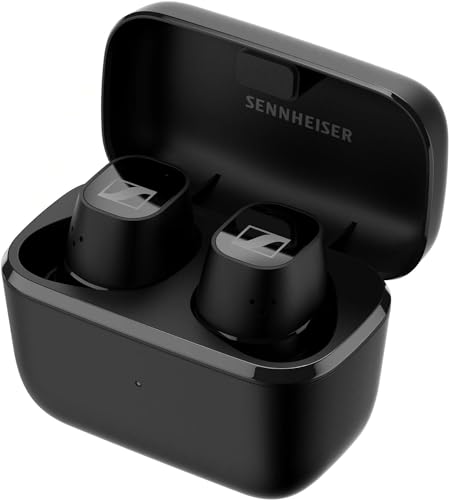
Sennheiser is known for audio quality, and the CX Plus manages to pack that signature sound into a surprisingly small housing. For the audiophile who happens to have small ear canals, this is a rare find that doesn’t sacrifice performance for a compact fit.
The touch controls are intuitive and responsive, so you won’t have to press the buds deep into your ear just to pause a track or skip a song. This is a subtle but vital feature for anyone who finds that physical button presses cause discomfort.
While they may not have the rugged, rubberized exterior of some "sport" models, they are perfectly suited for home use, office work, or casual walking. They represent a solid balance of high-fidelity audio and everyday wearability.
EarFun Free Pro 3: Ultra-Lightweight Comfort
The EarFun Free Pro 3 is designed for users who want the smallest possible footprint. These are some of the lightest earbuds on the market, which is the most important factor for preventing ear fatigue over long periods.
Because they are so light, they don’t exert much gravitational pull on your ear canal, meaning you won’t feel that constant urge to readjust them. They also come with several sets of ear hooks, which can provide extra stability if you have a very small ear structure.
These are an affordable, no-nonsense solution that focuses entirely on fit. If you have been burned by "one-size-fits-all" marketing in the past, the modular fit options here offer a much higher chance of success.
How to Measure Your Ear Canal for Better Fit
Many people assume their ear canals are a uniform size, but they actually vary significantly in diameter and depth. To gauge your needs, try testing the smallest silicone tip included with your current earbuds; if it feels loose, move up one size.
- The "Shake Test": Gently insert the bud and shake your head; if it wobbles, the tip is too small or the wrong shape.
- The Pressure Test: If you feel a "clogged" sensation or ear pain after ten minutes, the tip is likely too large or the nozzle is too wide.
- Visual Inspection: Use a small mirror to see if the bud sits flush with your ear or if it protrudes, which can cause snagging on clothing.
Remember that your left and right ear canals may actually be different sizes. Don’t be afraid to mix and match tip sizes between your left and right earbuds to achieve the perfect, customized fit.
Why Silicone Tips Matter for Small Ear Canals
The silicone tip is the primary point of contact between your ear and the technology, making it the most critical component for comfort. Standard rubber tips can be too stiff, creating friction that leads to soreness after an hour of use.
- Material: Look for medical-grade silicone, which is softer and more pliable than standard plastic-based tips.
- Shape: Some users find "double-flange" tips provide a better seal for small canals because they sit shallower.
- Maintenance: Always wipe your tips with a dry cloth after use to remove oils; slippery, oily tips are much more likely to slide out of a small ear canal.
If you find that even the smallest included tips are too big, consider purchasing third-party "memory foam" tips. These can be compressed before insertion, allowing them to expand gently to fit your specific canal shape without applying excessive outward pressure.
Troubleshooting Earbud Discomfort and Slippage
If you find yourself constantly pushing your earbuds back in, the issue is often a lack of grip or an imbalance in weight. First, ensure your ears are clean and dry, as natural oils act as a lubricant that causes even the best-fitting buds to slide out.
If discomfort persists, try swapping to a different shape of ear tip rather than just a different size. Sometimes a shorter, wider tip is more comfortable than a long, thin one, even if the diameter is technically the same.
Finally, consider the angle of insertion; sometimes a slight rotation of the earbud can lock the housing against your ear’s outer anatomy. If nothing works, don’t force it—your ear health is more important than any specific pair of headphones.
Finding the right earbuds for small ear canals is all about prioritizing a low-profile design and customizable tip options. By focusing on the fit rather than just the feature list, you can avoid the frustration of constant slippage and discomfort. Take your time to test different configurations, and you will eventually find the perfect pair for your daily routine.