

7 Best Universal Wall Anchors for Multiple Surface Types
Choosing the right fastener is vital. Our guide reviews the 7 best universal wall anchors, ensuring secure, reliable mounting across all surface types.
We have all been there—standing in the hardware aisle, staring at a wall of plastic bits, wondering which one will actually hold your heavy mirror without crashing down. Choosing the right anchor is the difference between a secure, long-term installation and a frustrating, hole-filled wall repair. This guide will help you navigate the options so you can confidently tackle your next home project.
Toggler All-Purpose Snaptoggle for Heavy Loads
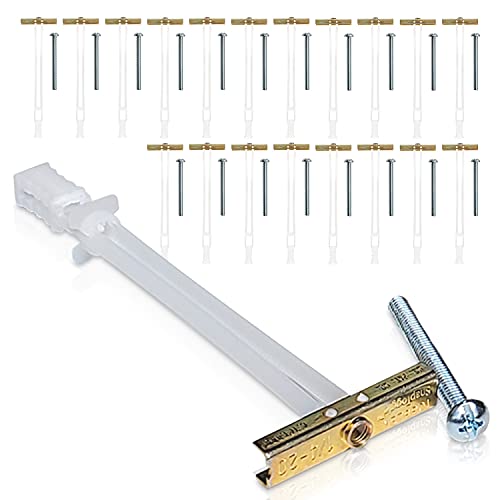

When you are mounting a heavy television mount or a sturdy floating shelf, standard plastic plugs simply won’t cut it. The Toggler Snaptoggle is the gold standard for heavy-duty projects because it uses a metal channel that pivots behind the wall, creating a massive load-bearing surface.
Because this anchor requires a larger hole than a standard screw, it is best for homeowners who don’t mind a bit of patching if they ever move the fixture. It is incredibly strong, often outperforming the wall material itself, which makes it perfect for high-traffic areas where things might get bumped or pulled.
The tradeoff here is the installation process, which is slightly more involved than a simple screw-in anchor. However, for peace of mind, the extra minute it takes to feed the metal channel through the hole is well worth the stability it provides.
Hillman Group Hollow Wall Anchor for Drywall

If you live in an apartment or a rental where you need to hang lightweight decor like picture frames or small canvases, the Hillman Hollow Wall Anchor is a reliable standby. These are designed specifically for drywall, expanding behind the surface to create a secure grip without needing a stud.
They are very budget-friendly and widely available, making them a staple for quick weekend projects. Because they are meant for lighter loads, they are perfect for those who like to rearrange their space frequently without creating massive damage to the walls.
Keep in mind that these are not meant for heavy shelving or anything that will experience significant downward force. If you try to push these to their limit, they will likely pull through the drywall, leaving you with a jagged hole that is harder to patch than the original installation.
E-Z Ancor Twist-N-Lock for Quick Installations

We have all had those moments where we just want to get a coat hook or a towel rack up without dragging out the power drill. The E-Z Ancor is a self-drilling anchor that acts like a screw, allowing you to drive it directly into the drywall with just a screwdriver.
This is the ultimate tool for the DIYer who is short on time or lacks a full set of power tools. The "Twist-N-Lock" mechanism provides a tactile "click" when it is flush with the wall, so you know exactly when to stop turning to avoid stripping the gypsum.
While these are incredibly convenient, they are strictly for drywall and are not suitable for plaster or masonry. They are a fantastic "quick fix" option, but for heavy-duty, permanent installations, you might find they lack the long-term shear strength of a toggle bolt.
Fischer UX Universal Plug for All Base Materials

If you are renovating an older home where you aren’t quite sure what is behind the paint—be it brick, concrete, or hollow block—the Fischer UX is a versatile problem solver. These plugs are designed to knot or expand depending on the material they encounter, making them a true "one-size-fits-all" solution.
Having a box of these in your junk drawer is a smart move for any homeowner. They eliminate the guesswork of identifying wall types, saving you multiple trips to the hardware store when you encounter an unexpected surface during a project.
The price point is slightly higher than basic plastic plugs, but you are paying for the engineering that allows them to function across varied substrates. They are reliable, sturdy, and take the anxiety out of drilling into mysterious wall types.
Rawlplug Uno Universal Plug for Solid Surfaces

When you are working with solid masonry or concrete, you need an anchor that won’t spin in the hole while you are tightening the screw. The Rawlplug Uno features anti-rotation barbs that bite into the material, ensuring the anchor stays put while you drive the fastener home.
These are excellent for outdoor projects, such as mounting address numbers to a brick facade or securing a gate latch to a concrete post. They are built for durability and are resistant to the expansion and contraction that comes with temperature changes.
Because these are designed for solid materials, they don’t perform well in hollow drywall. If you try to use them in a thin wall, they won’t have the necessary surface area to grip, which can lead to a loose and unstable mount.
Cobra TripleGrip Anchor for Versatile Mounting

The Cobra TripleGrip is a clever hybrid that works well in almost any wall type, including drywall, plaster, and hollow block. It features three distinct wings that expand behind the wall, providing a secure, vibration-resistant hold that is great for high-use areas.
I recommend these for families with children or pets where fixtures might be subject to accidental bumps or tugs. The design is robust enough to handle moderate weight while remaining simple enough for a beginner to install with a standard drill bit.
The main drawback is that they are slightly bulkier than simple plugs, meaning you need to be precise with your drill bit size. Always check the packaging for the recommended bit diameter to ensure the anchor sits snugly without spinning.
WingIt Master Anchor for Hollow Wall Strength
For bathroom hardware, specifically grab bars or heavy towel racks, you need an anchor that can handle significant pull-out force. The WingIt Master Anchor is specifically engineered for these high-stakes applications, utilizing a unique design that is nearly impossible to pull out of a hollow wall.
These are a must-have for aging-in-place modifications or high-traffic bathrooms where stability is a safety requirement. While they are more expensive than standard hardware-store anchors, the safety and reliability they offer are unmatched in the hollow-wall category.
Installation requires a bit more care and precision, but the result is a rock-solid fixture that feels like it is mounted directly into a stud. If you are worried about the safety of your bathroom hardware, this is the investment you should make.
How to Match Anchor Types to Your Wall Material
- Drywall (Hollow): Use toggle bolts or self-drilling anchors for light-to-medium loads.
- Plaster: Opt for anchors that expand slowly, like universal plugs, to avoid cracking the brittle surface.
- Masonry/Brick/Concrete: Use masonry-specific plugs or sleeve anchors that are designed to expand under pressure.
- Studs: Skip the anchor entirely and use a high-quality wood screw directly into the center of the stud for maximum strength.
Always test your drill bit on a scrap piece of material if you are unsure of the surface density. If the dust coming out of the hole is white and powdery, you are likely in drywall; if it is gritty or colored, you are dealing with masonry or plaster.
Safety Tips for Drilling Into Unknown Surfaces
Before you pull the trigger on that drill, always check for hidden electrical wires or plumbing pipes. A simple stud finder with AC detection can save you thousands of dollars in potential repair costs.
Start by drilling a small pilot hole to feel the resistance of the wall. If the drill bit punches through suddenly, you are in a hollow space; if it hits hard resistance, you are likely hitting a stud or a solid masonry wall.
Never force a drill if you feel unusual resistance, as you could be hitting a utility line. When in doubt, stop, look, and reconsider your mounting location—it is always better to move a few inches to the left than to drill into a water pipe.
Essential Tools for Proper Anchor Installation
A good cordless drill is your best friend, but having a set of sharp drill bits is equally important. Dull bits tend to "walk" across the surface, creating a messy hole that is too large for your anchor to grip properly.
Keep a level and a measuring tape on hand to ensure your work looks professional. A simple pencil for marking your spots will prevent permanent damage to your walls if you make a mistake during the layout phase.
Finally, keep a small container of spackle and a putty knife in your toolkit. Even the best installers make mistakes, and having the supplies to patch a hole quickly will keep your home looking polished and well-maintained.
Finding the right anchor is a small task that yields a big result in the comfort and safety of your home. By choosing the right tool for your specific wall type, you ensure that your belongings stay exactly where you put them. Take your time, measure twice, and you will have a rock-solid installation every single time.


