7 Best Lightweight Disposable Forks for Arthritis Sufferers
Finding the right utensils matters. Discover 7 lightweight, ergonomic disposable forks designed to ease grip strain and enhance comfort for arthritis patients.
Finding the right disposable cutlery can transform mealtime for those living with arthritis by reducing hand strain and fatigue. When your joints are sensitive, the weight and handle shape of a fork become just as important as the food you are eating. This guide highlights options that prioritize comfort and ease of use for your daily routine.
WNA Comet Caterer’s Collection: Best Overall Choice
When hosting a large family gathering or managing a household where frequent cleanup is a burden, you need a fork that balances sturdiness with a lightweight profile. The WNA Comet Caterer’s Collection is a favorite because it mimics the balance of traditional silverware without the heavy metal weight.
The design features a slightly elongated handle that provides excellent leverage, which is a lifesaver for those who experience pain when applying pressure to cut through food. It feels substantial enough to offer control but light enough to prevent the wrist fatigue that often comes with using heavy stainless steel.
For homeowners with limited storage space, these come in compact boxes that tuck easily into pantry shelves or under-sink organizers. The bottom line is that these offer the most reliable performance for the widest range of users, making them a safe, high-quality bet for your kitchen.
Dixie Heavyweight Cutlery: Best for Firm Grip
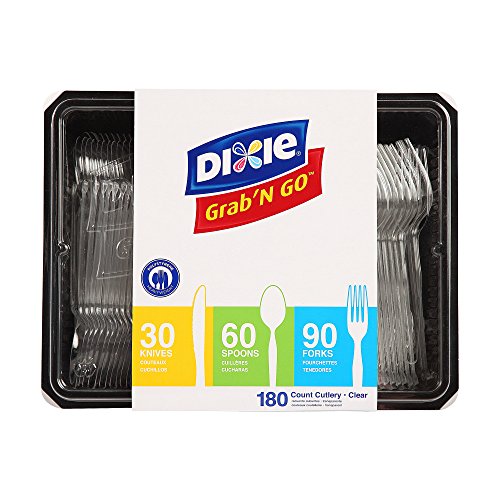

If you find that your hands often cramp during meals, the texture and shape of your cutlery handle are your most important considerations. Dixie Heavyweight Cutlery is engineered with a slightly wider handle base that fits naturally into the palm, reducing the need for a tight "pinch" grip.
This design is particularly helpful for those with limited dexterity, as the matte finish provides a subtle friction that prevents the utensil from slipping. You won’t have to squeeze as hard to maintain control, which directly translates to less joint inflammation after a long dinner.
While these are slightly more expensive than generic store brands, the ergonomic advantage is worth the investment for daily use. If you struggle with grip strength, prioritize this option to keep your mealtime experience comfortable and stress-free.
Hoffmaster Premium Plastic: Top Ergonomic Design

For those who prioritize a comfortable hold above all else, Hoffmaster Premium Plastic forks offer a unique profile that stands out in the disposable market. The handle is contoured to fit the natural curve of the fingers, which helps distribute the weight of the utensil more evenly across the hand.
This is a fantastic choice for apartment dwellers who want to keep their kitchen supplies minimal but effective. Because they are designed with ergonomics in mind, they feel less like "disposable" items and more like a permanent tool for your daily needs.
The durability is high, meaning you won’t have to worry about the tines bending while you are trying to enjoy a meal. If you want to move away from standard, thin-handled forks, this is the most effective upgrade you can make for your joint comfort.
Amazon Basics Disposable Forks: Best Value Option

We all have those days where we need a quick, budget-friendly solution for a large group or a busy week of meal prepping. Amazon Basics disposable forks are the quintessential "workhorse" option that keeps your costs low without sacrificing too much utility.
They are incredibly lightweight, which makes them easy to hold for individuals with severe arthritis, though they lack the specialized contouring of more expensive brands. They are best suited for softer foods like pasta, salads, or cooked vegetables rather than tough meats.
For a household on a budget, these are a practical choice because they allow you to stock up in bulk without taking up excessive closet space. They are the honest, no-frills choice for maintaining a well-stocked kitchen on a modest budget.
Solo Ultra-Sturdy Forks: Best for Heavy Foods

Sometimes you just want a hearty meal, and the last thing you need is a fork that snaps under the weight of a steak or a dense casserole. Solo Ultra-Sturdy forks are built with a reinforced neck, which is the most common point of failure for lightweight cutlery.
This reinforcement is crucial for arthritis sufferers because it eliminates the "wobble" that forces you to adjust your grip mid-meal. When your utensil is rigid and dependable, you can focus on eating rather than managing the tool in your hand.
These are slightly heavier than other disposables, but that weight is concentrated in the handle for better balance. If your daily routine involves substantial, home-cooked meals, this is the most reliable option for your kitchen drawer.
Prestee Heavy Duty Forks: Best Lightweight Feel

If you find that even "heavyweight" plastic feels too cumbersome, Prestee Heavy Duty forks strike a perfect middle ground. They manage to be incredibly light, which minimizes the load on your hand joints, while still maintaining enough structural integrity for everyday use.
These are an excellent choice for elderly homeowners who need to minimize the physical effort required to lift a utensil to their mouth. The material is smooth and comfortable to the touch, which helps prevent skin irritation for those with sensitive hands.
Because they are so light, they don’t feel like a chore to use, even during longer meals. If you are tired of bulky, awkward plasticware, this option will feel like a breath of fresh air in your daily routine.
Crystalware Clear Forks: Best for Daily Utility
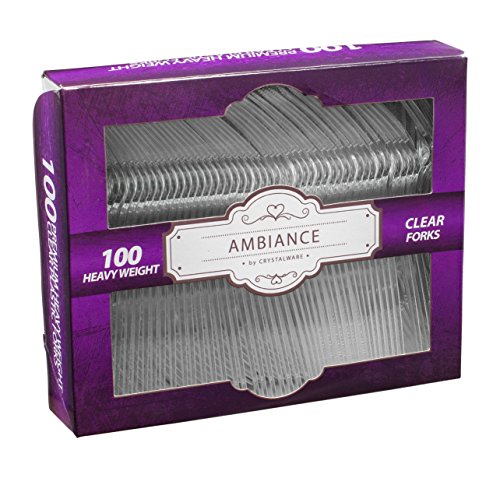
Crystalware Clear forks are the standard for households that value consistency and a clean aesthetic. They are designed to be functional and unobtrusive, fitting in well with any table setting whether you are having a quick lunch or a casual dinner.
They are lightweight and feature a simple, classic handle design that is easy to grasp for most users. While they don’t have specialized ergonomic grips, their simplicity is their strength, as there are no weird edges or textures to distract from the meal.
For renters who might have limited space for specialized kitchen tools, these are a great "catch-all" solution. They provide reliable, everyday performance that won’t break the bank or clutter your cabinets.
Key Features for Arthritis-Friendly Cutlery
When shopping for cutlery, look for three main features: handle width, weight distribution, and surface texture. A wider handle allows you to use a broader grip, which puts less stress on the small joints of your fingers than a thin, rounded handle.
Weight is a double-edged sword; while a heavy fork can feel "premium," it can also cause rapid fatigue for those with chronic pain. Aim for a fork that feels balanced—meaning the weight is distributed evenly between the head and the handle—rather than one that is top-heavy.
Finally, consider the material finish. A smooth, glossy plastic can be slippery, while a matte or textured finish provides the necessary friction to hold the fork securely without needing to squeeze tightly.
How Grip Texture Impacts Hand Joint Comfort
The surface of your fork handle is often overlooked, but it plays a significant role in how much force your hand needs to exert. Smooth, hard plastics often require a firmer grip to prevent the utensil from rotating in your hand during use.
Textured or matte handles act as a natural stabilizer, allowing you to maintain control with a relaxed hand. This is particularly important for those who suffer from flare-ups, where even a slight increase in grip pressure can cause significant discomfort.
If you find your current cutlery is too slippery, you can even add a small piece of foam tubing or a silicone grip to the handle. However, choosing a fork with a built-in textured finish is a much more convenient, long-term solution for your home.
Comparing Material Durability and Weight Needs
When choosing between brands, always consider the "flex-to-strength" ratio. A fork that is too flexible will require you to compensate by using more wrist and hand force to keep the tines straight, which is counterproductive for arthritis management.
Plastic quality varies significantly; look for "heavy-duty" or "premium" labels, which generally indicate a higher-grade polystyrene that won’t snap under light pressure. This extra strength allows the fork to do the work for you, rather than you having to adjust your technique to protect the utensil.
Remember that you don’t need the most expensive option to find relief. Sometimes, a simple, lightweight fork with a well-shaped handle is far superior to a heavy, ornate one that puts unnecessary strain on your joints.
Selecting the right disposable fork is about finding a balance between your physical needs and your daily habits. By focusing on handle shape, weight, and grip texture, you can make every meal more comfortable and less strenuous. Choose the option that best fits your lifestyle, and don’t hesitate to switch brands until you find the one that feels right in your hand.