
7 Best Starter Sets Of Reusable Storage Bags
Ditch single-use plastic with our guide to the 7 best reusable storage bag sets. Discover durable, eco-friendly options perfect for organizing your kitchen.
Transitioning away from single-use plastic bags is one of the most impactful changes you can make to streamline your kitchen routine. Finding the right reusable storage set isn’t just about environmental impact; it’s about choosing tools that actually fit your lifestyle and save you money in the long run. Let’s explore the top options that balance durability, ease of use, and everyday practicality for your home.
Stasher Platinum Silicone Bags for Daily Versatility
This 4-pack of Stasher reusable silicone bags offers a sustainable alternative to single-use plastics. Featuring a leak-free Pinch-Loc seal, these BPA-free bags are dishwasher, microwave, and oven safe for versatile food storage and travel.


If you find yourself constantly tossing out flimsy sandwich bags after a quick lunch, Stasher bags are the gold standard for a reason. These platinum silicone pouches are incredibly robust, handling everything from boiling water for sous-vide cooking to being tossed in the freezer without becoming brittle.
Because they are heat-resistant, they act as a "do-it-all" tool for the busy home cook. You can take a meal from the freezer, pop it into the microwave, and then throw it in the dishwasher when you’re finished.
However, they do carry a higher upfront price tag compared to other options. If you have a large family, buying enough to replace your entire plastic stash can be a significant investment, so start by purchasing a starter bundle to see how they integrate into your workflow.
Zip Top Reusable Containers for Easy Dishwashing
Easily store, prep, and transport food with these reusable silicone bags. They stand up, stay open, and zip shut for convenient use, and are microwave, dishwasher, and freezer safe.

One of the biggest frustrations with reusable bags is getting your hand inside to scrub the corners. Zip Top containers solve this by standing upright on their own, featuring a wide-mouth design that makes them feel more like a bowl than a traditional bag.
Their self-standing nature is a game-changer for small apartments where counter space is limited. You can easily pour ingredients into them without needing a second pair of hands to hold the bag open, which is a massive help when you’re prepping dinner in a cramped kitchen.
Because they are made from a single piece of silicone, there are no hidden crevices for food particles to get stuck in. They are arguably the most sanitary option for households that prioritize quick, thorough cleaning over the flat-pack storage of traditional bags.
W&P Porter Silicone Bags for Meal Prep Efficiency
If your Sunday ritual involves prepping ingredients for the week ahead, the W&P Porter bags offer a sleek, functional solution. They feature a unique "pinch-lock" seal that is remarkably secure, preventing leaks when you’re transporting soups or dressings in your bag to work.
These bags are designed with a flatter profile, which makes them excellent for stacking in the fridge or freezer. If you’re living in a rental with a small refrigerator, being able to stack your prepped meals vertically can save you a surprising amount of shelf space.
The tradeoff here is the seal mechanism, which can be slightly stiffer than a standard zipper. If you have limited dexterity or young children helping in the kitchen, you might find the closure requires a bit more focus to ensure it is fully airtight.
LunchSkins Reusable Bags for On-the-Go Snacking
Ditch single-use plastic with these BPI certified compostable sandwich bags. Freezer-safe and featuring an easy zip/pinch top for an airtight seal, they're perfect for storing snacks and sandwiches sustainably.

Sometimes you don’t need a heavy-duty silicone bag; you just need something lightweight for a handful of pretzels or a sandwich. LunchSkins are fabric-based bags that mimic the feel and convenience of a traditional plastic baggie, making them perfect for school lunches or hiking trips.
They are incredibly easy to toss into a backpack or purse without adding any bulk. Because they are soft and pliable, they don’t take up any extra room in your pantry, which is ideal if you are dealing with limited storage capacity.
While they aren’t meant for liquids or long-term freezer storage, they excel at keeping dry snacks fresh. They are a fantastic budget-friendly entry point for anyone who wants to reduce waste without committing to the bulkier, more expensive silicone alternatives.
Bee’s Wrap Sustainable Beeswax Food Storage Bags
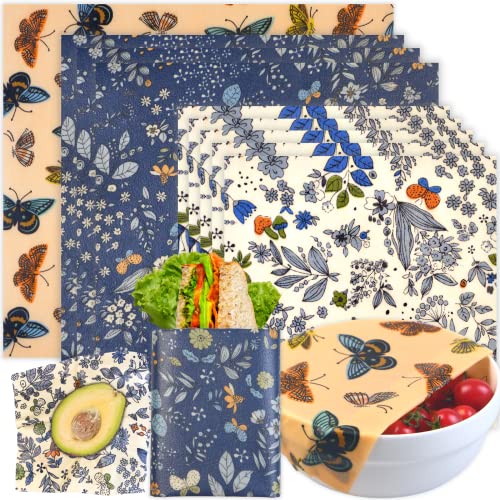
For those who prefer a natural approach, Bee’s Wrap uses organic cotton infused with beeswax, jojoba oil, and tree resin. These are excellent for wrapping blocks of cheese, half an avocado, or covering bowls of leftovers.
The warmth of your hands creates a seal that holds its shape as it cools. This makes them incredibly flexible for odd-shaped items that wouldn’t fit into a standard square bag, providing a custom fit for whatever you need to store.
It is important to remember that these cannot be washed in hot water, as it will melt the wax coating. They require a bit more "gentle care" than silicone options, making them best for households that are willing to trade some convenience for a fully compostable, plastic-free solution.
Glad Reusable Storage Bags for Budget Conscious Use

If you are looking for a bridge between single-use plastic and high-end silicone, Glad’s reusable line offers a familiar experience at a lower price point. These are typically made from a thicker, more durable PEVA material that feels sturdier than a standard baggie but remains flexible.
They are a great choice if you are worried about losing expensive silicone bags at school or work. Because they are more affordable, the "loss factor" is significantly lower, allowing you to use them in high-traffic areas without constant anxiety.
The main downside is that they generally have a shorter lifespan than platinum silicone. Over time, the zippers may lose their grip or the material may become cloudy, so consider these a mid-term solution rather than a "buy it for life" product.
FoodSaver Vacuum Seal Bags for Extended Freshness

When you buy meat in bulk or want to preserve garden harvests, standard reusable bags often don’t provide the air-tight seal necessary to prevent freezer burn. FoodSaver bags are designed for vacuum sealing, which removes oxygen and keeps food fresh for months rather than weeks.
For homeowners with a chest freezer or a large family, these bags are essential for managing inventory. By vacuum sealing your portions, you can organize your freezer more efficiently and ensure that you aren’t wasting money on spoiled food.
Keep in mind that these require a vacuum sealer machine, which is an additional piece of equipment to store. If you only have a small kitchen, weigh the value of the extra storage space against the footprint of the sealer itself.
How to Properly Clean and Sanitize Silicone Bags
Cleaning reusable bags is often the biggest hurdle for new users. To keep them fresh, rinse them immediately after use and use a bottle brush to reach the bottom corners. If you are washing them by hand, a drop of mild dish soap and warm water is usually sufficient.
Many silicone bags are dishwasher safe, but they often get flipped inside out or end up at the bottom of the rack. To fix this, use a drying rack or a heavy glass to hold the bag open so the water can circulate effectively during the wash cycle.
If your bags start to hold onto odors, don’t throw them away. A simple soak in a mixture of baking soda and warm water for an hour is usually enough to neutralize any lingering scents from pungent foods like onions or garlic.
Material Guide: Silicone vs. PEVA Storage Options
Choosing between silicone and PEVA (polyethylene vinyl acetate) comes down to how you plan to use them. Silicone is heat-stable, durable, and generally considered the gold standard for long-term versatility, making it perfect for cooking, freezing, and heavy-duty storage.
PEVA is a thinner, lighter plastic-like material that is often much cheaper and easier to fold or roll up. It is excellent for dry goods, snacks, and short-term storage, but it generally cannot withstand high temperatures or the microwave.
If you are just starting out, mix and match your collection. Use high-quality silicone for your most frequent, high-heat tasks and keep a few affordable PEVA bags on hand for the kids’ snacks or organizing your craft drawer.
Best Practices for Organizing Your Kitchen Drawers
The biggest mistake people make with reusable bags is shoving them into a drawer where they become a tangled mess. Use a tension rod or a dedicated bamboo organizer to keep your bags upright and sorted by size, just like you would with files in a cabinet.
If your drawer space is non-existent, consider using a magnetic hook on the side of your fridge or a command hook inside a cabinet door. Keeping them visible and accessible is the secret to actually using them instead of reaching for a plastic baggie out of habit.
Always store your bags with the zippers slightly open if they are completely dry, or ensure they are fully aired out before sealing them away. Proper airflow prevents moisture buildup and keeps your storage system ready for the next meal.
Building a collection of reusable storage bags doesn’t have to happen overnight. Start by swapping out the bags you use most frequently and see which materials suit your specific cooking style and storage constraints. With a little bit of care and the right organizational habits, you’ll find that these simple tools make your daily kitchen routine much smoother and more sustainable.

