

7 Best Manual Post Hole Diggers for Tough Soil
Tackling stubborn ground? We review the 7 best manual post hole diggers designed for tough soil, focusing on durability, leverage, and ease of use for any job.
Digging a post hole in stubborn, rocky, or clay-heavy soil is often the most grueling part of any backyard fencing or landscaping project. Choosing the right manual tool can turn a back-breaking ordeal into a manageable afternoon task. This guide will help you navigate the best options to ensure you get the job done without unnecessary strain.
Seymour Structron Post Hole Digger: Best Overall


If you are a homeowner who values reliability over flashy features, the Seymour Structron is the gold standard. It features a heavy-duty fiberglass handle that balances weight and strength, making it ideal for those who don’t want to worry about wood handles snapping or rotting over time.
Its design is straightforward, focusing on a high-carbon steel head that bites deep into the earth. Because the tool is well-balanced, it reduces the vibration felt in your arms during repetitive plunging motions, which is a major plus for anyone prone to fatigue.
While it carries a slightly higher price tag than entry-level models, the durability makes it a smart investment for long-term property maintenance. For the average homeowner, this is the "buy it once" tool that will likely outlive your current fence.
Ames Dual-Lever Post Hole Digger: Best Leverage

For those dealing with compacted clay or dense, dry soil, the Ames Dual-Lever model is a game-changer. The unique linkage system multiplies your downward force, allowing you to penetrate ground that would otherwise require a pickaxe to break up.
The leverage mechanism is specifically designed to minimize the effort required to pry heavy scoops of dirt out of a deep hole. If you have limited physical strength or are working on a larger project like a deck installation, this tool significantly reduces the strain on your lower back.
However, the added moving parts mean it is slightly heavier and bulkier to store in a small shed or garage. If you have the storage space, the mechanical advantage provided by this digger is well worth the extra footprint.
Fiskars Steel Post Hole Digger: Best Ergonomics
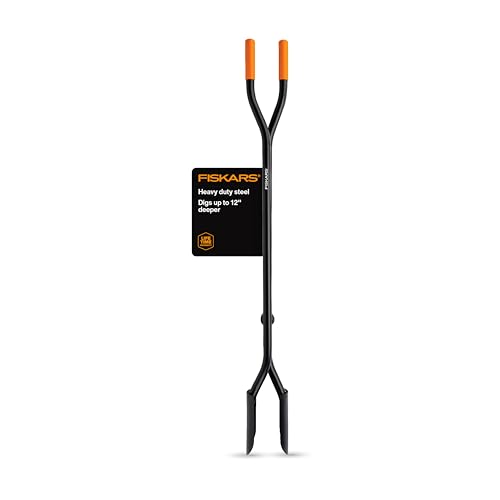
Fiskars is well-known for their user-centric design, and this steel digger is no exception. The handles are shaped to prevent hand cramping, and the overall geometry of the tool is optimized for a more natural, upright posture while you work.
This is an excellent choice for smaller homeowners or those who find traditional wooden-handled tools too cumbersome. The steel construction is incredibly robust, yet it manages to feel lighter in the hands than many of its competitors.
While the shorter handle length might limit the depth of your holes compared to industrial models, it is perfectly suited for standard fence posts or mailbox installation. Its compact profile also makes it much easier to hang on a wall hook in a crowded garage.
Razor-Back Industrial Digger: Best Heavy-Duty

When you are facing rocky, unforgiving terrain, the Razor-Back Industrial Digger is the tool you want in your hands. It features a reinforced steel head and thick, high-strength handles designed to withstand the abuse of prying out buried stones and roots.
This is a professional-grade implement, meaning it is heavier and more imposing than a standard residential tool. It is built for the homeowner who isn’t afraid of a little sweat and needs a tool that won’t bend or warp when hitting subterranean debris.
The trade-off here is weight; it is not the most comfortable tool for long sessions if you aren’t accustomed to heavy manual labor. If your soil is notoriously difficult, however, its sheer durability is unmatched.
Bully Tools 92350 Digger: Best American Made

Bully Tools is a favorite for those who prioritize domestic manufacturing and high-quality steel construction. The 92350 model features an extra-thick steel gauge that prevents the heads from spreading apart when you are prying against tight, heavy soil.
The fiberglass handles are reinforced with a wooden core, providing the perfect blend of flexibility and rigidity. This construction prevents the "splintering" effect of older wooden handles while maintaining a solid, premium feel.
Because it is built to such a high standard, it is a heavier tool that requires a bit more effort to maneuver. For the homeowner who wants a reliable, American-made product that stands behind its craftsmanship, this is a top-tier selection.
Spear Head Spade Post Digger: Best for Roots
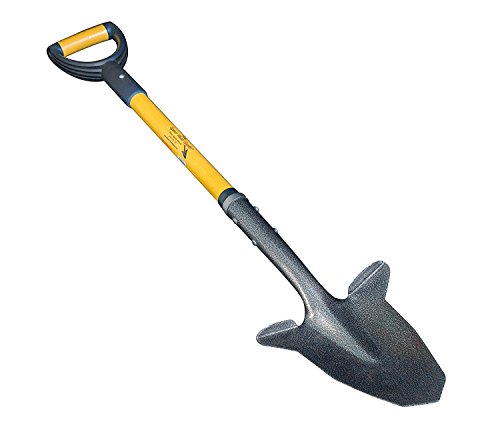
If your digging site is plagued by thick tree roots or stubborn vegetation, the Spear Head Spade design is your best ally. Unlike traditional flat-bladed diggers, this tool features a tapered, sharpened point that slices through obstacles rather than just pushing against them.
This design is particularly effective for homeowners landscaping in wooded areas or near established gardens. It acts as both a digger and a root-cutter, saving you from having to switch between a shovel, an axe, and a post hole digger.
The unique shape does require a bit of practice to master, especially when lifting loose soil out of the hole. Once you get the technique down, you will find it saves you significant time in dense, root-filled environments.
True Temper Post Hole Digger: Best Value Pick
If you only need to install a few posts for a small garden project or a minor repair, you don’t necessarily need an industrial-grade tool. The True Temper digger offers a reliable, no-frills experience at a price point that is accessible for any budget.
It features standard hardwood handles and a functional steel head that gets the job done without unnecessary bells and whistles. It is an honest tool that performs exactly as expected for light-to-medium duty tasks.
While it may not stand up to years of professional use or extremely rocky soil, it is perfect for the occasional DIYer. It is easy to store, lightweight, and serves its purpose without breaking the bank.
How to Choose the Right Digger for Your Soil
- Sandy or Loose Soil: A standard, lightweight model with a simple blade design is sufficient and easier to handle.
- Compacted Clay: Look for models with leverage-enhancing mechanisms or heavy-duty steel heads to penetrate the surface.
- Rocky or Root-Filled Soil: Prioritize tools with pointed tips or sharpened edges that can slice through obstructions.
- Storage Constraints: If you have limited space, look for models with shorter handles or those that can be disassembled.
Essential Maintenance Tips for Long-Term Use
After every use, take a moment to scrape off caked-on mud and debris to prevent rust from forming on the steel heads. If your tool has wooden handles, periodically rub them with linseed oil to keep the wood from drying out and cracking.
For fiberglass handles, keep them out of direct, prolonged sunlight when not in use to prevent UV degradation. Tighten any bolts or fasteners regularly, as the vibration from digging can cause them to loosen over time.
Finally, keep the cutting edges sharp with a metal file. A dull blade requires significantly more physical effort to drive into the ground, increasing both your fatigue and the risk of damaging the handle.
Safety Best Practices for Digging Deep Holes
Always check for underground utility lines before you start digging, as even a small hole can strike a gas or electrical line. Wear sturdy work gloves and steel-toed boots to protect your hands and feet from pinch points and falling debris.
When digging, maintain a wide stance to keep your balance and avoid over-extending your back. If the hole is deep, take frequent breaks to stretch your muscles and stay hydrated, especially in warm weather.
Never try to pry out an object that is clearly stuck beyond your strength, as this is how handles snap and injuries occur. Use a digging bar to break up the obstacle first, then return to your post hole digger to remove the loose material.
Selecting the right post hole digger is about balancing the difficulty of your terrain with your own physical comfort and storage needs. By focusing on quality construction and matching the tool’s features to your specific soil type, you can tackle your next project with confidence. Remember that a well-maintained tool is a long-term partner in your home improvement journey.
