7 Best Zucchini and Squash Storage Bags for Freshness
Keep your zucchini and squash crisp longer. We review the 7 best storage bags designed to regulate humidity and prevent premature spoilage for garden produce.
We have all experienced the frustration of reaching into the crisper drawer, only to find a zucchini that has turned into an unappealing, mushy mess. Keeping summer squash crisp and firm requires more than just tossing them into the fridge; it demands a strategy for managing humidity and airflow. These seven storage solutions offer practical ways to extend the life of your produce and reduce food waste in your kitchen.
Debbie Meyer GreenBags for Maximum Freshness


If you find yourself buying produce in bulk at the farmer’s market, these bags are a classic, budget-friendly staple. They are designed to absorb ethylene gas, which is the natural byproduct that causes squash to ripen and decay prematurely.
These bags are incredibly lightweight and take up virtually zero space in a crowded apartment fridge. Because they are semi-transparent, you can easily see what’s inside without rummaging through your drawers.
However, they are essentially a semi-disposable solution. While the manufacturer claims they can be reused several times, they eventually lose their effectiveness and can tear if you aren’t careful.
OXO Good Grips GreenSaver Produce Keeper
Keep produce fresh longer with the OXO Good Grips GreenSaver. Its activated carbon filter absorbs ethylene gas, while the elevated basket and adjustable vent promote airflow and optimal humidity. The removable basket doubles as a colander.
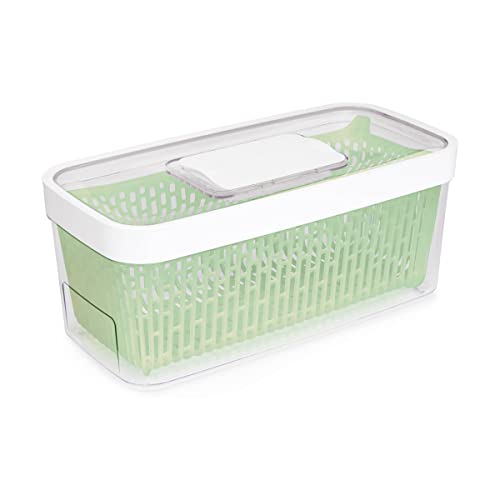
For those who prefer a "set it and forget it" approach, this hard-shell container is a game changer. It features a carbon filter that traps ethylene gas and a removable basket that lifts the zucchini away from the bottom of the container.
This elevation is crucial because it promotes airflow around the entire vegetable, preventing the dreaded "wet bottom" syndrome. It is perfect for homeowners with larger fridges who have the shelf space to accommodate a structured container.
Keep in mind that these units are bulky. If you are living in a studio or have a shared fridge with limited room, the footprint of this keeper might be more of a hindrance than a help.
Bluapple Produce Freshness Storage Bags

Bluapple takes the science of ethylene absorption and puts it into a convenient, user-friendly format. Their bags are specifically engineered to maintain the ideal environment for high-water-content vegetables like zucchini.
These are an excellent middle-ground option for families who want better performance than a standard plastic grocery bag but don’t want the rigid bulk of a plastic container. They are flexible enough to tuck into awkward gaps in your crisper drawer.
Since these bags are designed to be reused, make sure you wash and dry them thoroughly between uses. Storing a damp bag can actually accelerate mold growth, which defeats the entire purpose.
Eparé Reusable Silicone Food Storage Bags

If you are trying to move away from single-use plastics, these silicone bags offer a durable, long-term alternative. They are thick, heat-resistant, and feature a secure seal that keeps your zucchini protected from the drying air of the fridge.
The main advantage here is longevity; one set can last for years with proper care. They are ideal for households that prioritize sustainability and have the budget to invest in high-quality kitchen gear upfront.
The trade-off is the seal. Because they create an airtight environment, you must be careful not to trap excess moisture inside, as summer squash needs a bit of "breathing" room to stay crisp.
Stasher Platinum Silicone Food Grade Bags

Stasher bags have become a household name for a reason: they are incredibly versatile and virtually indestructible. For zucchini storage, the "stand-up" variety is particularly useful because it allows you to store your squash vertically.
This saves a significant amount of horizontal shelf space, which is a major win for anyone dealing with a cramped kitchen. They are also dishwasher safe, making the cleanup process quick and painless.
While they are a higher-cost investment, their versatility means they can pull double duty for freezing leftovers or packing lunches. Just remember to leave the seal slightly cracked if you notice condensation building up inside.
Prepworks by Progressive Produce Keeper

This product is designed with a unique venting system that allows you to adjust airflow based on what you are storing. For zucchini and squash, you can set the vent to the "low" or "closed" position depending on the humidity levels in your specific fridge.
The interior grid is excellent for keeping produce elevated above any moisture that may collect at the bottom. It feels like a professional-grade tool that brings a bit of order to a chaotic crisper drawer.
The downside is the complexity of the parts. You have a lid, a vent, and a basket to keep track of, which can be annoying if you are prone to losing small kitchen components.
Vejibag Organic Cotton Vegetable Keeper
If you prefer natural materials over plastic, the Vejibag is a unique, eco-conscious choice. It works by creating a humid environment that mimics the earth, keeping your squash hydrated without letting it get soggy.
To use it, you simply dampen the bag, wring it out, and place your produce inside. It is a fantastic solution for those who want to avoid synthetic chemicals and plastics in their food storage.
Because it is made of fabric, it does require a bit more maintenance. You will need to launder it regularly to prevent bacteria buildup, so it is best suited for those who don’t mind a little extra laundry in their routine.
Why Breathability Matters for Summer Squash
Zucchini and yellow squash are roughly 95% water, which makes them highly sensitive to their environment. If you seal them in an airtight plastic bag, moisture gets trapped, leading to mold and slimy skin within days.
Conversely, if you leave them completely exposed, the cold, dry air of your refrigerator will dehydrate them, causing the skin to shrivel and the flesh to lose its snap. The goal is to find a "Goldilocks" level of breathability.
- Avoid: Tying bags shut tightly.
- Encourage: Using bags with small ventilation holes or keeping the seal slightly open.
- Monitor: Check for condensation on the inside of the bag; if you see large droplets, it’s time to vent.
Tips for Proper Zucchini Moisture Control
Regardless of which storage bag you choose, the preparation you do before storage is just as important as the container itself. Never wash your zucchini until you are ready to use it, as adding water before storage is a recipe for rapid decay.
If you bring home squash that is slightly damp from the grocery store misting system, pat it dry with a paper towel first. Excess surface moisture is the primary enemy of long-term freshness.
- Store separately: Keep your squash away from ethylene-producing fruits like apples or tomatoes, which will cause the zucchini to ripen and spoil much faster.
- Check the ends: If the stem end starts to look soft, use that squash first.
- Don’t crowd: Ensure there is enough space in the bag for air to circulate between the vegetables.
How to Organize Your Fridge for Produce
Your crisper drawer is not just a catch-all bin; it is a specialized environment. Most modern refrigerators have adjustable humidity sliders, and for summer squash, you want to set this to "low humidity" to prevent rot.
If your fridge doesn’t have a crisper drawer, store your produce on the middle or lower shelves. These areas tend to have the most consistent temperature and are furthest away from the door, where temperatures fluctuate every time you grab a drink.
- First In, First Out: Place newer produce behind the older items so you are naturally prompted to use the older squash first.
- Clear the clutter: Don’t let old, forgotten veggies sit at the bottom of the drawer, as they can spread mold spores to your fresh produce.
- Visibility is key: Use transparent bags or labeled containers so you don’t forget what you have in stock.
Investing in the right storage solution is a small step that pays off in less food waste and better-tasting meals. Whether you prefer the simplicity of a cotton bag or the high-tech features of a produce keeper, the key is managing moisture and airflow effectively. Choose the option that fits your current kitchen space and lifestyle, and you will find your produce stays fresh much longer.